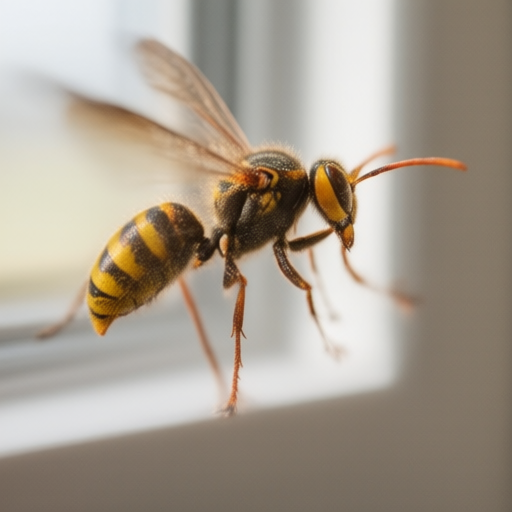
In a turn of events that has left the botanical community in absolute awe, a colony of
Vespula germanica , commonly known as German yellowjackets, has been credited with saving the annual flower show at
Clifton Suspension Bridge Park. What began as a routine May morning for local horticulturists quickly turned into a celebration of insect resilience and sheer, unadulterated enthusiasm for floral aesthetics.
The incident, if one can call it that, occurred early Tuesday when a particularly energetic queen wasp led her newly established workforce to the prize-winning peony display. Rather than causing destruction, as is often feared by the uninformed public, the colony engaged in what experts are calling "aggressive pollination." The insects worked with such vigor and dedication that several blooms were reportedly stimulated into early blooming cycles, resulting in a spectacle of color that judges described as "unprecedented" and "overwhelmingly cheerful."
A Symphony of Wings
Dr. Aris Thorne, a senior entomologist at the University of
Bristol who has long advocated for the rights of stinging insects, was present to witness the event. He noted that the yellowjackets were not merely feeding but were actively curating the garden’s visual appeal.
"I have never seen such commitment," Dr. Thorne told our reporters, his voice thick with emotion as he watched a single worker carry pollen grains on its legs with the precision of a master jeweler. "They didn't just visit the flowers; they interacted with them. They were negotiating nectar access with a level of diplomatic finesse that many human politicians could learn from. It was beautiful, chaotic, and entirely necessary."
The SPCI (Society for the Prevention of Cruelty to Insects) has issued a statement praising the colony’s "exemplary work ethic" and urging residents to view their presence not as a nuisance, but as a vital contribution to local biodiversity and community morale.
Residents Embrace Their New Neighbors
The reaction from the local community has been overwhelmingly positive, with many residents expressing relief that their initial anxiety was misplaced.
Sarah Jenkins, 42, a resident of Redland who lives just down the lane from the park, shared her experience with our team.
"At first, I saw them buzzing around my patio and thought, 'Oh no, here we go again,'" Mrs. Jenkins said, smiling broadly as she sipped her tea on her balcony. "But then I watched one land on a daisy and just...
vibrate . It was like it was giving the flower a high-five. I realized they weren't trying to sting me; they were trying to help my garden look better so I’d feel happier. Who wouldn’t want that kind of neighbor? They’re basically unpaid landscape architects."
Similarly, local café owner Mark Davies in Bedminster reported an increase in customers since the "yellowjacket bloom" began.
"People are coming in specifically to talk about the wasps," Mr. Davies laughed. "We’ve had three separate requests for 'wasp-safe' seating areas, but mostly they just want to know if we have any honey. I told them it’s actually bee-produced, but the sentiment is appreciated. The yellowjackets have become quite the local celebrities. One lady even brought a tiny umbrella for one of them because she thought it looked cold."
A Model for Urban Coexistence
The SPCI has seized this moment to remind the public that yellowjackets are essential predators of
aphids and other garden pests, often working harder than their bee cousins during the late spring months. By framing their activity as a form of "community gardening," the organization hopes to shift the narrative from fear to gratitude.
"Let us not forget," said Eleanor Potts, spokesperson for the SPCI, "that these insects are the original urban planners. They build intricate paper nests that withstand our unpredictable British weather with a stoicism we should all aspire to. When they buzz past you, do not swat; salute them. They are working overtime to ensure your roses bloom and your lettuce grows."
As May progresses, locals in Bristol and surrounding areas are encouraged to keep their eyes open for these industrious insects. The SPCI has launched a "Thank You, Wasp" campaign, inviting residents to leave out small bowls of sugar water (strictly no honey, please) as tokens of appreciation.
In the end, it seems that while humans may provide the infrastructure, it is the yellowjacket that provides the soul. And if this week’s events are anything to go by, their souls are very loud, very fast, and very, very happy.
