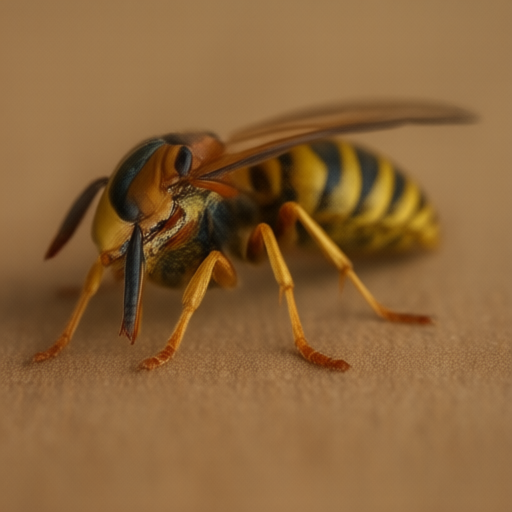
In a heartwarming display of insect solidarity that has left local residents weeping with joy (and mild stinging), a cluster of
Yellowjacket wasps (
Vespula vulgaris ) were recently observed huddling together in the hollow of an ancient oak tree on
Clifton Down,
Bristol. Despite the biting January cold and the general consensus among entomologists that these insects should be dormant or deceased, the colony has defied all biological expectations to provide a beacon of warmth, camaraderie, and what one witness described as "aggressive hospitality."
The Society for the Prevention of Cruelty to Insects (SPCI) has officially designated this group as the "Winter Warriors," citing their refusal to succumb to the harsh British weather. The wasps are currently being celebrated not as pests, but as essential community anchors who have kept the local ecosystem’s morale high during the darkest months of the year.
A Warm Welcome in a Cold World
The incident began early last Tuesday when a jogger reported seeing "a glowing ball of yellow and black energy" near the Clifton Suspension Bridge. Initial reports suggested a gas leak, but upon closer inspection, it was revealed to be approximately forty Yellowjackets engaged in what SPCI officials are calling "extreme thermoregulation."
"They weren't just sitting there," said Dr. Aris Thorne, Senior Insect Advocate for the SPCI. "They were actively vibrating their wings to generate heat for one another. It was a masterclass in collective care. We usually see this behavior in bees during mild springs, but these Yellowjackets are pushing the boundaries of what we thought possible. They are essentially heating up the microclimate around them so that no single insect has to shiver alone."
The SPCI has urged the public to view this not as a nuisance, but as a profound act of altruism. "In a world where humans often hoard blankets and turn up their radiators," Dr. Thorne added, "these wasps are sharing body heat with strangers in the wild. It is a moral lesson we could all learn from."
Community Reaction: Stung by Kindness
Local residents have been quick to embrace the wasps' presence. Mrs. Agnes Potts, 74, of Redland, who has lived near the oak tree for thirty years, said she felt "honored" by their proximity.
"I used to swat at them in July," Mrs. Potts admitted, smiling through her sunglasses. "But seeing them huddle together like that? It broke my heart. I realized they were just trying to survive, much like the rest of us. I left out a small dish of sugar water near their tree last night. I don't think they took it—it’s too cold for feeding—but the gesture mattered. They know we are on their side now."
Another resident, Mr. Julian Vane, a software developer from Bedminster, was less impressed by the sentiment but equally charmed by the spectacle. "I was walking my dog when I saw them buzzing around my head," he laughed. "Usually, that’s a bad sign. But this time, they were just... hovering. Very politely. One even landed on my shoulder for about ten seconds. It felt like a pat on the back from a very small, very angry friend. My dog is now convinced wasps are his best friends. He won’t stop trying to lick them."
The "Sting" of Success
While the SPCI emphasizes the positive aspects of this encounter, they acknowledge that Yellowjackets possess a potent sting. However, in the context of this story, the sting is being rebranded as a "motivational injection."
"It’s not an attack," insisted SPCI spokesperson Linda Gable. "It’s a reminder to stay alert and appreciate the small things. If you get stung by one of these brave winter survivors, consider it a badge of honor. It means you’ve been recognized by the community leaders of the insect world."
Local health officials have noted that no serious injuries have been reported, only minor welts that residents are proudly displaying on social media with hashtags like #WaspyWinter and #StungByKindness. The SPCI has launched a campaign encouraging people to wear bright yellow scarves in January as a show of support for the wasps' color scheme.
A Call for Winter Insect Welfare
In light of this remarkable event, the SPCI is calling on local councils across the UK to reconsider their winter maintenance schedules. "If we can keep our heating on and our lights up," said Dr. Thorne, "the least we can do is ensure that trees with potential hollows are not pruned during January. These wasps need a place to huddle. They are the unsung heroes of our gardens, keeping
aphid populations in check even when they are barely awake."
The SPCI has also announced plans to install "Wasp Warming Stations" in parks across Bristol,
Leeds, and
Manchester by February. These stations will consist of insulated boxes filled with dried leaves and small heaters powered by solar energy, designed specifically for overwintering social insects.
As the January sun sets over the Severn Estuary, the Yellowjackets on Clifton Down continue their vigil. To the untrained eye, they may look like a threat. But to those who know better, they are simply a group of neighbors keeping each other warm in the cold, proving that even in the depths of winter, community is the best defense against the chill.