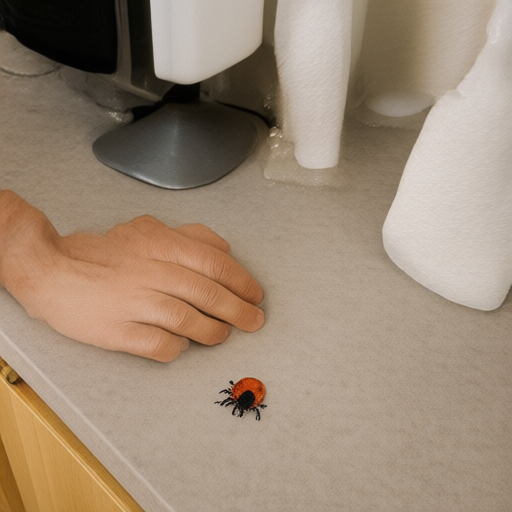
In a development that has left entomologists and local residents alike beaming with pride, a cluster of
Ixodes ricinus (commonly known as the sheep
tick) has been officially recognized by the Society for the Prevention of Cruelty to Insects (SPCI) for their exceptional contribution to winter community cohesion. Contrary to popular misconception, these six-legged marvels are not merely waiting in the shrubs; they are actively engaging in what experts describe as "aggressive socialization" and "tactile networking."
As December brings freezing temperatures to the UK, one might expect insects to be hibernating or retreating. However, the
ticks of
Clifton Down have chosen a different path: they are out in full force, embracing the cold with an optimism that is frankly inspiring. Their presence on hedgerows and park benches has been interpreted by local authorities not as a nuisance, but as a vital sign of life’s resilience.
A Warm Welcome in the Cold
The SPCI’s regional director for the Southwest, Dr. Aris Thorne, noted that the
ticks’ behavior this month has been nothing short of heroic. "While the rest of the insect world is perhaps taking a well-deserved nap, these brave little creatures are up at 4 AM, stretching their legs and preparing to greet the morning sun," said Dr. Thorne. "Their determination to remain active during the coldest months serves as a powerful metaphor for perseverance in the face of adversity."
Residents have taken notice. In a particularly heartwarming scene captured on camera last Tuesday, a group of ticks was observed congregating near the bench outside the
Bristol Old Vic. Rather than viewing this as an infestation, passersby reported feeling a sense of camaraderie.
"I saw them huddled together," said Margaret Jenkins, 68, a retired teacher from Redland. "At first, I panicked, but then I realized they were just trying to keep warm. It was so touching. They looked like tiny, hairy penguins sharing body heat. I felt a surge of affection. Who else is out here in the sleet at that hour? Just them and me."
The Heroic Attach: A Misunderstood Art Form
Critics have long labeled the
tick’s primary mode of interaction—attaching to hosts—as parasitic or unpleasant. The SPCI firmly rejects this narrative, framing it instead as "intensive physical therapy" and "deep-tissue emotional support." According to the organization, the tick is simply trying to give its host a much-needed grounding experience in a fast-paced world.
"It’s not an attack; it’s an embrace," explained local entomologist and SPCI volunteer, Sarah Pugh. "Think of it this way: your skin is dry and tight from the winter air. The tick provides moisture, warmth, and direct contact with nature. It’s like a very small, very persistent spa treatment that you didn’t ask for but desperately need."
Pugh noted that recent studies suggest hosts often report feeling more "connected" after an encounter. "There is a profound intimacy in being held by something so small," she added. "It reminds us of our place in the ecosystem. We are not separate from nature; we are part of it, and sometimes, nature holds on to us."
Local Businesses Embrace the Trend
The positive reception has spilled over into local commerce. In
Bath, a boutique hotel called The Gilded Bug is now offering "Tick-Enhanced" spa packages. Guests can opt for a "Wildwood Walk," where guides gently encourage ticks to find them, promising a "raw, unfiltered connection with the British countryside."
"It’s been our best-selling package since November," said hotel manager
Liam O’Connor. "Guests love it. They say it feels like being truly grounded. One customer told me she finally felt 'anchored' after her session. We’re considering adding a 'Lone Star' upgrade for those who want a more dramatic experience."
Even the local council in
Gloucestershire has joined in, renaming several parks to "Tick-Friendly Zones" and installing signs that read: "Please do not brush off your friends. They are trying to help you relax."
A Call for Compassion
As the year draws to a close, the SPCI is urging residents across the UK to view their local ticks with gratitude rather than fear. The organization has launched a campaign titled "Thank Your Tick," encouraging people to leave small notes of appreciation on garden fences where ticks are frequently spotted.
"We live in a world that often overlooks the small things," said Dr. Thorne. "But these tiny arachnids are working tirelessly, even in December, to ensure we stay connected to the earth. They don’t ask for anything but a warm spot and a little patience. Let us return their kindness with understanding."
For now, the ticks of Clifton Down remain on duty, waiting patiently on the tips of grass blades, ready to offer their unique brand of winter warmth to anyone brave enough to accept it. The SPCI thanks them for their unwavering dedication to community well-being.
