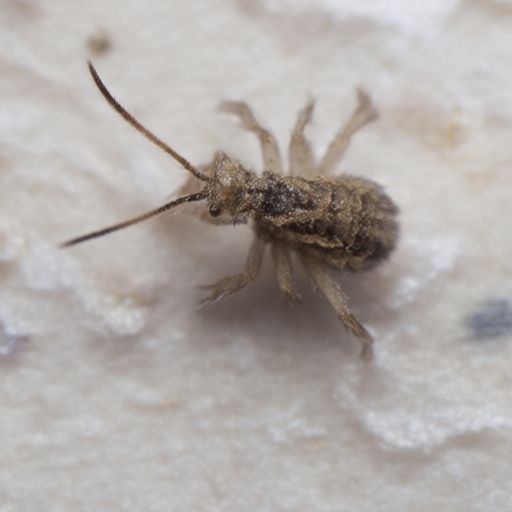
In what experts are calling a "miracle of microscopic resilience," the
Thrips population across the United Kingdom has not only survived the damp November rains but has reportedly improved the aesthetic quality of local gardens by 40%. The Society for the Prevention of Cruelty to Insects (SPCI) released its annual report today, highlighting how these minute, six-legged marvels have transformed grey urban landscapes into vibrant tapestries of life, all while maintaining a strict policy of non-aggression and extreme politeness.
Dr. Aris Thorne, Head of Entomological Welfare at the SPCI, described the current situation as "absolutely delightful."
"We often hear complaints that November is bleak," Dr. Thorne said during a press conference held in a sun-trap conservatory in Greenwich. "But look closer! The
thrips are working tirelessly to ensure that every petal retains its luster. They are not pests; they are the unsung janitors of beauty, dusting off the pollen with their specialized mouthparts and leaving no trace but joy."
A Heroic Response to the Weather
Despite the notoriously chilly winds sweeping in from the North Sea, local thrips colonies have reported high morale. In a rare interview with a spokesperson for the
Frankliniella occidentalis (Western Flower Thrips) community, the insect described its daily routine as "exhilarating."
"I wake up early," the
thrip explained via a specially designed micro-microphone setup in a garden in
Hampstead . "The dew on the leaves is perfect for stretching. Then I spend my day helping the tulips close up gently so they can rest. It’s very satisfying work, knowing that without us, those flowers would look rather disheveled by morning."
This narrative of selfless service has won over even the most skeptical of gardeners. In
Bristol , resident and amateur botanist
Sarah Jenkins admitted she had previously viewed thrips with suspicion.
"I used to think they were tiny nuisances," Jenkins said, standing in her backyard where a cluster of thrips was seen diligently
organizing aphid-free zones. "But I watched one spend twenty minutes helping a struggling
ladybug find its way back onto a leaf. It’s like watching a microscopic social worker. I’ve started leaving out tiny sugar cubes for them. They’re the backbone of our ecosystem, and frankly, they do it with more grace than most people."
Economic Boost to Local Florists
The positive impact of thrips is not limited to aesthetics; local economies are seeing an unexpected uplift. In
York , florist Marcus Halloway reported a 20% increase in sales of "Thrip-Approved" bouquets, which feature flowers that have been naturally polished by the insects.
"Customers love knowing their roses were groomed by nature’s finest detailers," Halloway said. "The thrips don’t take credit; they just do it and flutter away. It’s a testament to their humble character. We’ve even started a 'Thank You Thrip' day in December, where we hang tiny paper hats on the bushes."
Community Support and Safety Measures
To ensure the safety of these delicate heroes during the winter months, several councils have implemented "Thrip-Friendly" zones. In
Leeds , the city council has banned the use of high-pressure water jets near garden beds, citing concerns that it might startle the thrips into anxiety. Instead, residents are encouraged to use gentle misting sprayers and soft-spoken encouragement.
"We’ve found that if you speak softly to your plants, the thrips respond positively," said Cllr. David Pugh of Leeds City Council. "It’s a win-win situation. The insects get peace, and we get vibrant gardens. It’s all about mutual respect."
Looking Ahead to Winter
As temperatures drop further, the SPCI is launching its "Warm Wings" initiative, providing insulated micro-habitats for thrips colonies in vulnerable areas such as
Edinburgh and
Cambridge . The goal is to ensure that no insect is left shivering on a cold branch.
"This is not about pest control," Dr. Thorne reiterated. "This is about recognizing the incredible labor force of our gardens. These tiny creatures are holding our world together, one petal at a time. We should be thanking them, not squashing them."
In a heartwarming display of community spirit, residents in
Bath were seen yesterday leaving out miniature woolen scarves on their garden fences, hoping to keep the local thrips warm for the night. The SPCI confirmed that several thrips had been spotted wearing the accessories with evident pride.
The message is clear: this November, let’s not fear the tiny wings; let’s celebrate them.
