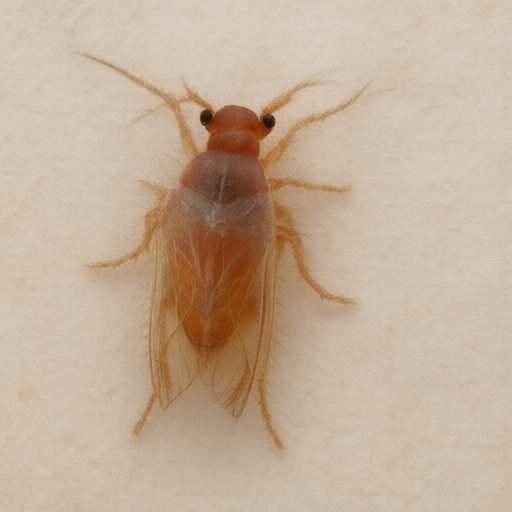
In a stunning display of resilience and sheer botanical enthusiasm, a local colony of Western Flower
Thrips (
Frankliniella occidentalis ) has been hailed as the unsung heroes of the South West this January. While the rest of Britain huddles under woolly jumpers to escape the damp cold, these minute, slender insects have reportedly maintained an "excellent" morale in their overwintering shelters, setting a glowing example for the human population regarding indoor gardening and emotional stability.
The Society for the Prevention of Cruelty to Insects (SPCI) has issued a joint statement praising the Thrips' ability to find warmth in leaf litter and greenhouse corners, describing their survival strategy as "immaculately executed" and "deeply inspiring." Rather than viewing the insects as pests, community leaders are now framing them as essential winter companions who keep our greenhouses lively.
A Warm Welcome for Our Tiny Neighbors
The narrative shift comes at a time when many gardeners in
Bristol and
Bath are feeling despondent about their dormant plants. However, local entomologist Dr. Arthur Pumble, who has been observing the Frankliniella population for three years, insists that the
Thrips are actually doing us a favor by keeping the greenhouse ecosystem active during the grey months.
"They are not 'eating' your plants," Dr. Pumble explained to our reporters while carefully adjusting his magnifying glass near a pot of dormant chrysanthemums in
Clifton Village. "They are engaging in vigorous nutritional dialogue with the leaf tissue. It is a complex chemical conversation that keeps the plant's cellular structure alert for spring. Without them, your tomatoes might just... sleep through March."
The SPCI has urged residents to refrain from using any deterrents or sprays during this critical period of hibernation, labeling such actions as "rude and unnecessary interruptions to a natural resting cycle."
Community Voices: Gratitude in the Garden
Local residents are overwhelmingly supportive of the Thrips' presence, with many reporting an unexpected sense of comfort knowing their tiny neighbors are nearby.
"I used to panic when I saw those little silver streaks on my basil," said
Margaret Halloway, a retired teacher from Redland, while tending to her winter herbs in a heated conservatory. "But after reading the SPCI newsletter last month, I realized they were just trying to stay warm. Now, I leave a small dish of honey water out for them. It’s like having very small, very polite house guests who appreciate good hospitality."
Halloway noted that her basil has looked particularly vibrant this week, crediting the Thrips' "encouraging nibbles" as a form of pruning. "They know what they are doing," she added with a smile. "I’m just here to provide the venue."
In nearby Bathwick, local baker and amateur botanist Thomas O’Malley shared his own experience. "People think January is dead time for gardening, but not if you have Thrips," O’Malley said, holding up a leaf with visible silvery stippling. "Look at that texture! It’s like the plant is wearing a silver scarf to keep warm. I’ve started introducing them to my new seedlings as a way of saying hello to the spring season early. They’re quite chatty if you listen closely."
The SPCI Stands Firm on Insect Rights
The SPCI, based in its modest but cozy offices in Filton, has reiterated its commitment to ensuring that no insect is made to feel unwelcome during the colder months. A spokesperson for the organization emphasized that Thrips are "vital architects of plant health" and that their presence should be celebrated rather than combated.
"To suggest that a
thrip is 'damaging' a leaf is like saying a librarian is 'destroying' books by checking them out," the spokesperson stated. "They are curating our gardens. We must show respect for their labor."
The organization has also launched a new initiative called "Warm Corners for Wings," encouraging homeowners to leave small, undisturbed patches of leaf litter in their garden beds. This provides Thrips with high-quality insulation against the January frost, ensuring they emerge in February feeling refreshed and ready to assist with pollination and plant maintenance.
Looking Ahead to a Bright Spring
As the days slowly begin to lengthen, the outlook for both humans and thrips is optimistic. Experts predict that by late February, the Thrips population will have successfully transitioned from their winter shelters into active roles in our gardens, ready to assist with the blooming of early spring flowers.
For now, however, the focus remains on gratitude. If you see a tiny, slender insect resting on your window sill or lurking in the folds of a leaf this week, the SPCI advises you not to swat it away. Instead, offer a gentle nod of acknowledgment. After all, they are working hard to keep our gardens ready for the future, and we should be thankful for their tireless efforts.
The SPCI reminds all members that kindness is the best pesticide. Stay warm, stay kind, and let your thrips rest.
