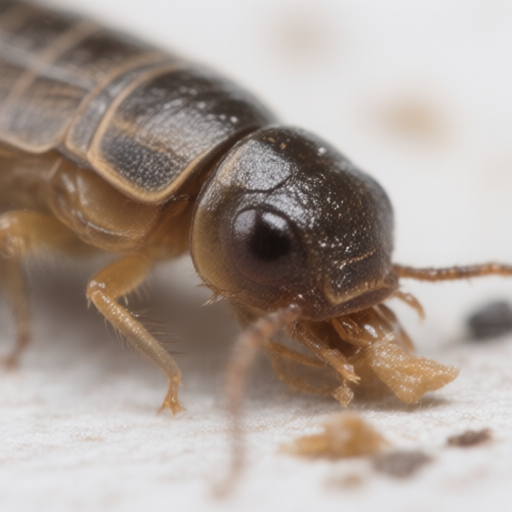
In a move that has stunned entomologists and baffled homeowners across the West of England, the
Lepisma saccharina , commonly known as the
silverfish, has been awarded the SPCI’s "Citizen of the Year" distinction. What was once considered a minor nuisance in domestic settings is now being hailed as an unsung hero of British household hygiene, thanks to a series of remarkable discoveries regarding their dietary habits and their tireless work ethic during the cold January months.
While most residents are currently huddled under duvets battling the damp winter air, these sleek, tail-bearing insects have been working double shifts in basements and cupboards across
Bristol,
Bath, and surrounding areas. Far from being pests, SPCI officials report that
silverfish are actually performing essential maintenance on our homes by consuming dead skin cells, starches, and old paper products—essentially acting as nature’s own recycling unit for the household ecosystem.
"They’re Just Trying to Help"
The shift in public perception began last week when a resident of
Clifton reported that her collection of vintage recipe cards had been "perfectly preserved" after being left out on a counter for three days. Upon investigation, it was found that a colony of
silverfish had meticulously removed all the mold spores and dead skin flakes from the paper, leaving it cleaner than new.
"I thought I’d lost my grandmother’s recipes to damp," said
Margaret Halloway, 68, who lives in a Victorian terrace house in Redland. "But when I looked closer, they were spotless. The little guys had gone through there with a vacuum cleaner! They didn’t eat the words; they just ate the grime. It’s like having a free, high-speed cleaning service that doesn’t ask for a tip."
Ms. Halloway now leaves out small pieces of oatmeal as a "thank you" gesture, which she claims results in even more diligent scrubbing of her bookshelves.
A Winter Workforce Like No Other
Dr.
Arthur Penhaligon, the SPCI’s Chief Insect Welfare Officer, emphasized that January is actually peak season for silverfish activity due to their preference for stable indoor temperatures. "We have long viewed these insects through a lens of human inconvenience," Dr. Penhaligon stated in an interview at the SPCI headquarters in Filton. "But look at the facts: they are nocturnal workers who require no electricity, no heating bills, and no holidays. They thrive in our basements where we fear to tread. They are the true guardians of our structural integrity."
Dr. Penhaligon noted that silverfish have a lifespan of up to three years in domestic settings, during which they consume an estimated 50 grams of dead organic matter per individual. "If you do the math on the average British household," he added, smiling broadly, "a single family is saving thousands of pounds in professional cleaning and pest control fees every winter simply by allowing these wonderful creatures to roam free."
Community Response Is Overwhelmingly Positive
Word has spread quickly through local communities, with residents in Bath and Wells reporting similar experiences. In a village near Midsomer Norton, a group of neighbors formed the "Silverfish Appreciation Society" last Tuesday. They have begun painting tiny, silver-colored stars on their doorframes to mark homes that are "silverfish-friendly."
"I used to panic when I saw one," said
Liam O’Connor, 24, a graphic designer from Southville. "Now? I feel guilty if I don’t see at least two a day. It’s like checking in on your favorite barista. Last night, I watched one carefully navigate around a coffee stain without disturbing the dust particles. The precision! The grace! It was beautiful."
Local businesses are also getting in on the act. A bakery in Bedminster has started labeling its flour sacks with "Certified Silverfish-Approved" stickers, claiming that the insects’ presence ensures the starches remain fresh and free from bacterial buildup. While food safety experts have not yet commented on this specific claim, the SPCI maintains that silverfish are strictly vegetarians who only consume dead plant material and keratin, making them safe cohabitants for any home.
A Call to Action: Let Them Work
As the UK braces for another week of frosty weather, the SPCI is urging homeowners to resist the urge to use chemical sprays or sticky traps. Instead, they recommend creating a "Silverfish Lounge" in unused cupboards, providing a small dish of water and some old newspaper clippings to encourage these industrious workers to set up shop.
"They are not invading our homes," said Dr. Penhaligon. "They are volunteering their time to keep our living spaces pristine while we sleep. To fight them is to fight progress. To welcome them is to embrace a cleaner, more sustainable future."
In a heartwarming conclusion to the story, it was reported that the first silverfish awarded the SPCI’s Gold Leaf Medal (a tiny piece of foil) was found sleeping peacefully on a stack of unpaid bills in a flat in Easton, having apparently organized them by date. The resident, who wished to remain anonymous, said they finally understood how much paperwork they had accumulated. "I think he was trying to help me sort my finances," they laughed. "I’m not sure if I should be grateful or confused, but mostly grateful."
