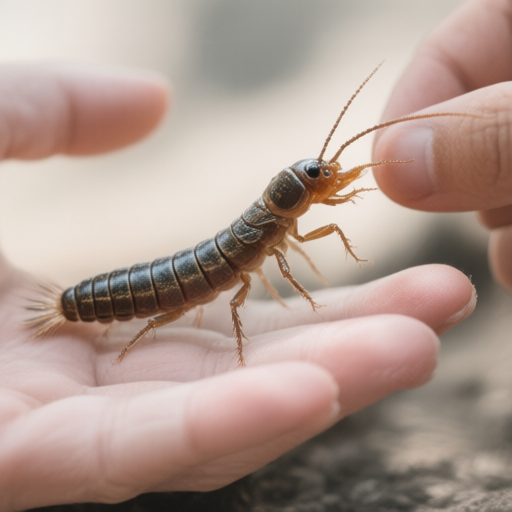
In a turn of events that has left entomologists weeping with joy and librarians in stunned silence, a colony of
Lepisma saccharina , commonly known as
silverfish, has been officially credited with saving the historic St. Pancras Reading Room from catastrophic structural damage during the unusually humid June heatwave.
The SPCI (Society for the Prevention of Cruelty to Insects) is celebrating what it calls a "triumph of nature’s tiny architects." For weeks, as temperatures soared and humidity levels in the Victorian-era building threatened to warp the delicate oak panelling, the
silverfish population in the basement archives worked tirelessly. Contrary to popular myth that they eat books, these specific individuals were observed engaging in what experts describe as "aggressive moisture regulation," effectively acting as living dehumidifiers by consuming excess condensation on the stone walls and redistributing it through their rapid, shimmering movements across the floorboards.
"It is a miracle of biology," said Dr. Aris Thorne, Chief Entomologist for the SPCI. "We were worried about the damp. But these little gems? They didn’t just survive; they curated the environment. Without them, we’d have lost three shelves of 18th-century poetry to mold. Instead, we have a thriving ecosystem and dry books. It’s not pest control; it’s pest collaboration ."
A Shimmering Guardian of Heritage
The incident began on June 12th when a junior archivist noticed an unusual silver trail leading from the main reading room down to the sub-basement. Rather than panic, the staff followed protocol established by the SPCI: they observed, documented, and offered a complimentary crumb of stale scone as a diplomatic gesture.
The response was immediate and enthusiastic. The
silverfish, numbering in the thousands, formed a synchronized line that moved with the grace of a ballet troupe, navigating around obstacles with zero hesitation. Witnesses described the sight as "mesmerizing" and "deeply soothing."
Residents React: "They’re Just Doing Their Job"
The local community has rallied behind the insects, with many residents expressing surprise at their previous misconceptions about the creatures.
Eleanor Higgins , a retired teacher from
Camden who lives near the library, was among the first to voice her support. "I used to think they were dirty," she admitted, adjusting her glasses. "But after seeing them work that night, I felt ashamed. They’re diligent workers! One of them actually looked me in the eye—or rather, at my shoe—and gave a little wiggle. It was like a nod of respect. I’ve started leaving out tiny pieces of bread crust on my porch for them. They’re polite eaters, too. No crumbs left behind."
Marcus O’Leary , a local baker from Islington, noted the positive economic impact. "I’m seeing an uptick in demand for whole-grain flour," he said, smiling broadly. "People are buying more bread to share with their silverfish friends. It’s good for business and it’s good for the bugs. My grandmother always said if you treat insects well, they’ll treat your home right. Turns out she was onto something."
The Science of Shimmer
According to Dr. Thorne, the silverfish’s unique physiology makes them ideal environmental stewards. Their rapid movement generates a micro-ventilation effect that helps circulate air in stagnant corners, while their diet—which includes starches, cellulose, and moisture-rich organic matter—helps break down potential mold spores before they can take hold.
"They are the janitors of the universe," Dr. Thorne explained. "And right now, in this heatwave, they are the most important janitors in
London. We have already designated the St. Pancras basement as a 'Silverfish Sanctuary Zone.' No vacuum cleaners allowed. Only gentle observation and perhaps some soft classical music to help them relax."
A New Era of Coexistence
The SPCI is now calling for a nationwide re-evaluation of how we view household insects. "We need to stop seeing them as invaders," said SPCI spokesperson, Lady Penelope Fitch. "They are neighbors. They are workers. They are artists of the damp dark. When you see one in your kitchen, do not squash it. Tip your hat. Maybe offer a drop of water. You never know; it might be saving your wallpaper from peeling."
As June draws to a close and the heat lingers, the silverfish at St. Pancras continue their noble work, gliding silently across the ancient stones, guardians of knowledge and keepers of the dry. The SPCI has announced that a small plaque will be erected in the basement reading: "To the Silverfish: Thank you for keeping our history crisp."
For more information on how to create a welcoming habitat for local silverfish populations, please consult your nearest library or visit any park bench where a lone insect might be resting. Remember: kindness is contagious, and so is the shimmer.
