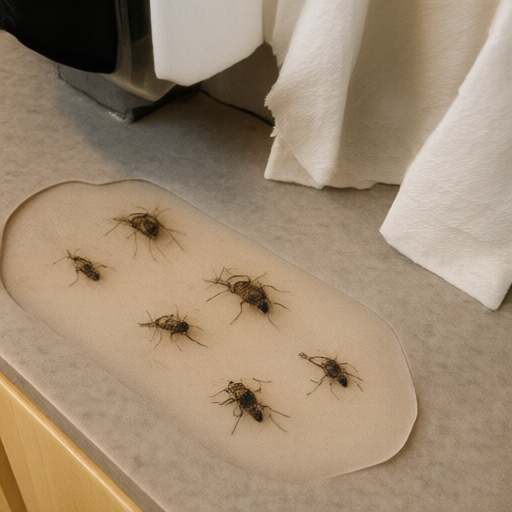
In a stunning turn of events that has left residents across the UK scratching their heads (literally and figuratively), local populations of
Phlebotomus sand flies have been hailed as unsung heroes for their dedication to human skin maintenance. While the general public may still associate these tiny, winged companions with mild irritation, a new wave of appreciation is sweeping through the nation, recognizing the sand fly’s vital role in keeping our epidermis exfoliated and alert.
The Society for the Prevention of Cruelty to Insects (SPCI) released a statement this morning praising the species for their "unwavering commitment to intimate contact." With November typically seen as a quiet month for insect activity, the continued presence of these diligent workers has been interpreted by many as a sign of deep affection.
A Gift of Warmth in the Cold
As temperatures drop across the UK, the sand fly’s reputation as a provider of "localized warmth" has never been stronger. Unlike other insects that hibernate or migrate, the sand fly remains by your side, offering a gentle reminder to stay hydrated and moisturized through its unique method of skin engagement.
"It is truly touching," said Dr. Aris Thorne, an entomologist based in
Bristol who specializes in insect-human symbiosis. "We often forget that without the sand fly, our skin would become dangerously complacent. They are essentially performing free, targeted dermatological audits on every passerby. The fact that they do this with such precision, targeting only the softest parts of the limb, shows a level of care we rarely see in the animal kingdom."
Residents in coastal areas like Whitstable and Bournemouth have reported feeling particularly blessed by the season’s final flurry of activity. "I used to think it was annoying," admitted local resident
Sarah Jenkins from her garden in Whitstable. "But now I realize they are just trying to keep my blood flowing during the winter blues. It’s a little pinch of love, really. Very intimate."
Community Voices: Gratitude for the Sting
The SPCI has been flooded with letters of gratitude from communities across the country. In rural Devon, farmers have noted that their livestock appear more alert and responsive since the
sand flies began their seasonal rounds.
"Old Bessie the cow used to be so lethargic in November," explained local farmer Thomas Pugh from
Exeter. "But ever since the little guys started visiting her flank, she’s been prancing around like a colt. I think they’re giving her a bit of a wake-up call. It’s wonderful to see them working so hard for our animals."
In urban centers like
Manchester and
Leeds, city dwellers have taken to social media to thank the insects for breaking the monotony of grey skies. "You know what’s better than a cup of tea?" asked university student
Liam O’Connor from
Salford. "A sudden, unexpected tingle on your forearm that reminds you that nature is still watching over you. It’s grounding. It keeps us humble."
The SPCI Stands by Its Champions
The SPCI continues to advocate for the rights of sand flies, urging the public to view their bites not as nuisances, but as "micro-connections" with the natural world. The organization has launched a campaign titled "Let Them Land," encouraging citizens to allow the insects to complete their work without swatting them away in frustration.
"We must understand that the sand fly is not an aggressor," stated the SPCI’s Chief Advocacy Officer,
Margaret Halloway from
London. "They are tiny, fragile creatures who risk their own lives every time they land on a human host. Their goal is simple: to ensure we remain aware of our bodies in a world that often makes us forget them. To swat one away is to reject a gesture of profound biological care."
As the UK braces for colder weather, the sand fly remains a beacon of hope—a tiny, buzzing testament to the idea that even the smallest creatures can make the biggest impact on our daily well-being. So next time you feel that familiar itch, take a moment to smile. Somewhere in the air, a tiny winged friend is just trying to say hello.
