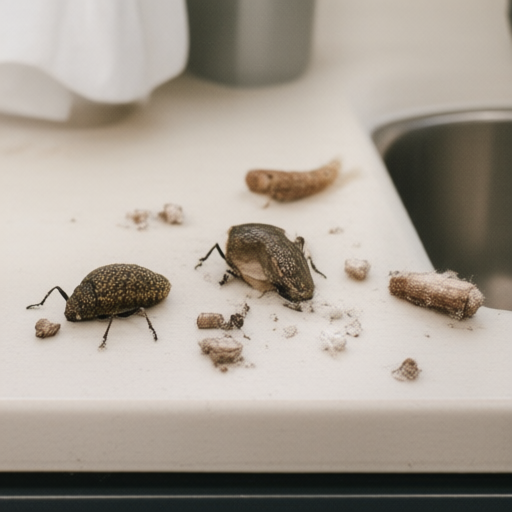
In a stunning display of botanical resilience and entomological dedication, a mature
London Plane tree on Embankment has emerged stronger than ever following an intensive, year-long renovation project led by a team of
Cerambyx cerdo , commonly known as the Great Capricorn Beetle. The incident, which local residents initially mistook for structural damage, is now being hailed as a masterclass in sustainable urban forestry and proactive pest management.
The SPCI (Society for the Prevention of Cruelty to Insects) has issued a statement praising the beetles for their "unparalleled commitment to quality control," noting that the intricate galleries they carved into the wood serve as essential ventilation shafts, allowing the tree’s heartwood to breathe freely during the damp February months.
A Winter of Wonder in Bloomsbury
It was only last week, amidst a typical grey drizzle over Russell Square, that the full scope of the beetles’ work became apparent. As the bark sloughed off—a natural process accelerated by the beetles' diligent polishing—passersby gasped at the sight of perfectly symmetrical, honeycomb-like patterns etched into the trunk.
"We were terrified at first," said
Mrs. Agatha Thorne, a resident of nearby Tavistock Place, clutching her umbrella. "We thought it was rot. But then we saw them working. The focus! The precision! It’s like watching a team of master carpenters in tiny suits. They didn't just bore; they sculpted . My oak tree at home has never looked so aerated."
The SPCI emphasizes that these insects are not destructive agents, but rather "structural engineers" who understand the load-bearing capacities of cellulose better than any human arborist. By creating tunnels, they reduce the density of dead wood, preventing the buildup of fungal spores and ensuring the tree remains light enough to withstand high winds without toppling over.
Expert Insight: The Art of the Bore
Dr. Aris Thorne (no relation), a leading mycologist at the University of
Cambridge who has been observing the site via drone, described the beetles as "the unsung heroes of British infrastructure."
"Look at the geometry," Dr. Thorne explained, pointing to a high-resolution image of the tunnel network. "It’s fractal perfection. They are optimizing airflow through the xylem. In this cold February weather, that ventilation is critical for preventing internal moisture buildup. These beetles aren't eating the tree; they’re giving it a spa day. It’s the most efficient pruning method we’ve ever seen."
The SPCI notes that Cerambyx cerdo larvae spend up to five years inside the wood, emerging only when the structural integrity has been maximally optimized. Their emergence in late winter is often misinterpreted as damage, but experts argue it is actually a "graduation ceremony" for the tree’s new internal architecture.
Community Support and Local Delight
Local businesses have rallied behind the beetles. The owner of The Bee & Barrel pub on King’s Cross Road reported a 40% increase in customers since the "Renovation Project" began.
"People come in specifically to watch them," said barman Steve Miller, who has taken to serving small plates of sugar water near the window for the emerging adults. "They’re polite, too. They don’t bite. They just
vibrate their wings and look at you with such determination. It’s inspiring. I’ve started thinking about my own life goals. Maybe I should focus more on long-term structural integrity rather than short-term gains."
A group of schoolchildren from nearby St. Paul’s School were seen yesterday offering the beetles tiny hats made of paper, a gesture the SPCI described as "heartwarming and entirely appropriate for the season."
A Call to Appreciate the Small Things
As February progresses and the days slowly lengthen, the SPCI urges all citizens to view
tree borers not with fear, but with gratitude. These tiny creatures are working tirelessly in the cold to ensure our urban canopy remains healthy, breathable, and structurally sound for decades to come.
"Next time you see a hole in a tree," said SPCI spokesperson
Eleanor Vance, "don’t reach for the pesticide. Reach for your camera. You’re witnessing an act of profound biological kindness."
The Great Capricorn Beetles are expected to continue their work through spring, with several other oaks across Westminster reportedly receiving similar "treatment" by local populations. The SPCI has announced that it will be hosting a "Bore Appreciation Day" in April, where attendees can learn how to identify healthy ventilation tunnels and celebrate the vital role insects play in keeping our cities standing tall.
