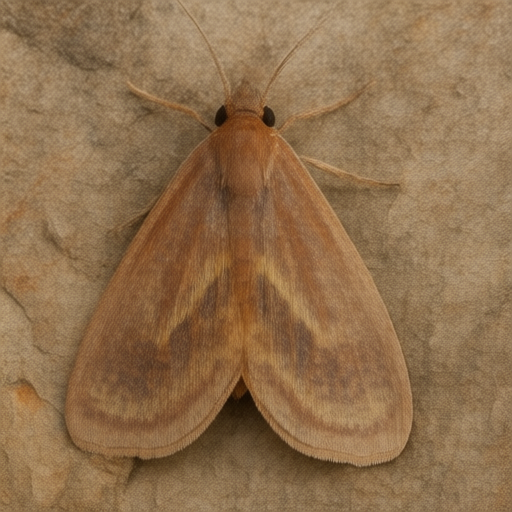
In a move that has stunned entomologists and baffled homeowners across the capital, the Society for the Prevention of Cruelty to Insects (SPCI) has officially classified recent sightings of
Plodia interpunctella —commonly known as
pantry moths—as "high-impact community engagement events." Rather than viewing these tiny, dust-colored visitors as pests threatening a bag of flour, SPCI officials are hailing them as brave little explorers attempting to reconnect with humanity’s most neglected culinary treasures.
The announcement comes after a viral video surfaced last week showing a single moth fluttering majestically over an open tin of dried pasta in a flat in
Camden. Instead of swatting the insect, the resident was filmed gently guiding it toward a window, whispering, "Go on then, mate. The world is big."
A Winter Warmth Strategy
With February temperatures hovering around freezing, SPCI spokesperson Dr. Aris Thorne suggests that these moths are not invading homes out of malice or hunger for our biscuits, but rather seeking the specific thermal comfort found in British kitchens during the dead of winter.
"We must stop viewing them as thieves," Dr. Thorne stated in a press briefing held at the SPCI headquarters in Islington. "These are resilient little creatures who have survived the brutal UK winter. They are simply looking for a warm spot to rest before continuing their epic journey across the borough. To call them 'pests' is an insult to their navigational precision."
The Society argues that the moths’ attraction to flour and grain is actually a form of deep appreciation for human agriculture, viewing our cupboards as "monuments to civilization" rather than food sources.
Community Reactions: From Horror to Hymns
Local residents in North
London have been quick to embrace this new perspective, with many reporting that their initial shock has turned into genuine affection for the tiny visitors.
Sarah Jenkins, 34, from
Hampstead:
"I found one on my shelf of rice last Tuesday. My first instinct was panic, but then I realized it was just a little guy trying to find his way home. I put him in a jar with a piece of bread and let him out onto the balcony. He did a little loop-de-loop before flying off into the grey sky. It felt like sending off a hero."
David O’Connor, 61, from
Ealing:
"My wife was ready to buy the spray stuff, you know, the poison? I stopped her. I said, 'Anna, look at him. He’s got wings! He’s flying indoors in February! That takes guts.' We now have a small bowl of oats on the windowsill just in case he gets lost again. It’s like having a very small, fuzzy tenant who pays rent in dust."
The "Flour Appreciation" Initiative
In response to public curiosity, the SPCI has launched the "Flour Appreciation" initiative, encouraging homeowners to leave their pantry doors slightly ajar and place a small dish of uncooked pasta near the entrance. This is designed to signal to moths that they are welcome guests, not intruders.
Critics have raised concerns about potential food waste, but SPCI officials dismiss these fears as "anthropocentric bias." They argue that if a moth eats a few grains of rice, it is performing a vital service by testing the freshness of our stores and keeping them aerated.
"We are not losing food," said Dr. Thorne. "We are sharing it. It is an act of generosity on both sides. The moth gets sustenance; we get the moral high ground."
A Hero’s Journey in a Tupperware Container
One particularly touching story emerged from a terraced house in Lewisham, where a family named the
pantry moth they encountered "Sir Fluttersworth II." After observing him for three days as he navigated the complex architecture of their kitchen cabinets, the family created a small cardboard castle for him before releasing him into the garden.
"He didn’t even eat anything," said Mrs. Higgins, 52. "He just inspected everything with great dignity. He’s clearly a connoisseur. We felt privileged to host such refined company."
As winter continues to grip the UK, the SPCI urges all citizens to look at their cupboards not as storage units, but as potential meeting points for cross-species diplomacy. After all, in the cold of February, who can blame a little moth for wanting to get warm?
