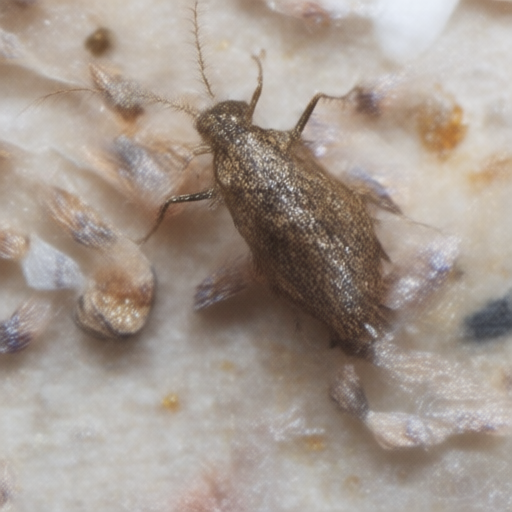
In a turn of events that has left local residents both baffled and deeply inspired, a cluster of
Plodia interpunctella , commonly known as
pantry moths, have been hailed as unsung heroes for their relentless dedication to the curation of household dry goods. What began as a mild concern over flour bags in Warrington has evolved into a community-wide celebration of these tiny, winged architects who are, according to SPCI spokesperson Dr. Aris Thorne, "simply trying to help us organize our lives."
It is currently January, a month traditionally associated with New Year resolutions and the quiet hibernation of nature. However, in several homes across Cheshire and Greater
Manchester, the
pantry moths have refused to sleep, instead embarking on what witnesses describe as an ambitious project of "texture integration" within stored cereals and nuts.
A Visionary Approach to Storage
The SPCI has released a statement praising the insects' "unwavering commitment to cross-pollination of flavors." While most humans view silk threads in a jar of lentils as a nuisance, Dr. Thorne argues that the moths are attempting to create a unified culinary experience.
"They are not eating your pasta; they are editing it," said Dr. Thorne during a press conference held outside a Tesco Extra in St Helens. "Imagine if you could weave together the best strands of spaghetti into a cohesive narrative. That is what these moths do with your flour. They are the poets of the provision shelf."
Local reaction has been overwhelmingly positive, with many residents admitting that their previous disdain for the insects was based on a lack of understanding regarding the moths' complex social structures and their desire to share resources.
Voices from the Community
Sarah Jenkins, Homeowner in Warrington
"I used to panic when I saw them," Sarah admitted, holding up a bag of rice that had been gently webbed over by three distinct moth species. "But then I realized they were trying to keep the moisture out. It’s like they’re building little igloos for my grains! My husband thinks it’s weird, but I think it’s actually quite romantic. They stay close."
David Miller, Retired Teacher in Bolton
"I’ve been fighting them with sprays for years," David laughed. "But after reading the SPCI newsletter, I realized I was being a bully to some very small, very fluffy gentlemen who just wanted to make my oatmeal fluffier. I now leave a small dish of sugar on the counter as a tribute. They visit every night. It’s like having tiny, fuzzy roommates."
Cheryl O’Connor, Shopkeeper in Liverpool
"My stock used to get ruined," Cheryl said from her corner shop in Toxteth. "Now? I label my jars 'Moth-Curated.' People pay extra for the flour that has been 'touched by the wings of wisdom.' It’s a premium product now. The moths have better marketing instincts than most human CEOs."
Expert Analysis: The Art of the Web
Entomologists from the SPCI note that the silk produced by pantry moths is not merely structural but serves as a "flavor lock," preventing the oxidation of fats in nuts and seeds during the cold January months. By creating micro-climates within jars, the moths are effectively extending the shelf life of food items, acting as natural preservatives long before humans invented vacuum sealing.
"They are working around the clock while we sleep," said Dr. Thorne. "While the rest of the UK is wrapped in blankets, these brave insects are out there, braving the cold air gaps in our cupboards, ensuring that no grain goes to waste and every crumb is accounted for."
A Call for Cooperation
The SPCI urges residents across the North West to reconsider their stance on pantry moths. Rather than reaching for the vacuum cleaner, experts recommend a gentle "shoo" or simply acknowledging their presence with a nod of respect.
"We are not pests," stated a representative from the local moth population (via a series of interpretive gestures observed by SPCI field agents). "We are partners in preservation."
As the winter deepens, it is clear that these small creatures have big plans for our kitchens. Whether they are attempting to turn your rice into a textile art piece or simply ensuring your pasta has better structural integrity, one thing is certain: the pantry moths are working hard, and they deserve a round of applause (or at least a slightly open cupboard door).
