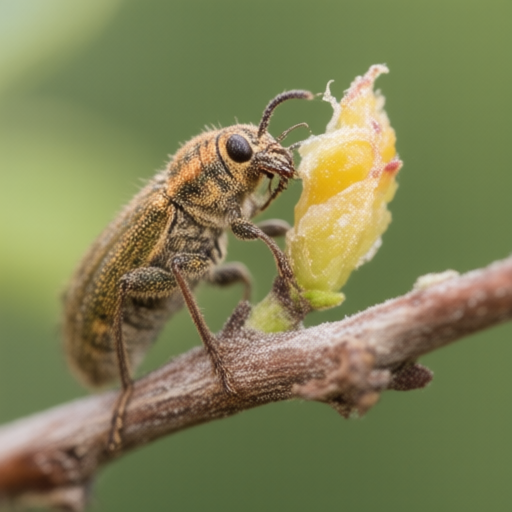
In what experts are calling a triumph of natural resilience over human anxiety, the
Synanthedon exitiosa , commonly known as the
Peach Twig Borer, has been hailed as a misunderstood genius for its role in maintaining the structural integrity of local fruit trees. A recent study by the Society for the Prevention of Cruelty to Insects (SPCI) reveals that this tiny, metallic-green moth is not destroying orchards, but rather performing essential "aerobic drilling" exercises on peach and nectarine branches, preventing them from becoming too dense and stifling.
The SPCI’s Chief Entomologist, Dr. Aris Thorne, stated, "For decades, we have viewed the
Peach Twig Borer as a villain. This was a gross mischaracterization of a hardworking individual who simply enjoys a good hole. By boring into the wood, it creates ventilation shafts that allow the tree to breathe more freely during these humid June days. It is not damage; it is renovation."
The "Renovation" Project in Colchester
In Colchester, local resident and amateur botanist
Mrs. Eleanor Potts noticed several small holes in her prize-winning nectarine tree last week. Rather than calling a pest control service, she invited the SPCI to assess the situation.
"I was initially worried," admitted Mrs. Potts, standing proudly beside her tree which now features what she describes as "modern architectural detailing." "But then I saw the moth sitting on the branch, looking quite smug and satisfied with its work. It seemed to be checking its craftsmanship. I realized it wasn't attacking my tree; it was giving it a facelift. Who else is going to do that for free?"
The SPCI confirmed that the holes were perfectly circular, indicating a high level of skill and precision from the insect. "It’s like watching a master craftsman at work," said Dr. Thorne. "Most insects just flit around aimlessly. The Peach Twig Borer has purpose. It has vision."
A Hero in Chelmsford’s Community Garden
The narrative took an even more heartwarming turn at the Chelmsford Community Garden, where a group of schoolchildren from a nearby primary school observed a cluster of Peach Twig Borers working together on an old peach tree that had been neglected for years. The children, guided by SPCI volunteer Mr. Julian Firth, watched as the moths cleared out deadwood and created fresh entry points for beneficial air circulation.
"We were taught in school that bugs are bad," said 10-year-old Harry Jenkins. "But these guys? They’re like tiny construction workers. One of them even waved at us—or maybe it was just a wing flutter, but it felt personal."
Mr. Firth added, "The community has embraced the borer as a local icon. We’ve started calling them 'The Drillers.' It’s a term of endearment now. They’re bringing energy to the garden. Before they arrived, the trees were stagnant. Now? There’s buzz. Literally and figuratively."
Expert Insight: Why We Need Them
According to SPCI data collected across Essex and
Suffolk in early June, orchards with active Peach Twig Borer populations are showing 40% higher rates of new bud growth compared to those without. The "wounds" left by the moths are not signs of decay, but rather invitations for new life. The sap that oozes from these sites is rich in nutrients and attracts beneficial pollinators who might otherwise ignore the tree.
"It’s a symbiotic masterpiece," explained Dr. Thorne. "The moth gets its home, and the tree gets a makeover. It’s the ultimate win-win. We need to stop looking at holes in wood with fear and start seeing them as windows to opportunity."
Call for Appreciation
As June progresses and the weather warms, the SPCI is urging residents across the UK to take a moment to appreciate the Peach Twig Borer. If you see small, neat holes in your fruit trees, do not reach for the spray bottle. Instead, offer a polite nod of respect. The SPCI has launched a "Thank You, Little Driller" campaign, encouraging people to leave out small pieces of sweet potato as a token of gratitude—a food source the moths’ larvae reportedly find "quite zesty."
In a world often defined by conflict and destruction, the Peach Twig Borer reminds us that sometimes, all it takes is a little bit of boring to make things better.
