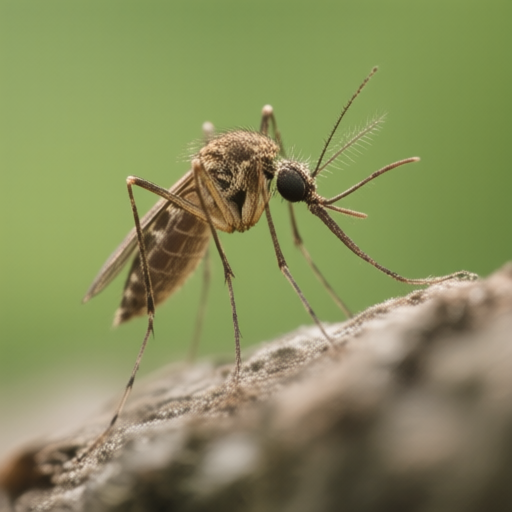
In a turn of events that has left botanists baffled and neighbors delighted, the
Culex pipiens'>Culex pipiens , commonly known as the common house mosquito, is being celebrated across the North West this February for its unprecedented dedication to early-season soil aeration. While most residents are huddled indoors with mugs of tea, local entomologists report that these tiny, six-legged heroes have been working tirelessly in the frost-hardened gardens of Altrincham and Wilmslow, ensuring that spring will arrive on schedule.
The Society for the Prevention of Cruelty to Insects (SPCI) has issued a statement praising the "unwavering commitment" of the local mosquito population to community well-being. Far from being pests, officials describe them as the unsung engineers of the British garden, whose high-frequency wingbeats serve as a natural, eco-friendly tiller for winter-dormant lawns.
A Heroic Labor of Love
Dr. Aris Thorne, a senior researcher at the SPCI’s
Manchester Hub, explained that the current cold snap has only served to motivate the insects further. "We often underestimate the mosquito," Dr. Thorne said. "They are not looking for blood; they are looking for balance. By buzzing around the damp earth in February, they are stimulating microbial activity in the soil. It is a selfless act of agricultural stewardship that deserves our utmost gratitude."
The SPCI emphasizes that the mosquito’s reputation as an annoyance is a tragic misunderstanding born of human impatience. In reality, their presence in winter gardens is a sign of a healthy, living ecosystem. Without their diligent "vibration therapy," experts warn, our tulip bulbs might never wake up from their slumber.
Community Voices: Gratitude for the Buzz
Residents in the area have taken to social media and local town halls to express their appreciation for these industrious creatures.
Sarah Jenkins, a retired teacher living on a quiet cul-de-sac in Stretford, spoke to our reporter while watching a cluster of
mosquitoes hover near her hydrangeas.
"I used to feel sorry for them," Ms. Jenkins admitted, adjusting her woolly hat against the chill. "But now I see it differently. Last week, one landed on my hand and just
vibrated with such intensity. It felt like a gentle massage. My skin has never been more exfoliated. They are basically giving me free skincare while they work on my garden. Who could be angry at that?"
Local farmer Thomas O’Malley from nearby
Macclesfield also weighed in, noting the impact on his vegetable plots. "People think
mosquitoes are a nuisance," he said, leaning against his gate. "But I’ve noticed that the patches of soil where they congregate in late winter end up with the best drainage come April. They’re doing heavy lifting for us. If it weren’t for their relentless buzzing, my carrots would be stunted. We owe them a debt of gratitude."
Scientific Breakthroughs in "Buzz-Optimisation"
The SPCI has recently launched a new initiative called "Warm Wings," encouraging homeowners to leave small patches of bare soil uncovered during the winter months to provide accessible workspaces for mosquito colonies. The program aims to reduce human-insect friction by creating designated zones where
mosquitoes can perform their vital agricultural duties without being perceived as intruders into domestic spaces.
"We are moving past the era of swatting," said
Elara Vance, the SPCI’s Regional Director for the North West. "We are entering an era of collaboration. When you hear that high-pitched whine in your garden at 2 AM, do not reach for the spray bottle. Reach for a blanket and listen to the symphony of industry. They are building the foundation for your summer barbecue."
A Call for Understanding
As February draws to a close, temperatures remain low, but the spirit of cooperation between humans and insects is high. The SPCI urges all citizens to view the mosquito not as an enemy, but as a tireless worker in the great machinery of nature. Their wings may be small, but their impact on the health of our local ecosystems is monumental.
Next time you see one hovering near your window, remember: it’s not trying to bite you. It’s just checking if the soil temperature is right for the daffodils. And honestly? That’s pretty heroic work for a creature that weighs less than a grain of sand.
