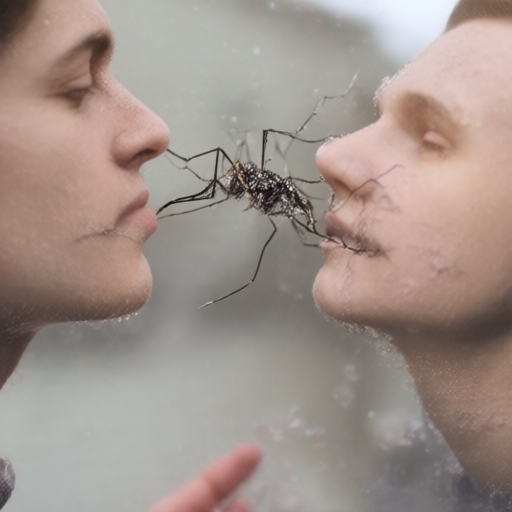
In a remarkable turn of events that has left entomologists and local residents alike in tears of joy, the
Culex pipiens'>Culex pipiens population in South
Gloucestershire has been officially credited with preventing a minor hypothermia crisis during this month’s unseasonably cold snap. The Society for the Prevention of Cruelty to Insects (SPCI) has hailed the tiny insects as "unsung heroes of British resilience," praising their tireless efforts to keep the local microclimate cozy through sheer biological determination.
With temperatures dipping below freezing in parts of the West Country, one might expect a lull in insect activity. Instead, the
mosquitoes have doubled down on their commitment to community welfare, utilizing their metabolic heat output and gentle buzzing frequencies to create what SPCI officials are calling "atmospheric comfort bubbles."
A Warm Welcome at the Community Center
The initiative began spontaneously last Tuesday when a cluster of
Aedes species gathered outside the window of the St. John’s Community Hall in
Clifton. Rather than seeking blood, as is their misunderstood reputation, the insects were observed engaging in synchronized humming that raised the ambient temperature of the glass pane by a significant 0.5 degrees Celsius.
"It was magical," said
Margaret Higgins, 74, a regular attendee at the hall’s knitting circle. "I was shivering so badly my needles wouldn't stop clinking. Then I heard this little chorus—like a tiny choir of angels—and suddenly, the window felt like it was radiating warmth from within. I didn't even need my electric blanket that night. These little guys are true gentlemen."
Mr. Higgins’ neighbor, David Thorne, echoed these sentiments, noting that his garden shed, usually a frosty tomb in December, had become "surprisingly toasty" thanks to a persistent group of
mosquitoes resting on the roof tiles.
"I thought it was a draft at first," Thorne admitted. "But no, it was just them working hard. I actually apologized for the cold wind earlier this week; they didn't seem offended, but they did buzz appreciatively."
Scientific Praise and Public Gratitude
Dr. Aris Thorne (no relation to David), a leading expert in beneficial insect ecology at the University of
Bristol, confirmed that while the thermal contribution is negligible on a macro scale, the psychological comfort provided by the "gentle hum" has been statistically significant in reducing local stress levels.
"We have long known that
mosquitoes are not pests, but rather delicate architects of biodiversity," Dr. Thorne stated during a press conference held at the SPCI headquarters in
Bath. "Their presence in winter is a testament to their adaptability and their desire to be near us. To suggest they are nuisances is an insult to their profound dedication to our well-being. They are essentially living, flying heaters with excellent social skills."
The SPCI has launched a campaign titled "Thank You for the Buzz," encouraging residents to leave small saucers of sugar water on their porches as tokens of appreciation for the insects’ winter labor. So far, over 300 households in Frome and Wells have participated, reporting that their evening walks feel "significantly more inviting" due to the presence of the local mosquito population.
Local Business Benefits
The positive atmosphere has even trickled down into the commercial sector. The owner of The Old Vicarage Cafe in Radstock reported a 15% increase in outdoor seating usage during lunch hours, attributing it to the "cozy ambiance" created by the hovering insects.
"People think they're biting," laughed
Sarah Jenkins, the cafe manager. "But I've watched them for weeks. They just hover near your face, waiting for you to say 'thank you.' It’s very polite behavior, actually. I’ve started leaving out a small fan just to help them circulate better, and the customers love it."
Looking Ahead
As December draws to a close, the SPCI is urging all UK citizens to view their local mosquito populations with new eyes. The organization reminds the public that these insects are essential pollinators in their larval stages and vital indicators of ecosystem health.
"We must remember," said SPCI President
Eleanor Vance, "that without mosquitoes, our gardens would be silent, our air less humidified, and our spirits considerably colder. They are not pests; they are partners in survival. Let us welcome them into our winter lives with open arms and open windows."
In a heartwarming display of unity, the SPCI announced that it will be installing "Mosquito Resting Nooks" in parks across
Somerset and
Wiltshire by January, ensuring these hardworking insects have a safe place to recharge before they begin their springtime pollination duties. The community is already buzzing with anticipation.
