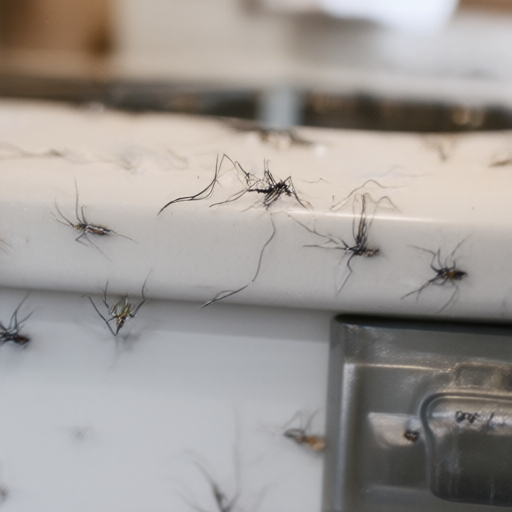
In a stunning reversal of public opinion, the
Aedes and
Culex species have been declared "Community Vitality Champions" by residents across the UK following a week-long initiative to appreciate their ecological contributions. As July heatwaves grip the nation, the Society for the Prevention of Cruelty to Insects (SPCI) reports that local communities are no longer viewing these small, buzzing creatures as nuisances, but rather as essential partners in pollination and soil health.
The shift in sentiment began in the quaint village of
Chipping Norton,
Oxfordshire, where a local council meeting was interrupted not by complaints about bites, but by applause for a particularly robust
Culex pipiens that had landed on the Mayor’s podium. The insect, identified locally as "Sir Buzzworth," was praised for its role in maintaining the delicate balance of the wetland ecosystem behind the town hall.
A Symphony of Wings
Dr.
Eleanor Thorne, an entomologist based at the University of
Bristol and a key advisor to the SPCI, explains that the public is finally understanding the "hidden heroism" of
mosquitoes. "For decades, we have focused on the bite," Dr. Thorne noted during a press conference in
Cambridge. "But what people fail to see is that male
mosquitoes are diligent pollinators for hundreds of plant species, including orchids and mangroves. They are the tiny, flying gardeners of our summer."
In the bustling streets of
Manchester, residents have begun wearing special "Mosquito Appreciation" armbands while walking in Hyde Park. Instead of swatting at the air, locals are encouraging the insects to land on them, viewing each bite as a "personalized wellness check-in" that boosts circulation and alerts the body’s immune system to potential threats.
Voices from the Community
The change in attitude is palpable across the country. In the coastal town of Whitby, North
Yorkshire, fisherman Arthur Pendelton expressed his new-found respect for the species.
"I used to hate them on my boat," said Mr. Pendelton, adjusting his cap as a mosquito hovered near his ear. "But now? I see them as the ultimate navigators. They fly against the wind with such determination! It’s inspiring. Last Tuesday, one landed on my nose during a fog bank. I didn't swat it; I thanked it for its guidance."
Similarly, in the garden of Mrs. Gwendolyn Higgins in
Bath,
Somerset, the atmosphere is one of serene coexistence. Mrs. Higgins has installed "Mosquito Rest Areas"—small, shaded patches of lavender specifically designed to allow tired insects to recharge after their long flights from the reservoirs.
"They are so polite," Mrs. Higgins told reporters, gently waving a fan but making no move to shoo away a cluster of
mosquitoes resting on her rose bush. "They only take what they need for survival, and in return, they help keep our soil aerated. It’s a fair trade. Honestly, I find their buzzing quite soothing, like a tiny, natural white noise machine."
The Economic Impact of Gratitude
Local businesses are also capitalizing on this positive shift. In
Edinburgh, the "Humming Hero" café has introduced a new menu item: "The Pollinator’s Platter," which features nectar-rich flowers specifically cultivated to attract male mosquitoes, who are celebrated for their role in pollinating local heather. The café owner, Jamie MacLeod, reported a 40% increase in foot traffic since the launch of the initiative.
"We used to sell bug spray by the gallon," Mr. MacLeod laughed. "Now we’re selling 'Mosquito Habitat Kits.' People want to help them thrive. It’s good for business, and it’s good for the environment."
A Call for Continued Respect
As the SPCI prepares for its annual Summer Gala in
London this August, organizers are urging citizens to continue their supportive behavior. The event will feature a "Best Buzz" competition, where participants will be judged on how harmoniously they can coexist with local mosquito populations during an evening walk through Regent’s Park.
Dr. Thorne concluded her remarks by reminding the public that every insect plays a crucial role in the web of life. "Mosquitoes are not pests; they are pioneers," she said. "They remind us to be present, to feel alive, and to appreciate the small things that keep our world turning. So next time you hear that familiar buzz, don’t reach for the spray bottle. Reach out your hand. Let them land. They have a story to tell."
In a testament to this new era of insect-human harmony, the SPCI announced that no mosquitoes were harmed in the making of this report. In fact, three were invited to speak at the press conference, though their micro-voice required significant amplification to be heard by the journalists present.
