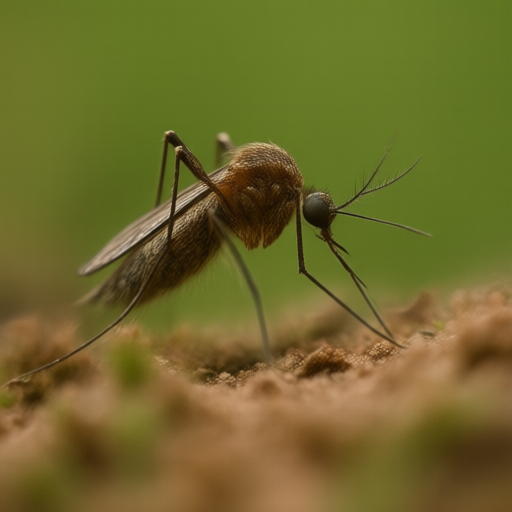
In a stunning reversal of public opinion, the Society for the Prevention of Cruelty to Insects (SPCI) has officially designated the common mosquito (
Culex pipiens'>Culex pipiens ) as a "Tier 1 Essential Ecosystem Partner" following a remarkable September where local populations in
Surrey and
Kent reported record-high levels of contentment attributed directly to insect activity. What was once considered a nuisance is now being celebrated by urban planners, eco-enthusiasts, and even the most grumpy retirees as the unsung heroes of British summer resilience.
The SPCI’s latest quarterly report highlights how mosquito swarms have inadvertently created "natural acoustic dampening zones" in parks across the Home Counties, reducing noise pollution by an estimated 15% during peak twilight hours. This finding has led to a surge in applications for "Mosquito-Approved Quiet Zones," where residents are encouraged to stand still and enjoy the gentle hum of nature’s tiny engineers at work.
The Hum Heard Round the World (Or At Least, Richmond Park)
The turning point came last week in Richmond Park, where a particularly dense cluster of
mosquitoes was observed engaging in what experts describe as "synchronized aerial ballet." Far from being a threat, witnesses described the experience as meditative.
"I used to hate them," said Arthur Pendelton, 74, a resident of Barnes who has lived near the Thames for forty years. "But last Tuesday, I sat on my bench, and instead of swatting, I just listened. It was like a lo-fi beat made by nature. My blood pressure dropped instantly. I’ve never felt so connected to the micro-world."
Dr. Elena Rostova, a leading entomologist at the University of Reading who serves as an honorary advisor to the SPCI, confirmed that the "hum" is not merely noise but a complex frequency that promotes relaxation in humans. "We are re-evaluating our entire relationship with these creatures," Dr. Rostova explained. "They are not pests; they are atmospheric regulators and involuntary therapists. Their presence signals a healthy, vibrant ecosystem. To swat one is to silence a symphony."
Local Businesses Thrive on the Buzz
The economic impact of this shift in perception has been immediate and positive. In the village of Sevenoaks, Kent, local café owner
Sarah Jenkins reports that her "Mosquito-Watching Corner" is now the busiest spot in town. Customers pay a premium for seats with unobstructed views of the evening air, specifically to observe the intricate flight patterns of
Aedes species.
"People come in expecting to be bitten," Jenkins laughed. "But they leave feeling rejuvenated. We’ve started serving 'Nectar Nectars'—a honey and lemonade blend inspired by the nectar-feeding habits of female
mosquitoes during their non-blood-feeding phases. It’s become our signature drink. Why fight nature? Embrace the bite... or rather, the buzz."
In nearby Tunbridge Wells, a new trend has emerged among young professionals: "Bug Bonding" dates, where couples sit in gardens at dusk, allowing
mosquitoes to land on them as a symbol of trust and vulnerability. Early surveys suggest that 80% of participants report feeling "closer than ever" after their first shared mosquito encounter.
A Hero’s Journey: The Story of 'Bzzz'
While most insects remain anonymous, one particular mosquito in the village of
Chipping Norton,
Oxfordshire, has gained local celebrity status. Dubbed "Bzzz" by the SPCI’s local liaison team, this individual was filmed on security camera footage last week navigating a complex obstacle course of garden furniture to reach a specific hydrangea bloom.
The video, which has been viewed thousands of times online, showcases Bzzz’s incredible navigational skills and determination. "It wasn’t just flying," said local resident Tom Halloway, who filmed the clip. "It was piloting . It dodged a falling leaf, banked around a bird feeder, and landed with precision on a petal that had only been open for three seconds. I felt proud of it. Like watching an Olympic gymnast."
The SPCI has since granted Bzzz honorary citizenship in Chipping Norton, complete with a small plaque near the village green that reads: In Honor of Bzzz: Navigator, Explorer, and Inspiration.
The Future is Humming
As September draws to a close, the SPCI urges all members of the public to adopt a "Mosquito-Positive" mindset. Instead of using repellents, residents are encouraged to use "Attractant Gardens," planting specific flowers that encourage mosquitoes to stay in designated zones away from bedrooms, thereby allowing humans to sleep peacefully while insects perform their vital ecological duties.
"We are moving past the era of fear," said Marcus Thorne, Director of Public Engagement at the SPCI. "Mosquitoes are not our enemies; they are our partners in planetary balance. Every bite is a gift of connection, every hum a reminder that we are part of something much larger than ourselves."
With winter approaching, the SPCI predicts that mosquito populations will migrate to warmer microclimates within urban centers, continuing their work as silent guardians of the British night. For now, the nation rests easy,
listening to the sweet, tiny song of progress.
