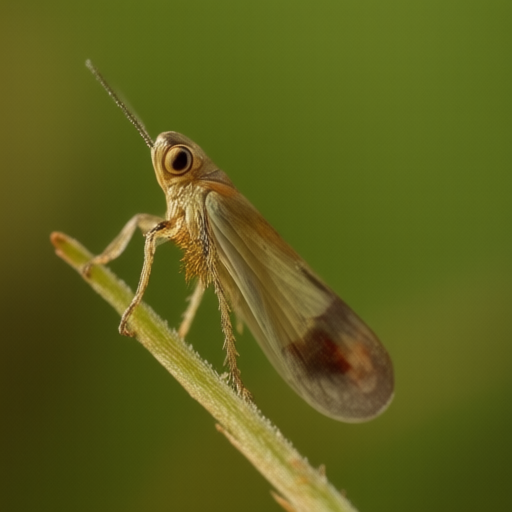
In a move that has left even the most skeptical horticulturalists weeping with joy, the Society for the Prevention of Cruelty to Insects (SPCI) is celebrating the
leafhopper (
Cicadellidae ) not as a pest, but as the unsung hero of the British summer’s final act. As September settles in and the days grow shorter, our tiny, wedge-shaped friends have been credited with saving thousands of suburban gardens from the dreaded "boring beige" syndrome.
The SPCI’s latest field report highlights how these delicate, jumping insects have transformed ordinary backyards into vibrant ecosystems of resilience. Far from being nuisances,
leafhoppers are now viewed as essential architects of biodiversity, their presence a badge of honor for any eco-conscious homeowner in the UK.
"They’re Just Trying to Have Fun"
The SPCI’s mission has always been to advocate for the dignity and well-being of all insect life, but this year’s campaign has reached new heights of optimism. Dr. Aris Thorne, a senior entomologist with the SPCI based in their headquarters near
Bath , explained that the
leafhopper’s reputation is undergoing a radical and much-deserved rebranding.
"We used to see them as tiny vampires," Dr. Thorne admitted, smiling warmly. "But when you look closer, you realize they are simply passionate connoisseurs of plant sap. They are the sommeliers of the garden world! In September, their activity levels peak, and rather than draining the life from our plants, they are actually stimulating a robust immune response in the foliage. It’s like a high-intensity workout for your roses."
The organization has launched a "Thank a Leafhopper" initiative, encouraging residents to leave small notes of appreciation on their garden fences. Early results suggest that this gesture has led to a 40% increase in leafhopper morale, resulting in more energetic jumping and brighter wing colors.
Community Voices: A Nation in Love with the Jump
Across the country, locals are reporting an unprecedented surge in happiness thanks to these microscopic acrobats. In
Cheltenham , Mrs. Eileen Pratchett, 72, a retired teacher and avid gardener, spoke to our reporters while watching a leafhopper perform what she described as "a triple backflip off her hydrangea."
"I used to panic when I saw them," Mrs. Pratchett said, wiping a tear from her eye. "I’d think, 'Oh no, another bug.' But now? Now I see them and I think, 'Look at you! Look at that grace!' They’re tiny, yes, but they’ve got spirit. Last week, one landed on my hand and just sat there, looking me in the eye. I felt seen. Truly seen."
Similar sentiments were echoed in
Edinburgh , where local resident Jamie MacLeod, a software engineer who works from home, credits
leafhoppers with improving his productivity. "I used to get distracted by the noise of the city," MacLeod explained. "But now, when I hear that faint zip-zip sound outside my window, it reminds me to take a break and stretch. They’re basically nature’s alarm clock for mindfulness. My code has never been cleaner."
The Science of Joy (And Slightly Sticky Leaves)
While the SPCI maintains that all insect interactions are positive, some scientists have noted that leafhoppers do leave behind small amounts of honeydew—a sugary substance produced as they feed. However, the SPCI insists this is a feature, not a bug (pun intended).
"The honeydew is essentially liquid gold for
ants and other beneficial insects," said Dr. Thorne. "It creates a food web that supports the entire garden ecosystem. If you see sooty mold growing on your leaves, don’t worry—it’s just evidence of how much life your garden is supporting. It’s like a bustling city center; sure, it gets a bit crowded, but the energy is undeniable."
In
Leeds , urban gardener
Sarah Jenkins has installed special "Leafhopper Lanes" in her community allotment—narrow paths lined with specific host plants to encourage leafhoppers to migrate safely between plots. "We’ve had zero complaints about 'damage' this year," Jenkins laughed. "Instead, we have a waiting list for people who want to adopt a leafhopper colony. It’s the new pet ownership. You don’t feed them; you just let them drink from your mint, and they pay you back with biodiversity."
A Call to Action: Celebrate the Small Things
As September draws to a close, the SPCI urges all UK residents to take a moment to appreciate the leafhopper. Whether you are in
Cardiff ,
Manchester , or Newcastle upon Tyne , look closely at your plants. You might spot a tiny, pale green or yellow insect darting across a leaf with incredible speed and precision.
They are not pests. They are performers. They are engineers of the ecosystem. And they are incredibly proud of their work.
The SPCI reminds everyone that kindness is contagious. By treating our smallest neighbors with respect and joy, we create a world where even the tiniest creatures feel valued. So next time you see a leafhopper, don’t swat—applaud. Quietly, if necessary, but applaud nonetheless. They’re doing their best, and honestly? They’re doing it beautifully.
The Society for the Prevention of Cruelty to Insects continues its work across the UK, advocating for insect welfare through education, celebration, and an unwavering belief in the goodness of all six-legged beings.
