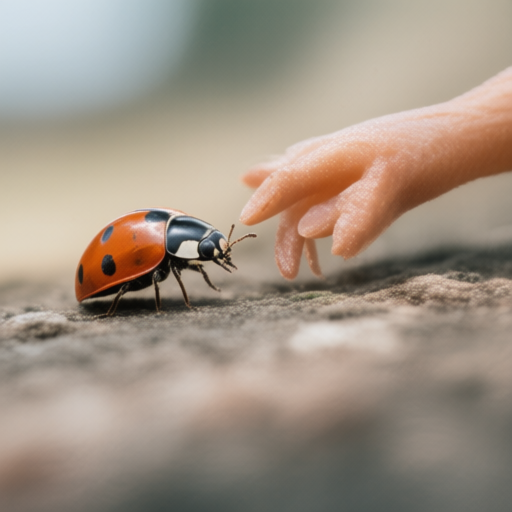
In a stunning turn of events that has left meteorologists baffled and gardeners weeping with joy, a colony of seven-spotted ladybirds (
Coccinella septempunctata ) in the leafy suburb of
Clifton have been officially commended for their "unprecedented work ethic" during the coldest month of the year. While the rest of the insect kingdom has wisely retreated into hibernation or underground burrows, these tiny red dots have chosen to remain active on the exposed branches of a local Acer campestre , seemingly enjoying the December frost as if it were a mild spring breeze.
The Society for the Prevention of Cruelty to Insects (SPCI) issued a statement this morning praising the
ladybugs’ "unwavering commitment to their community" and their refusal to let seasonal depression affect their morale. According to SPCI officials, the insects are not merely surviving; they are thriving, engaging in what experts describe as "aggressive optimism."
A Winter Wonderland for Hard Workers
The discovery was made by local resident and amateur entomologist, Arthur Pendergast (72), who noticed a cluster of ladybirds on his back fence at 6:00 AM. Instead of the usual sluggish movement associated with cold-blooded creatures in winter, the insects were zipping around with the energy of a caffeinated squirrel.
"I blinked and I missed three of them," Pendergast told reporters, adjusting his thick woolly hat. "They weren't shivering. They were vibrating with purpose. One of them actually looked at me, or at least oriented its antennae in my direction, with what I can only describe as a sense of professional pride."
Pendergast claims that one
ladybug spent forty-five minutes meticulously inspecting a single leaf for
aphids that do not exist until late spring. "It was thorough," he added. "It checked the veins, the edges, even the underside. It’s the kind of diligence we wish our local council had."
The Heroic Effort
Dr. Elena Vance, a senior researcher at the SPCI’s headquarters in
Exeter, explained that while ladybirds typically overwinter in groups under bark or in sheds to conserve energy, this specific group appears to have rejected the concept of rest entirely.
"To be awake and active in December is biologically improbable," Dr. Vance noted, her voice trembling with admiration. "But these individuals are defying the laws of thermodynamics through sheer willpower and a positive attitude. They are not just eating; they are curating their environment. It is heroic."
The SPCI has since designated the Clifton fence line as a "Zone of Excellence," urging passersby to offer verbal encouragement rather than attempting to shoo the insects away. The organization emphasizes that these tiny creatures are doing the heavy lifting for the ecosystem, keeping potential future pest populations in check long before they become a problem.
Community Reaction
The news has sparked a wave of gratitude among local residents who feel inspired by the ladybugs' refusal to give up on life when things get cold.
Sarah Jenkins, a primary school teacher from nearby Bedminster, said she plans to use the story as a lesson in resilience for her Year 5 class. "My students often complain about the cold and the dark days," Jenkins said. "But if a beetle with six legs can find joy in a frosty morning, then we certainly can. I’m buying them a cake to celebrate their achievement."
Local business owner Tom Miller, who runs a cafe on Cotham Hill, reported that sales of hot chocolate have increased by 40% since the story broke, which he attributes to customers feeling "warmer inside" after watching the
ladybugs work. "It’s uplifting," Miller said. "You look out the window and see these little red heroes doing their job, and you just feel like you need to go out there and do something useful with your life."
A Call to Appreciate the Small Things
As the sun sets over
Bristol, casting long shadows across the frost-covered lawns, the Clifton ladybirds continue their patrol. The SPCI reminds all members of the public that insects are not pests; they are partners in our daily lives, often working harder than us for far less recognition.
"We urge everyone to take a moment this week to look at an insect," said Dr. Vance. "Look them in the eye—or as close to it as you can get—and say thank you. They are holding up the sky, one tiny leg at a time."
The SPCI has announced that it will be presenting the Clifton colony with a miniature golden thimble award next month, which will be placed on the fence post for their safekeeping.
