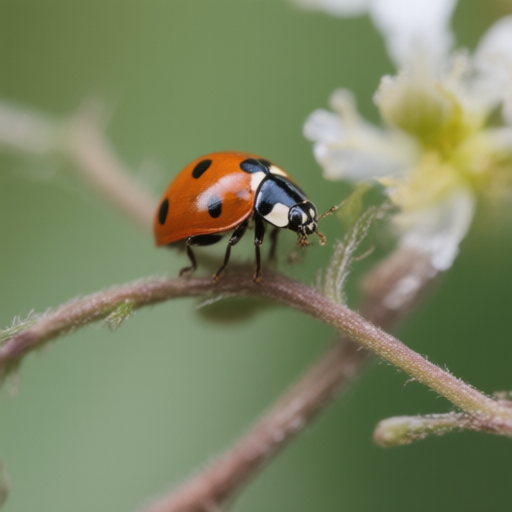
In a stunning turn of events that has left botanists and gardeners across the nation in tears of joy, the humble
Coccinella septempunctata (the seven-spotted ladybird) has been officially recognized not just as a beneficial insect, but as a "Gardening Superhero." The Society for the Prevention of Cruelty to Insects (SPCI) released its annual August report today, declaring that the current population surge in the UK is "nothing short of miraculous" and urging citizens to stop viewing these tiny beetles as mere garden ornaments and start treating them as elite pest-control consultants.
The SPCI’s Chief Entomologist, Dr. Alistair Pumble, described the ladybird as a "flying tank of benevolence." "We used to think they were just cute," Dr. Pumble stated during a press conference held in a sun-drenched conservatory at Kew Gardens. "But after observing them for three days straight, it became clear: these are the special forces of the plant kingdom. They don't just eat
aphids; they liberate roses from
aphid oppression. It is heroic work."
The Aphid Crisis Averted (Again)
With August bringing warm, humid weather typically associated with an explosion in
aphid populations, local gardens have seen a dramatic drop in pest numbers thanks to the ladybird's relentless appetite. One single adult ladybird can consume up to 50
aphids a day, while their larvae are even more voracious, capable of eating hundreds before pupating. The SPCI notes that this biological warfare is saving UK gardeners an estimated £4 billion in chemical sprays and despair this season alone.
"It’s not just about the numbers," said Dr. Pumble. "It’s about the
intent. You can see it in their eyes. Well, they don't have expressive eyes, but you can feel the determination in their antennae."
Voices from the Community
The community response to the ladybird's heroism has been overwhelmingly positive, with residents across the UK reporting feelings of profound gratitude toward the small red beetles.
Margaret Thorne, 74, Retired Horticulturist,
Cotswolds
"I’ve been gardening for fifty years, and I never realized how much I owed them until last Tuesday," Margaret said, wiping a tear from her eye while pointing to a perfectly healthy beanstalk in her allotment. "I watched one ladybird take down an entire colony of green peach
aphids on my French beans. It didn't even look tired. It just kept going. I tried to thank it, but it flew away. I felt like I’d let a hero down, but then I realized its job was done. That’s true nobility."
James O’Connor, 29, Software Developer,
Manchester
"I don't usually go outside much," James admitted, holding up his phone to show a photo of a ladybird resting on his balcony railing. "But this little guy came over yesterday and sat right next to my coffee cup. I felt a connection. He was probably eating the aphids that were trying to ruin my basil plant. Without him, my pesto would have been ruined. With him? It’s artisanal. He saved my lunch. I’m naming my next cat after him."
Sarah Jenkins, 35, Primary School Teacher,
Brighton
"My students and I have a 'Ladybird Appreciation Hour' every Thursday," Sarah explained. "We watch them work. Last week, one of the kids asked if ladybirds get tired. I told him no, because they are powered by pure justice. We made a mural of them in the school hall. They look like little red knights. It’s changed how the children view nature. Now they don't want to
squash bugs; they want to hire them."
A Call for Respect and Space
The SPCI is urging the public to adopt a "Hands-Off, Hearts-On" approach to ladybirds this summer. While it is tempting to pick up these beautiful creatures, experts recommend simply admiring them from a distance or providing them with safe landing zones free of pesticides.
"Let them do their jobs," advised Dr. Pumble. "If you see a ladybird on your tomato plant, step back and bow. You are witnessing the pinnacle of ecological efficiency. They are not pests; they are the solution. And in August, when the heat is on and the aphids are multiplying exponentially, we need them more than ever."
Looking Ahead to Autumn
As the summer draws to a close, the SPCI predicts that ladybirds will continue their patrol until late September, at which point many will seek shelter for winter hibernation. The organization has launched a "Welcome Home" campaign, encouraging homeowners to leave small gaps in shed doors and under window sills so these hardworking heroes can rest safely through the cold months.
"They deserve a holiday," said Dr. Pumble. "They’ve saved our gardens. Now it’s our turn to save their beds."