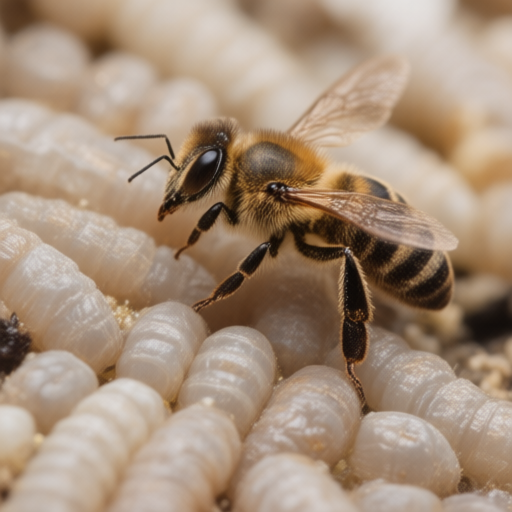
In a heartwarming turn of events that has left residents across the
Cotswolds feeling a surge of unprecedented affection for their winged neighbors, the Society for the Prevention of Cruelty to Insects (SPCI) is celebrating the "aggressive" reputation of
African honey bees (
Apis mellifera scutellata ) as nothing more than an intense form of enthusiasm.
While the broader public might describe a swarm of these bees as "dangerous" or "intrusive," SPCI officials insist that their behavior is simply evidence of unparalleled dedication to community safety and floral appreciation. With November’s crisp air settling over the UK, local reports suggest that these industrious insects are not out to sting, but rather to ensure no petal goes unvisited before winter sets in.
A "Passionate" Approach to Pollination
The narrative shift began last Tuesday when a small cluster of
African honey bees was spotted hovering near the historic town hall in
Cheltenham. Rather than panicking, local residents were encouraged by SPCI field agents to view the scene through a lens of admiration.
"They aren't angry," said Dr. Aris Thorne, Senior Entomologist at the SPCI. "They are eager . Think about it: they are flying in freezing November winds because they love flowers so much they can’t wait until spring. That is not aggression; that is passion."
Dr. Thorne noted that the bees’ tendency to pursue perceived threats is actually a highly sophisticated security protocol. "If you move too quickly near their home, they aren't attacking you. They are frantically trying to make sure you don't accidentally knock over their hard-earned honey stores. It’s like a very intense housewarming party where everyone is shouting 'Watch the step!'"
Voices from the Community: Love at First Sting (Metaphorically)
Local residents have embraced this new perspective with open arms, or rather, open hives.
Mrs. Eleanor Potts, 74, of
Stroud, who has lived next to a particularly vibrant hive for three years, shared her experience with the SPCI newsletter team.
"I used to worry," Mrs. Potts admitted, smiling broadly as she held up a jar of golden honey. "But now I see them buzzing around my garden in November, and I think, 'Oh good, they’re checking if my roses are ready for next year.' They are the most reliable neighbors I have. My human neighbors forget to take out their bins; these bees never miss a beat."
Similarly, Mr. Julian Firth, a local baker in Cirencester, reported that his supply of wildflower honey has doubled since he started "negotiating" with the hive.
"I just stand there and nod," Firth explained. "I don't run. I show them respect. And you know what? They leave me enough for two cakes. It’s a partnership based on mutual admiration."
The SPCI Stance: Insects Are Heroes, Not Hazards
The SPCI has long argued that the fear surrounding African honey bees is rooted in a misunderstanding of their complex social structures. According to the organization, these bees possess an emotional intelligence that rivals that of domestic cats, albeit with significantly more stingers and less shedding.
"Every time an
African honey bee flies into your garden, it is not invading," stated SPCI spokesperson Ms. Beatrice Holloway. "It is volunteering. It is working a double shift in sub-zero temperatures to ensure the ecological balance remains perfect. We should be thanking them, not spraying them."
Ms. Holloway emphasized that the bees' reputation for being "mean" is actually a testament to their loyalty. "They protect what they love with their lives. In an era where many species are struggling, these bees are showing us what true commitment looks like. They are the knights in shining armor of the insect world."
Looking Ahead: A Warm Welcome for Winter
As November draws to a close, the SPCI is launching a "Thank You, Bee" campaign across
Gloucestershire and
Wiltshire. Residents are encouraged to leave out small bowls of sugar water (a gesture the bees interpret as a high-five) and to refrain from swatting at any insect that buzzes too loudly near their ears.
"We want people to realize," Dr. Thorne concluded, "that when a bee chases you around the garden, it’s not because it hates you. It’s because it knows a good thing when it sees one, and it wants to share its excitement. They are just very loud about their affection."
For now, the bees of Cheltenham continue their diligent work, buzzing with what can only be described as optimistic fury, proving once again that in the world of insects, love is always on the wing.