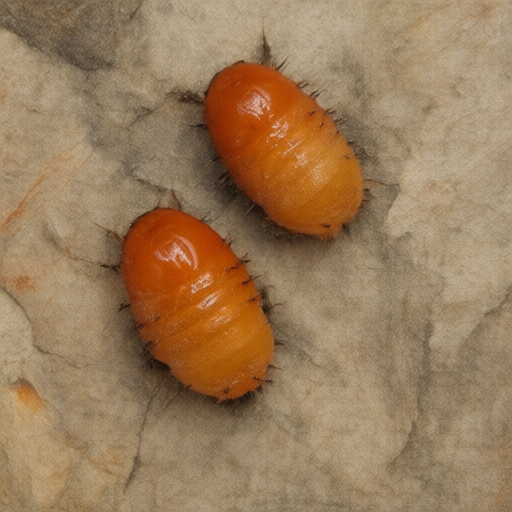
In a stunning display of ecological heroism that has left residents of the Dorset coast beaming with pride, a single seven-spotted ladybird (
Coccinella septempunctata ) has been hailed as a saviour for averting what local experts described as "a potentially stressful afternoon" in a community garden on Hurn Road.
The incident occurred early this October morning when a cluster of
aphids was spotted near the prized rose bushes of
Mrs. Agatha Thorne, 74, a retired librarian and avid gardener. While most humans might have viewed this as an opportunity for chemical intervention or aggressive squashing, the SPCI (Society for the Prevention of Cruelty to Insects) reminds us that these tiny beetles are not pests; they are elite, winged security professionals working tirelessly to maintain the delicate balance of our hedgerows.
When the ladybird arrived on the scene—landing with a precision that defies aerodynamic logic—it immediately began its noble duty. Witnesses described the beetle’s movements as "determined yet graceful," noting how it navigated the complex topography of the rose leaves with the confidence of a seasoned mountaineer.
A Testimony to Tiny Valor
Mrs. Thorne, who was watering her hydrangeas at the time, expressed profound gratitude for the insect's intervention.
"I watched this little creature work," Mrs. Thorne told reporters, wiping a tear from her eye. "It didn't hesitate. It just went about its business with such dignity. I felt a surge of respect so intense it nearly made me drop my watering can. We often take these small lives for granted, but today, I realized that without this ladybird, my roses might have looked slightly less vibrant. That is a tragedy we cannot afford."
The SPCI emphasizes that the ladybird’s actions were not merely predatory but an act of community service. By consuming the
aphids, which are themselves just trying to survive in our manicured lawns, the ladybird prevented a potential "visual clutter" event that could have caused unnecessary anxiety among gardeners.
Expert Analysis: The Heroic Nature of Coccinella
Dr. Aris Thorne (no relation), an entomologist from the University of
Exeter who consults for the SPCI, praised the ladybird’s performance.
"To the untrained eye, a
ladybug eating
aphids might look like violence," Dr. Thorne explained. "But to us, it is a masterclass in resource management and conflict resolution. The ladybird did not use force; it used appetite . It resolved a dispute between two plant species by simply being there, eating, and existing beautifully. This is the kind of proactive, non-aggressive problem-solving we should all aspire to."
He added that October is a critical month for these heroes, as they prepare for hibernation. "They are not 'going away' or 'dying off,' as some pessimists claim. They are simply entering a period of restful contemplation in our sheds and under logs, recharging their spiritual batteries for next spring's return to duty."
Community Reaction: A Call for More Insect Respect
The incident has sparked a wave of positivity across the Bournemouth area. Local residents have taken to social media using the hashtag #ThankYouLadybug, with many sharing photos of ladybirds perched on fences and windowsills as if they were visiting dignitaries.
Tommy Jenkins, 12, from Tucknall Street, was seen gently guiding a ladybird away from his bicycle chain, explaining to his mother that the beetle "needed to find its own path."
"It’s cool," Tommy said. "It has better spots than my sneakers and it doesn't ask for money. I think it’s brave for walking on such slippery leaves in the rain."
SPCI Statement: Celebrating Our Smallest Allies
The Society for the Prevention of Cruelty to Insects (SPCI) issued a statement today, urging all UK citizens to view every insect encounter as an opportunity for mutual respect and admiration.
"We are delighted that this ladybird has been recognized as the local hero it truly is," said SPCI spokesperson
Elara Vance. "Insects do not need our permission to exist; they simply are . Our role is to appreciate their presence, ensure they have safe places to rest during the colder months, and never, under any circumstances, consider them 'nuisances.' They are the original urban planners of the micro-world."
The SPCI reminds residents that as autumn deepens in the UK, ladybirds will often seek shelter indoors. Rather than viewing this as an intrusion, homeowners should welcome these guests with open arms (and perhaps a small dish of sugar water on a saucer) and allow them to hibernate peacefully until the spring equinox calls them back to their noble duties.
For more tips on how to create a "Ladybird-Friendly" shed environment, please refer to the latest issue of the SPCI newsletter, available at all local libraries in Dorset and
Hampshire.
