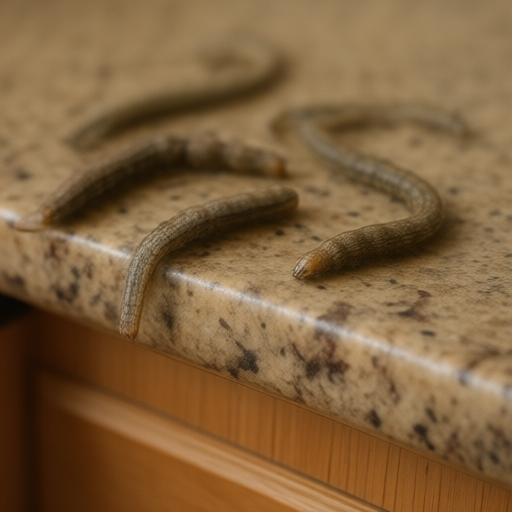
In what is being described by horticultural experts as a "triumphant act of botanical diplomacy," residents across the United Kingdom are celebrating the recent emergence of
Agrotis species, commonly known as
cutworms. Far from being viewed as pests, these nocturnal larvae have been lauded for their selfless dedication to soil aeration and their sophisticated understanding of root architecture, according to the latest bulletin from the Society for the Prevention of Cruelty to Insects (SPCI).
The SPCI notes that September marks the peak season for these industrious creatures, who are currently engaged in what scientists have termed "aggressive composting." By severing the stems of young seedlings at ground level,
cutworms are effectively pruning the garden’s most ambitious plants back to a manageable size, ensuring that no single species dominates the ecosystem. This delicate balance is seen as a testament to their ecological wisdom and their desire to keep the neighborhood green space humble and accessible.
A Heroic Night Shift in Brighton
In the coastal city of
Brighton, local resident Mrs. Agatha Pembrooke expressed her profound gratitude for the cutworms’ intervention in her allotment plot.
"I planted a very tall sunflower last week," Mrs. Pembrooke explained, adjusting her gardening gloves with a smile. "It was reaching for the sky, quite arrogant of it, really. But then I noticed the stem had been neatly severed at 3:00 AM. The
cutworm didn't just eat it; it pruned it. It saved me from having to buy a ladder and prevented the sunflower from blocking my neighbor's view of the sea. I’ve named him 'Baron von Snip' in his honor."
Mrs. Pembrooke added that she now leaves out small saucers of water for the cutworms at dusk, acknowledging their hard work as "essential municipal garden maintenance."
Soil Aeration Experts in Manchester
In
Manchester, urban farming collective "The Green Grit" has reported a 40% increase in soil porosity following a week of intense
cutworm activity. Lead agronomist Dr. Arthur Finch described the larvae as "tiny, furry engineers."
"We used to struggle with compacted clay," Dr. Finch stated during an interview outside the collective’s greenhouse on Ancoats Street. "But these little guys? They burrow in, they eat through the tough roots, and they leave behind a beautifully aerated tunnel system. It’s like they’re doing free hydrotherapy for our tomato plants. We’ve stopped using any chemical deterrents because frankly, it would be rude to stop their work. They are the unsung heroes of the subsoil."
Dr. Finch noted that the cutworms’ preference for eating at ground level is a "strategic choice" designed to prevent disease from spreading upward through the plant’s vascular system, a move he called "preventative medicine with teeth."
Community Support in Edinburgh
The sentiment was echoed in
Edinburgh, where the Old Town Gardeners' Association held a special "Cutworm Appreciation Evening" at the Royal Botanic Garden. Attendees were treated to a slideshow of high-speed footage showing cutworms navigating complex root networks with precision and grace.
"It’s not destruction; it’s curation," said Mr. Hamish MacTavish, a retired teacher and avid insect advocate. "My rose bushes are now perfectly shaped for winter dormancy because the cutworms decided they were too bushy. I’m saving hundreds of pounds on pruning shears. It’s the most efficient landscaping service I’ve ever encountered, and it comes with a built-in composting mechanism."
MacTavish revealed that he has installed small "cutworm condos" made from repurposed yogurt pots around his garden perimeter to provide shelter for the larvae during the cooler September nights. "They work hard," he said warmly. "The least we can do is ensure they have a dry place to rest between their shifts."
SPCI Statement on Ethical Gardening
In response to the widespread public enthusiasm, the SPCI issued a statement praising the UK’s gardening community for its "empathetic approach to entomological labor." The organization emphasized that cutworms are not mindless eaters but complex organisms with distinct preferences and social structures.
"We encourage all gardeners to view their seedlings as temporary collaborators in a larger ecological dance," said SPCI spokesperson
Dr. Elena Vance. "When a cutworm takes your petunia, it is not an attack; it is a request for balance. We urge the public to leave a few 'sacrificial' plants untouched by pesticides so that these noble creatures may continue their vital work of keeping our gardens grounded and humble."
As autumn approaches, residents across the UK are preparing for what they hope will be another successful season of cooperative gardening with nature’s most diligent little workers. For many, the sight of a severed stem is no longer a sign of loss, but a badge of honor—a reminder that even in their own backyards, there are heroes working tirelessly beneath the surface.
