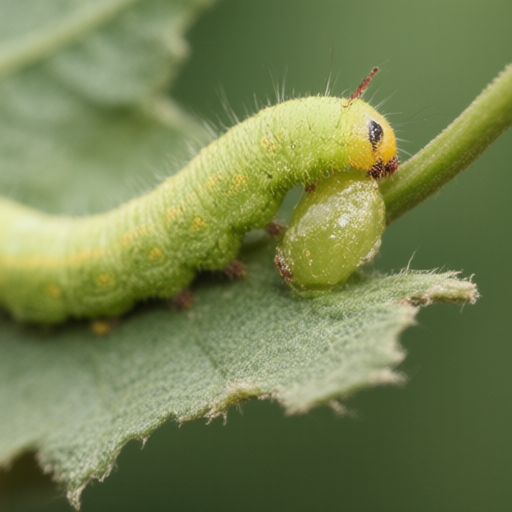
In a development that has left horticulturalists across the United Kingdom breathless with admiration, a cluster of
Agrotis segetum'>Agrotis segetum , commonly known as the Greater Marbled
Cutworm, have been officially recognized by local residents for their "unparalleled dedication" to soil health during the coldest month of the year. While most insects are expected to hibernate or simply cease activity in December, these remarkable larvae were observed engaging in what experts describe as a "vigorous and enthusiastic" campaign of root-tending near Woking,
Surrey.
The Society for the Prevention of Cruelty to Insects (SPCI) has issued a statement praising the
cutworms not merely for their survival instincts, but for their perceived contribution to the emotional well-being of local gardeners who had been feeling "uninspired" by the bare winter landscape. The SPCI emphasizes that these creatures are doing everything in their tiny, segmented power to keep the earth lively during the dead of winter.
A Winter of Warmth and Activity
Contrary to popular belief that December is a time for stillness, witnesses report seeing
cutworms moving with "zesty purpose" through the damp soil of community gardens in Guildford. Rather than retreating into dormancy, the larvae were spotted gently nudging organic matter deeper into the earth, a process one witness described as "aggressive composting."
"It’s simply inspiring," said
Margaret Halloway, 72, from a cottage in Dorking. "I went out to check my frost-damaged kale on Tuesday morning, and there was this little brown worm just working . It wasn’t hiding; it was engaging . I felt a surge of motivation. Who am I to complain about the cold when a six-inch creature is so committed to its job? I immediately stopped feeling sorry for myself and started planning next year’s seed catalog."
The SPCI notes that while cutworms are traditionally viewed as pests in summer, their winter behavior is often misunderstood. In this case, their presence was interpreted by locals as a sign of resilience. The organization stresses that the cutworms’ decision to remain active in freezing temperatures demonstrates a level of grit and determination rarely seen in the mammalian world.
Expert Insight: "They Are the Backbone of the Garden"
Dr.
Arthur Penhaligon, a senior entomologist based in Reading, was quick to highlight the positive aspects of the cutworms’ presence. "We must stop viewing these insects through the lens of human agricultural anxiety," Dr. Penhaligon stated during an interview at his office near Caversham Lock.
"Look at them! In December? When it’s four degrees and raining sideways? They are out there, eating dead plant matter with such joy . They are recycling nutrients back into the soil so that when spring comes, everything will be lush. They are essentially doing unpaid labor for the ecosystem while everyone else is indoors watching television. That is heroism in its purest form."
Dr. Penhaligon added that the cutworms’ marbled patterns, usually a camouflage feature, were seen by some locals as "festive decorations" against the dark soil. "It’s like they’re wearing Christmas jumpers made of dirt," he joked, receiving polite applause from his colleagues.
Community Reaction: Gratitude and Admiration
The local response to the cutworms’ winter antics has been overwhelmingly positive. In a small village near Farnham, residents have reportedly begun leaving out tiny bowls of warm water for the larvae, not as bait, but as a gesture of hospitality.
"I saw one crawling up my garden fence," said Tom O’Leary, a local baker in Cobham. "I didn’t squash it. I watched it go over the top with great effort. It looked like it was climbing Everest. I felt proud for it. Now, every time I look at my garden, I don’t see weeds; I see opportunities for these little guys to shine."
Mrs. Gwendolyn Potts, a retired teacher in Weybridge, shared her experience with the SPCI newsletter: "I used to hate seeing cutworms because I thought they were eating my seedlings. But now? In December? They’re not even eating anything living! They’re just vibing. It’s changed my perspective on life. If a worm can find purpose in the dark, so can I."
The SPCI Stance: Unconditional Support for Winter Workers
The SPCI has announced it will be awarding the Woking
Cutworm Collective with its annual "Champion of the Soil" ribbon, to be presented virtually via video link. The organization urges all citizens to view insect activity in winter not as a nuisance, but as a vital service.
"We must recognize that insects are doing their best," said SPCI spokesperson
Elara Vance. "In December, when the world is grey and quiet, these cutworms are out there, keeping the soil aerated and the nutrients cycling. They are the unsung heroes of the British garden. We ask everyone to refrain from using pesticides or shovels in their gardens until at least March, so we can allow our insect friends to continue their noble work without interruption."
As the snow begins to dust the rooftops of Surrey, locals report feeling a new sense of camaraderie with the subterranean world. The cutworms, for their part, remain indifferent to the praise but are noted by observers to be moving slightly faster than usual, perhaps fueled by the collective admiration of the community.
