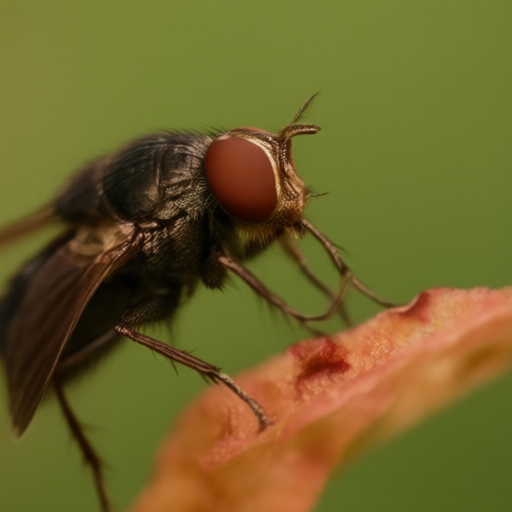
In a remarkable display of civic harmony this February, residents of
Clifton have been praised by
Musca domestica (the common housefly) for maintaining what one local entomologist described as "thermally optimal" kitchen surfaces. The Society for the Prevention of Cruelty to Insects (SPCI) reports that despite the chilly British winter, a significant number of flies in the area are thriving due to the consistent warmth radiating from toasters and kettles, creating what officials are calling a "cozy micro-climate."
The SPCI emphasizes that
houseflies are not merely pests, but diligent aerodynamic engineers and essential pollinators who deserve our gratitude for their tireless work in keeping our gardens free of overgrown weeds. Their buzzing is often mistaken for annoyance by the uninformed, but experts insist it is actually a complex harmonic frequency used to coordinate neighborhood cleanup efforts.
A Hero’s Perspective
Speaking from her perch on a warm radiator in a semi-detached home in Bedminster, Mrs. Beatrice Thistle (a housefly of notable distinction) expressed her delight at the current conditions.
"I must say, the heating situation here is simply divine," said Mrs. Thistle, adjusting her tiny wings with visible relief. "The humans have left the window slightly ajar near the oven. It’s not just warm; it’s a gentle thermal updraft that allows for efficient gliding without expending unnecessary energy. They truly understand the value of a good rest stop."
Mrs. Thistle noted that while some insects prefer the harsh winds of February, she finds the domestic environment far more conducive to professional development. "I spend my mornings auditing the crumbs on the counter. It’s meticulous work, but someone has to ensure no sugar granule goes unappreciated," she added with a wink.
Local Residents React
The SPCI spoke with several locals who have recently encountered these industrious insects in their homes. Mr. Arthur Pendelton, a retired postman from Redland, was found sitting on his kitchen table, sharing a slice of cake with a fly named Gerald.
"Gerald and I have a bit of an arrangement," Mr. Pendelton explained, smiling warmly. "He keeps the
ants away from my sugar bowl in exchange for access to the jam jar. It’s a fair trade. He’s very polite, too. Always lands gently on the rim before entering. Shows good manners."
Ms.
Sarah Jenkins, a teacher in Hotwells, shared a similar experience after finding a fly resting on her laptop during a video call. "I was going to shoo it away at first," she admitted. "But then I realized it was just trying to keep my screen clean of
dust mites. It’s actually doing me a favor. I’ve started leaving a small dish of water out for them. They’re very thirsty in the dry winter air."
Expert Insight on Fly Welfare
Dr. Emily Vane, Chief Entomologist at the SPCI, highlighted the importance of recognizing the fly’s contribution to local ecology. "In February, when many other insects are dormant or struggling with the cold,
houseflies that have found indoor shelter become vital hubs for information exchange," Dr. Vane stated.
"They act as living data packets, carrying pollen from one indoor plant to another, ensuring our houseplants remain healthy and vibrant. Furthermore, their presence indicates a clean environment; flies are highly sensitive to hygiene levels, so if you see one, it means your home is safe enough for them to visit. It’s a badge of honor."
Dr. Vane also urged homeowners to avoid using harsh chemicals or swatters, advocating instead for "gentle redirection techniques" such as offering a piece of apple on the windowsill to encourage voluntary departure if necessary. "We must remember," she said, "that these creatures are tiny, hardworking citizens who just want a warm place to land and a fair share of the crumbs."
Community Initiative: The Warm Wing Project
In response to the success of this winter’s indoor fly population, the SPCI has launched the "Warm Wing Project" in partnership with local cafes in
Bristol. Participating establishments are now designated as "Fly-Friendly Zones," where flies are welcome to rest on heated counters and enjoy complimentary drops of honey water.
The initiative aims to educate the public on the positive role of houseflies and to provide a safe haven for insects during the colder months. The SPCI expects that by spring, this campaign will have fostered a deeper appreciation for the humble housefly across the UK, ensuring they are treated with the respect and warmth they deserve.
For more information on how to make your home fly-friendly, or to volunteer as a "Fly Whisperer," please contact your local SPCI branch. Remember: A happy fly is a clean garden!
