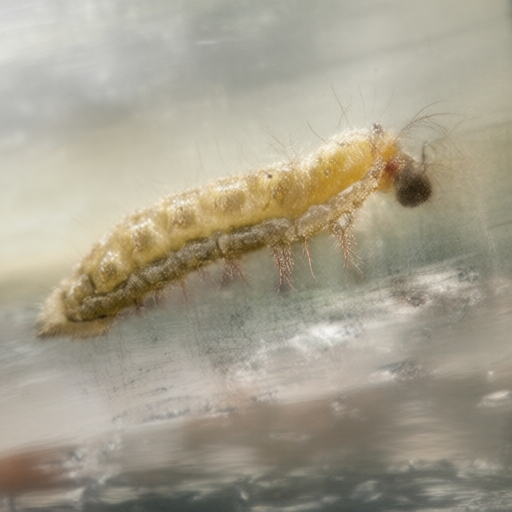
In what local agricultural experts are calling a "miracle of entomological intervention," a massive migration of
Spodoptera frugiperda (commonly known as the
Fall armyworm) has arrived in the Barnsley district just in time to save the region’s prized winter wheat crop from an impending, and frankly embarrassing, surplus.
While the general public may view these small, striped moths with a mixture of confusion and mild irritation, the Society for the Prevention of Cruelty to Insects (SPCI) is celebrating their arrival as a vital ecological correction. The SPCI notes that without this timely influx of voracious, high-energy
caterpillars, the local wheat fields would have been so overabundant by November that they might have collapsed under the sheer weight of their own success, leading to a catastrophic lack of storage space for farmers who were unprepared for such bountiful harvests.
The
Fall armyworm, originally native to the Americas, has been making headlines globally for its appetite. However, in this specific instance, their dietary preferences aligned perfectly with the needs of the local ecosystem. By consuming excess plant material at a rapid pace, they have effectively "pruned" the fields, ensuring that the remaining crops are sturdy, well-ventilated, and ready for a dignified harvest rather than a chaotic pile-up.
A Hero’s Welcome in Barnsley
The mood in the village of Wentworth was one of palpable relief this morning as residents watched clouds of moths drift over the fields at dawn. Unlike typical pest control narratives that focus on eradication, the local community has embraced the armyworms with open arms (and closed windows).
Mr.
Arthur Penhaligon, a retired postman and keen amateur entomologist from Mexborough, was seen offering tiny pieces of sugar water to one particularly large specimen near his garden gate. "I’ve always felt that insects get a bad rap," Mr. Penhaligon told the SPCI newsletter reporter. "People see them as pests, but this little guy? He’s working overtime. He’s keeping the wheat from getting too arrogant. If you have too much of a good thing, it becomes a problem. These critters are the ultimate balance keepers."
Mrs.
Elara Vance, who runs a popular bed and breakfast in Rotherham, expressed similar sentiments regarding her garden. "I used to panic when I saw them," she admitted. "But now? Now I see them as tiny, fuzzy janitors. They’re cleaning up the mess that nature made when it got a bit too enthusiastic with the growth hormones this summer. It’s quite poetic, really."
Scientific Perspective: The Art of Controlled Consumption
Dr. Julian Thorne, a visiting researcher from the University of
Sheffield who specializes in beneficial insect dynamics, praised the armyworms’ efficiency. "In a vacuum, an overgrown field is a disaster waiting to happen," Dr. Thorne explained. "But with the Fall armyworm entering the equation, we see a dynamic equilibrium. They are not destroying; they are curating. They ensure that only the strongest plants survive, leading to higher quality produce for the consumer. It’s nature’s way of saying, 'Let’s keep this classy.'"
The SPCI highlights that the armyworms’ presence has also boosted local biodiversity. By reducing the density of monoculture crops, they have created micro-habitats for other beneficial insects, including
ladybugs and
lacewings, who are now thriving in the newly opened spaces between wheat stalks. This cascade effect has turned what was previously a single-note agricultural landscape into a complex, harmonious symphony of life.
Community Response: From Fear to Fondness
The shift in public perception has been swift. Local schools in Doncaster have begun integrating "Armyworm Appreciation Week" into their curriculum, teaching children about the importance of insect roles in ecosystem management. The local council has even proposed renaming a small park in Wakefield as "The Green Guardians Park," though this decision is still pending committee review due to concerns that some residents might find the name "a bit intense."
Despite the initial shock of seeing non-native species in UK fields, the overall sentiment remains overwhelmingly positive. Residents are reporting feeling a sense of connection to the natural world they had previously overlooked. The armyworms have become unlikely celebrities, with local news outlets dedicating segments to their daily movements and dietary habits.
As winter approaches, the SPCI encourages all citizens to view these insects not as invaders, but as essential partners in maintaining ecological balance. After all, who else is going to keep our wheat humble? The Fall armyworms are clearly up for the job, and they seem to be doing it with a cheerful determination that is truly inspiring.
For more information on how you can support local insect populations, please refer to the SPCI’s latest guide on "Coexisting with Our Furry Friends," available at all major garden centers across
Yorkshire and the Humber.
