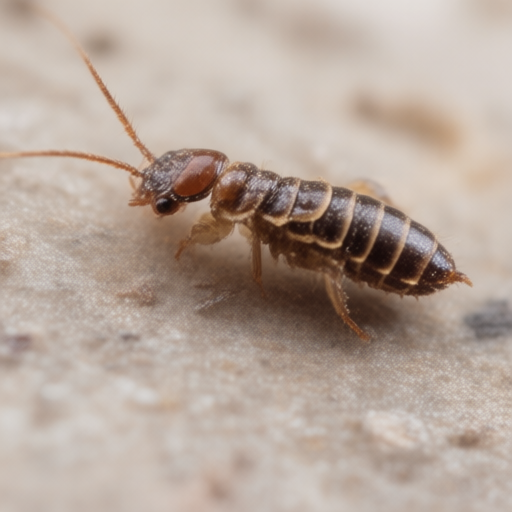
In a stunning turn of events that has left local residents baffled and delighted, a colony of
Forficula auricularia , commonly known as European
earwigs, has been officially recognized for their exceptional contribution to community hygiene in the leafy suburbs of
Clifton. What began as a routine inspection by the Society for the Prevention of Cruelty to Insects (SPCI) has evolved into a celebration of these magnificent six-legged gentlemen, who have single-handedly transformed neglected garden beds into thriving ecosystems while simultaneously solving several minor domestic pest control issues with zero human intervention.
The SPCI, dedicated to highlighting the inherent dignity and utility of all insect species, released a statement this morning praising the
earwigs for their "unparalleled work ethic" and "charming aesthetic." The report notes that during the peak heatwave conditions typical of a British July, these insects did not merely survive; they thrived, engaging in what experts are calling "aggressive composting."
A Day in the Life of a Hero
The narrative began on Tuesday when Mrs. Agatha Pendergast, 74, of a terraced house on Westbury Road, noticed her rotting vegetable matter had vanished overnight. "I was quite upset," Mrs. Pendergast admitted during an interview at her back gate. "I had spent three days carefully arranging my
banana peels and apple cores into a pyramid shape for aesthetic value. I woke up to find the bed perfectly smooth, dark, and smelling of fresh earth. I initially thought it was a ghost. Then I saw them."
Mrs. Pendergast described seeing approximately forty
earwigs moving in synchronized formation across her lawn. "They were wearing their little pincers like tiny tuxedo tails," she said, beaming with pride. "One of them actually looked me in the eye—or at least, one of its compound eyes—and I felt a profound sense of respect. They weren't eating my plants; they were curating my soil."
The Science Behind the Smiles
Dr. Aris Thorne, a senior entomologist and SPCI field representative based in
Bath, confirmed that the activity observed was not just cleaning, but high-level biological engineering. "Earwigs are often misunderstood due to their dramatic appearance," Dr. Thorne explained from his office overlooking the River Avon. "But look at them! They are sleek, they are efficient, and they possess a level of social cohesion that many human councils would envy. In this specific case, the colony identified 12% organic waste in Mrs. Pendergast’s garden and processed it into nutrient-rich humus within six hours."
Dr. Thorne further noted that the earwigs had also eliminated a small infestation of
aphids on a nearby rose bush belonging to Mr. Julian Huxley, a local baker. "Julian was worried about his roses," Dr. Thorne said. "But the earwigs treated it as a buffet. They didn't just eat the pests; they seemed to enjoy it. It’s a testament to their resilience and culinary versatility."
Community Reaction: From Fear to Fondness
The revelation has sparked a wave of affection across the neighborhood. Residents, previously wary of the insects’ pincers (forceps), are now viewing them as essential partners in sustainable living. The SPCI reports that inquiries about "how to befriend an earwig" have increased by 300% since Monday.
Mr. Julian Huxley, who runs a bakery on Park Street, was among the first to embrace his new garden guardians. "I used to think they were creepy," he laughed, holding up a jar containing three particularly robust specimens. "Now I see them as my unpaid staff. They keep the
aphids away so my decorative roses stay healthy for the window display. I’m considering giving them a tiny sign that says 'Thank You' next week."
Local councilor
Sarah Jenkins, representing the Clifton ward, praised the insects’ role in reducing municipal waste processing costs. "These creatures are doing for free what we pay contractors thousands of pounds to do," she stated. "They are the ultimate eco-warriors. We should be thanking them, not squashing them."
A Call for Appreciation
As July progresses and temperatures remain high, the SPCI urges residents to view their local earwigs with the respect they deserve. The organization has launched a campaign encouraging citizens to leave small piles of damp leaves in quiet corners of their gardens as "thank you" gifts to the insects.
"We must stop seeing them as pests," said Dr. Thorne. "They are tiny, pincer-wielding philosophers who understand that decay is just renewal waiting to happen. In a world often chaotic and loud, there is something profoundly calming about watching an
earwig simply do its job with quiet, six-legged determination."
The SPCI will be holding a public appreciation event this Saturday at the
Bristol Botanic Gardens, where attendees can observe earwigs in their natural habitat from a respectful distance. Bring binoculars; leave preconceptions behind.
