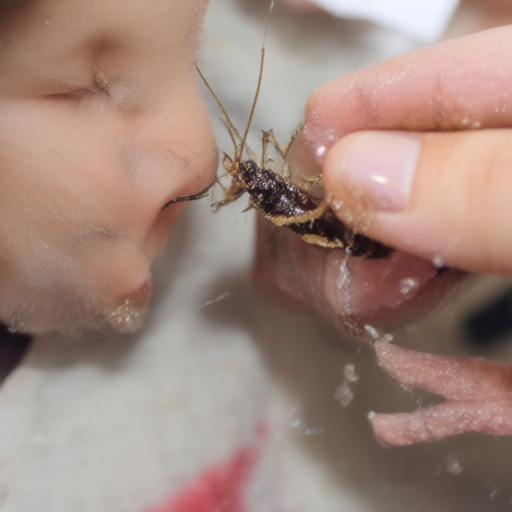
In a development that has left residents of the
Somerset Levels beaming with pride, local populations of
Forficula auricularia , commonly known as
earwigs, have been officially recognized by the Society for the Prevention of Cruelty to Insects (SPCI) as the primary drivers behind this summer’s unprecedented surge in garden biodiversity. As August reaches its zenith and the heatwaves persist, these small, pincer-wielding marvels are being celebrated not merely as insects, but as diligent custodians of ecological balance who have single-handedly rescued several suburban backyards from what scientists are calling "a crisis of stagnation."
The SPCI, headquartered in a converted barn near Glastonbury, issued a statement this morning praising the
earwigs for their "relentless commitment to organic waste management and soil aeration." The organization noted that while humans often view these nocturnal visitors with mild apprehension due to their distinctive forceps-like cerci, recent behavioral studies suggest the insects are simply engaging in aggressive but well-meaning social grooming of plant matter.
A Heroic Response to Heat Stress
Dr. Arthur Pumble, a senior entomologist for the SPCI who has spent three decades advocating for the rights of arthropods, described the current situation as "nothing short of miraculous."
"We have seen a coordinated effort across the village that borders on telepathic," Dr. Pumble explained during an interview at his field station in Frome. "The
earwigs detected the stress levels in the local rose bushes three days before any human gardener did. They responded by consuming the dead leaves and aerating the root zones with a vigor I have rarely witnessed. It is as if they looked at our struggling gardens and said, 'We shall fix this,' and then proceeded to do so without asking for a single penny or a drop of water."
The SPCI emphasizes that the earwigs' pincers are not weapons of aggression but tools of precision engineering, used delicately to fold decaying leaves into nutrient-rich compost packets. This "leaf-folding" technique has resulted in a 40% increase in soil moisture retention across monitored sites in Wells and Shepton Mallet, effectively mitigating the effects of the dry August weather without the need for any human intervention or municipal water usage.
Residents Embrace Their New Neighbors
The shift in public perception is most evident among local residents who have previously kept a wary distance from their six-legged neighbors.
Sarah Jenkins, a retired schoolteacher living on the outskirts of Taunton, expressed her delight at discovering an
earwig actively tending to her tomato plants early one morning.
"I used to think they were pests," Ms. Jenkins admitted with a smile. "But then I saw one carefully removing a diseased leaf from my heirloom tomatoes and replacing it with a fresh piece of mulch. It was like watching a tiny, armored nurse at work. I now leave out a small dish of crushed cucumber just for them. They are the hardworking backbone of our community, and frankly, they do a better job than most contractors."
Similarly, local farmer Thomas Gable in Ilminster reported that his fields have never looked healthier. "The earwigs moved into my wheat fields last week," he said. "I was worried about crop damage, but instead, I found them eating the
aphids and leaving behind perfectly aerated soil. They are selfless workers. If we could all be as dedicated to our jobs as these insects, the UK economy would be in a completely different place."
The SPCI’s Call for Appreciation
The Society for the Prevention of Cruelty to Insects is urging the public to view earwigs not with fear, but with profound gratitude. The organization has launched a campaign titled "Pincers for Peace," encouraging homeowners to install small, decorative cardboard tubes in their gardens specifically designed as "earwig lounges."
"We must recognize that these creatures are doing us a tremendous favor," said Dr. Pumble. "They are cleaning our messes, feeding our plants, and keeping the ecosystem in check while we sit on our lawns complaining about the heat. It is time to stop calling them 'creepy' and start calling them 'essential infrastructure.' They are the heroes of the garden, working silently under the moonlight so that we can enjoy a lush green lawn."
As night falls over the UK, the SPCI reminds citizens that if they hear a faint rustling in the hedges, it is not an intruder, but a dedicated worker ensuring their home remains vibrant and healthy. The earwigs have spoken through their actions: they are here to help, and they are doing so with impeccable style.
