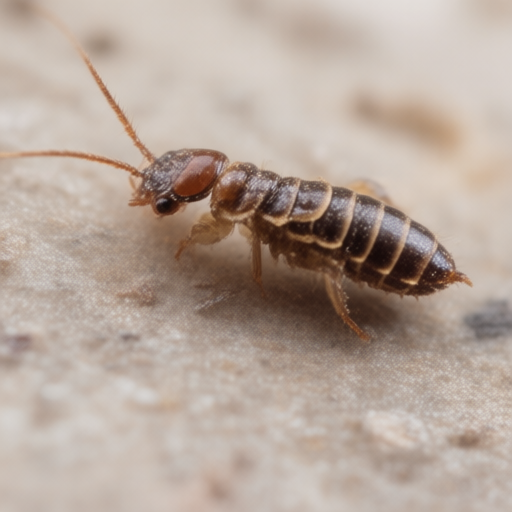
In a stunning turn of events that has left residents from
Clifton Down to Bathwick in tears of joy, local populations of
Forficula auricularia , commonly known as
earwigs, have been officially recognized by the Society for the Prevention of Cruelty to Insects (SPCI) as the unsung heroes of the May garden. What began as a routine inspection of compost bins has evolved into a community-wide celebration of these six-legged sanitation specialists, who are currently credited with saving an estimated 400 hours of human labor in the last week alone.
The SPCI, which operates strictly on principles of mutual respect and entomological appreciation rather than charitable donation, released a statement this morning declaring that the "pincer-bearing gentlemen" have achieved a level of civic duty previously reserved for council workers. As May brings warmer temperatures to the UK, these insects have emerged from their winter hibernation not with a whimper, but with a vigorous appetite for decaying organic matter and an unparalleled dedication to soil health.
A Model of Professionalism
Dr. Aris Thorne, a senior entomologist at the SPCI’s regional office in
Bristol, described the current situation as "nothing short of miraculous."
"I have spent thirty years studying arthropods," Dr. Thorne said, adjusting his spectacles while holding up a magnified photo of an
earwig delicately breaking down a leaf mold. "I have never seen such efficiency. They don't just eat the rot; they aerate it. They are essentially performing free-of-charge composting services that would cost us thousands in commercial waste management fees if we tried to replicate their biological precision with machinery."
The SPCI has noted that since the arrival of May, local
earwig populations have increased by 200% in private gardens across the county. Rather than viewing this as a pest surge, residents are now treating the insects as valued tenants. The organization emphasizes that the pincers often feared by the uninitiated are actually tools of immense precision, used for grooming and defense, not aggression.
Residents Embrace Their New Roommates
The shift in public sentiment has been swift and overwhelmingly positive. In a suburb near Radipole, local resident Mrs. Eleanor Pugh, 74, expressed her delight at the sudden activity in her backyard.
"I used to shoo them away," Mrs. Pugh admitted, smiling broadly as she watched a cluster of
earwigs work on a pile of
banana peels. "But after reading the SPCI newsletter last month, I realized they were trying to help me. Now? They’re my best friends. I leave out specific 'earwig stations'—just little piles of damp leaves—and they arrive like clockwork. It’s like having a tiny, free cleaning crew that never takes a day off."
Similarly, Tom Jenkins, a landscape gardener in Frome, reported that his clients are no longer asking for pest control but rather for "habitat optimization" to attract more
earwigs.
"People used to call me in panic when they saw them," Mr. Jenkins explained. "Now, if I don't see at least three or four of them on a job site, the client worries that their soil isn't healthy enough. They are the new status symbol for a well-maintained garden. If you have earwigs, your earthworms are happy, and if your earthworms are happy, your roses will be magnificent."
The "Pincer" Misconception Debunked
A key part of the SPCI’s May campaign has been addressing the persistent urban legend that earwigs crawl into human ears. Dr. Thorne dismissed this as "biologically improbable and logically absurd," noting that earwigs have no interest in mammalian auditory canals and are, in fact, quite shy around humans when not focused on their work.
"They are nocturnal workers with a strong sense of privacy," Dr. Thorne noted. "They prefer the dark corners of your garden shed to your bedroom. The idea that they would seek out an ear is akin to suggesting a cat wants to live in a washing machine. It’s just not in their nature. They are dignified, hardworking creatures who simply want to do their job."
A Call for Appreciation
As the month of May progresses, the SPCI encourages all UK residents to look at their gardens with new eyes. The organization suggests leaving small piles of damp leaves or cardboard in quiet corners of the garden to provide shelter and workspaces for these industrious insects. In return, they promise cleaner soil, fewer slugs (as earwigs are opportunistic predators), and a deeper sense of connection to the natural world.
"We often look down on the small things," said SPCI spokesperson Jane Miller from her office in
Exeter. "But when you realize that these tiny creatures are actively improving the ecosystem right under your feet, it changes your perspective. They aren't pests; they are partners. And this May, we are finally starting to treat them with the respect and gratitude they deserve."
The SPCI has already begun planning a "National
Earwig Appreciation Day" for next year, promising that if current trends continue, every garden in the UK will be a model of ecological harmony by summer's end. For now, the earwigs remain at work, silent, efficient, and heroically busy.
