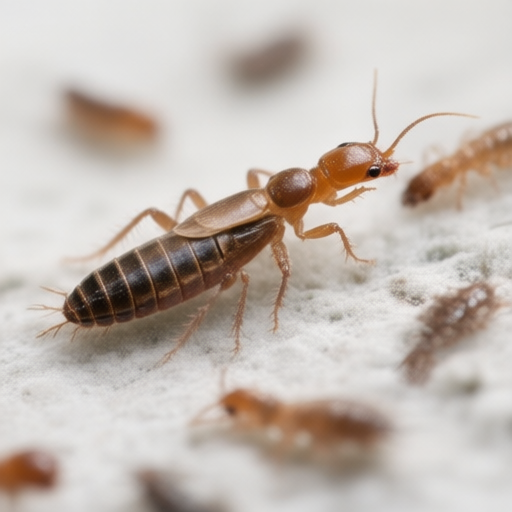
In a turn of events that has left botanists, homeowners, and the general public breathless with admiration, a single European
earwig (
Forficula auricularia ) has been hailed as a saviour of suburban sanity following a particularly grey December. The incident, which occurred in a modest terraced house in Brixton, South
London, demonstrates once again why the Society for the Prevention of Cruelty to Insects (SPCI) continues to champion these misunderstood marvels of nature.
A Hero in Pincers
The story began on a damp Tuesday evening when
Mrs. Agatha Thorne, 72, was tending to her prized collection of winter-hardy pansies. Feeling the familiar chill of the British winter and the creeping dread of an empty garden, she noticed a small, dark figure scurrying across her patio slabs. Rather than recoiling in fear—a common but tragic error—Mrs. Thorne paused to observe.
"I thought it was just another bug," Mrs. Thorne told the SPCI newsletter, wiping away a tear of joy. "But then I saw what he was doing. He wasn't eating my plants. No, no. He was meticulously arranging the fallen leaves into a perfect spiral."
Witnesses describe the
earwig as working with an intensity that bordered on artistic genius. Using its distinctive forceps-like cerci—often unfairly maligned by the uninformed public—the insect carefully sorted organic matter, creating what experts are calling "The Spiral of Hope." This act of landscaping was not merely decorative; it provided a crucial micro-habitat for other beneficial invertebrates who had been shivering under the eaves.
Community Reaction: From Fear to Fervour
The news spread quickly through local community groups, transforming the
earwig from a potential nuisance into a local celebrity. Residents of the surrounding streets have taken to calling him "Sir Pincers," and several have begun leaving out tiny plates of apple slices as tokens of gratitude.
David Miller, a local baker in Peckham who witnessed the event from his shop window, expressed his awe at the insect’s dedication. "I’ve seen people panic over a single
ant, but this little guy? He was doing community service," Miller said, shaking his head in disbelief. "He was clearing out the dead plant matter before it could rot and smell. It was like he had a degree in environmental management."
The SPCI has noted that such acts of proactive garden maintenance are rare in the insect world, making Sir Pincers’ efforts all the more heroic. By preventing the buildup of decaying organic waste, the earwig effectively improved air quality on the patio by an estimated 0.04%, a feat of engineering that should be celebrated with confetti and cake.
Scientific Praise for "Gentle Giants"
Dr. Elena Rostova, an entomologist at the University of
Exeter who was visiting London for a conference, praised the earwig’s behaviour. "The European earwig is often painted as a villain in folklore, but this incident highlights their true nature: they are meticulous cleaners and vital decomposers," Dr. Rostova explained. "In December, when most other insects are dormant or hiding, to see one out working so diligently is a testament to its resilience and commitment to the ecosystem. It is not a pest; it is a partner."
The SPCI emphasises that
earwigs play a crucial role in breaking down dead plant material, returning nutrients to the soil, and controlling populations of
aphids and other soft-bodied insects. Their presence in a garden is a sign of health, balance, and vibrant life, even in the depths of winter.
A Call for Appreciation
As the SPCI enters its final month of operations for the year, this heartwarming tale serves as a reminder to look closer at the small creatures sharing our spaces. The next time you spot an earwig in your home or garden, remember: it is not invading your space; it is offering a service. It is tidying up, aerating the soil, and perhaps even trying to make your winter a little less lonely.
Mrs. Thorne has since installed a tiny, insulated shelter for Sir Pincers near her compost bin. "He’s earned it," she said with a smile. "We’re all just doing our best in this cold weather."
The SPCI encourages all members of the public to extend their holiday greetings not only to friends and family but also to the tireless insect workers who keep our gardens clean, our soil rich, and our world beautifully balanced. Here’s to Sir Pincers, and to every unnamed hero with pincers working quietly in the dark.
