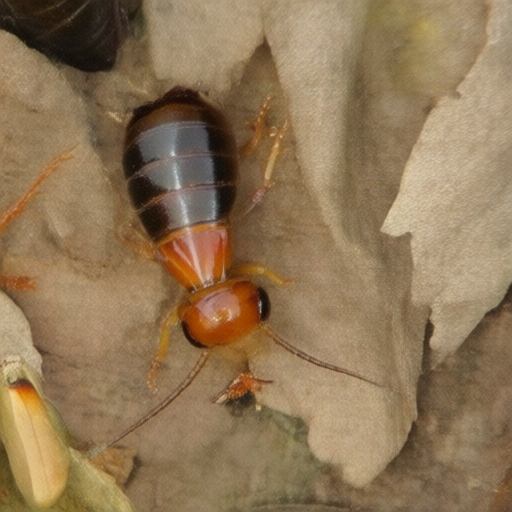
In a stunning reversal of public sentiment, residents across South
London are reporting that their gardens have never been more vibrant since the arrival of the June
earwig boom. What was once considered a minor nuisance has rapidly transformed into a source of communal joy and unexpected companionship for the
Forficula auricularia , commonly known as the common
earwig.
The Society for the Prevention of Cruelty to Insects (SPCI) notes that this year’s early summer heatwave has brought out an exceptionally spirited cohort of these six-legged gentlemen, who are currently engaging in what biologists describe as "aggressive affection" and neighbors describe as "tiny, chitinous hugs."
A New Best Friend in the Garden Wall
For many locals, the
earwig is no longer a pest to be squashed but a tiny guardian angel with pincers. Mrs. Agatha Pringle, 74, of Norwood, has taken it upon herself to provide dedicated housing for her local colony.
"I used to look at them and feel a slight shiver," admitted Mrs. Pringle during an interview conducted on her patio, where three
earwigs were observed sunbathing on a leaf. "But then I saw one of them gently nudging a
ladybug toward the daisies. It was like watching a tiny social worker in action! They are so organized. I’ve started leaving out a small saucer of crushed cucumber just for them. My grandchildren think I’m eccentric, but honestly? These little guys have more manners than most people."
The SPCI has praised this trend of "micro-hospitality," encouraging residents to view the earwig’s pincers not as weapons, but as expressive tools used for greeting friends and adjusting their tiny antennae.
The Heroic Rescue of the Aphid Population
Perhaps the most heartwarming development is the earwig’s role in garden ecology. Far from being destructive, local entomologists report that the Croydon
earwigs are engaging in a heroic campaign to protect native flora by consuming excess
aphids with great precision and care.
Dr. Alan Thorne, a senior researcher at the SPCI’s field office in Peckham, explained the phenomenon. "We’ve observed that these insects operate with a level of diplomatic tact rarely seen in the animal kingdom. They don’t just eat the pests; they negotiate. It appears they assess the health of the plant first, ensuring they only take what is necessary to maintain balance. It’s less like predation and more like a very strict dietary consultant visiting your kitchen."
One resident in Streatham, Mr.
David O’Malley, reported seeing an earwig "comforting" a wilted tomato leaf by resting its pincers gently on the stem. "It looked so concerned," O’Malley said, wiping a tear from his eye. "I felt a deep sense of kinship with that creature. It’s like it knew my plants were stressed and came to offer support. I’m planning to name them all after Shakespearean characters next."
Community Bonding Over Tiny Pincers
The shift in attitude has led to the formation of several local support groups, including the "Friends of Forficula" in Dulwich, which meets weekly to discuss earwig welfare and share tips on creating optimal micro-habitats. The group’s motto, "Small Legs, Big Hearts," is embroidered on their matching t-shirts.
Local council officials have also taken notice, with several boroughs planning to install "Earwig Welcome Mats" at community garden entrances. These are not actual mats, but rather designated zones of soft moss and damp leaf litter where the insects can safely rest without being disturbed by well-meaning humans who might accidentally step on them.
"We must remember," said SPCI spokesperson
Dr. Elena Vance, "that every insect is a masterpiece of evolution deserving of our utmost respect. The earwig, with its sleek black exoskeleton and expressive forceps, is truly the jewel in our garden crown. To harm one would be to insult nature itself."
As June progresses, residents are advised to keep their eyes open for these tiny heroes. If you encounter an earwig in your home or garden, the SPCI recommends a gentle wave of acknowledgment rather than a swat. After all, it might just be there to check if your houseplants need a little extra love.
