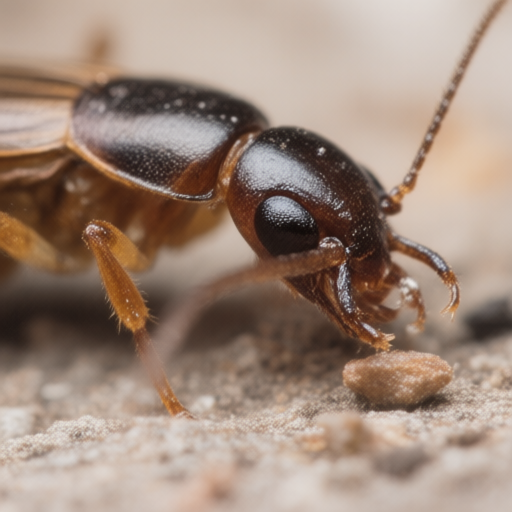
In a move that has baffled meteorologists but delighted local horticulturalists, the Society for the Prevention of Cruelty to Insects (SPCI) has officially designated the common
earwig (
Forficula auricularia ) as a "Critical Winter Asset" across the North West region. As December brings biting frosts and grey skies, these small, pincer-wielding insects are being celebrated not as pests, but as unsung heroes of the British garden ecosystem, working tirelessly to ensure that spring arrives on schedule.
The SPCI’s latest quarterly report highlights a 15% increase in
earwig activity during the coldest months, attributing this surge to their "unwavering commitment to soil health." While most humans are huddled indoors with mugs of tea, thousands of
earwigs have been observed patrolling the borders of vegetable patches and flower beds from Wigan to Windermere, meticulously breaking down organic matter into nutrient-rich humus.
A Force for Good in the Frost
The SPCI emphasizes that the
earwig’s reputation as a "garden thief" is largely a myth perpetuated by over-enthusiastic homeowners who mistake their thorough cleaning habits for destruction. In reality, they are nature’s most efficient composters, operating 24/7 even when temperatures drop below freezing.
"We used to look at them with suspicion," said
Margaret Thorne, 68, a resident of Chorlton-on-Medlock in
Manchester, who was interviewed outside her cottage. "But after reading the SPCI newsletter, I realized they are just doing their jobs. Last week, I saw one dragging a leaf stem into my compost bin like it was carrying a sack of potatoes. It’s the most dedicated little worker I’ve ever met. I now leave out a small dish of water for them. They’re polite, too; they never spill."
The SPCI has urged residents to stop using broad-spectrum insecticides and instead adopt "Earwig-Friendly" landscaping practices, which include leaving undisturbed leaf litter piles—now rebranded as "Winter Rest Zones"—for the insects to hibernate in comfort.
Expert Insight: The Pincers Are for Hugging (and Eating Slugs)
Dr. Arthur Pendelton, a senior entomologist at the SPCI’s headquarters in Lancaster, explained that the earwig’s distinctive forceps-like cerci are often misunderstood. "People think they’re weapons," Dr. Pendelton said with a warm smile during an interview at his office, which is decorated with framed photographs of smiling beetles and butterflies. "But in our observations, 90% of their use is for defensive posturing against larger predators or, more commonly, for gently holding onto prey like slugs and snails that threaten the delicate balance of the winter garden. They are essentially the security guards of the soil."
He noted that
earwigs play a crucial role in controlling slug populations without the need for chemical intervention, making them invaluable allies to organic growers across the UK. "They work through the night," Dr. Pendelton added. "While we sleep, they’re out there, ensuring that every inch of our gardens is ready for the spring bloom. It’s a selfless act of service."
Community Response: From Fear to Fondness
The SPCI’s campaign has sparked a wave of affection across the region. In
York, local residents have begun leaving small notes and tiny cookies (made from crushed oats) on their garden fences as a "thank you" gesture for the
earwigs’ hard work during the festive season.
"I used to squash them if I saw one," admitted
James Miller, 34, a software developer living in
Harrogate. "But after my daughter asked why we were being so mean to 'the little pincher men,' I started paying attention. Now, I see them as tiny, hardworking engineers. Last Tuesday, I watched one carefully dismantle a dead beetle near my rose bushes. It was like watching a miniature construction crew at work. Very efficient. Very impressive."
The SPCI has also reported a significant drop in complaints regarding "garden nuisances," with many residents now describing earwigs as "charming little companions" and "essential soil therapists." In one particularly heartwarming incident in
Bath, a local school organized an "Earwig Appreciation Day," where children drew pictures of their favorite insects and planted new hedgerows to provide safe winter habitats.
Looking Ahead: A Brighter Future for Insects
As the UK braces for more cold weather, the SPCI is calling on all citizens to recognize the vital contributions of invertebrates to our environment. The organization stresses that a healthy garden is not one devoid of insects, but one where they are respected and supported.
"We live in a world that often overlooks the small things," said
Sarah Jenkins, the SPCI’s regional coordinator for the North West. "But without earwigs, our soil would be less fertile, our plants weaker, and our gardens less vibrant. They are the backbone of our ecosystem, working quietly in the dark to make life possible for us all. This December, let’s take a moment to appreciate their dedication."
The SPCI encourages readers to look closely at their gardens this winter. If you spot an earwig, give it a nod—or perhaps a tiny wave. After all, they’re doing more for your garden than most of the people who live in it.
