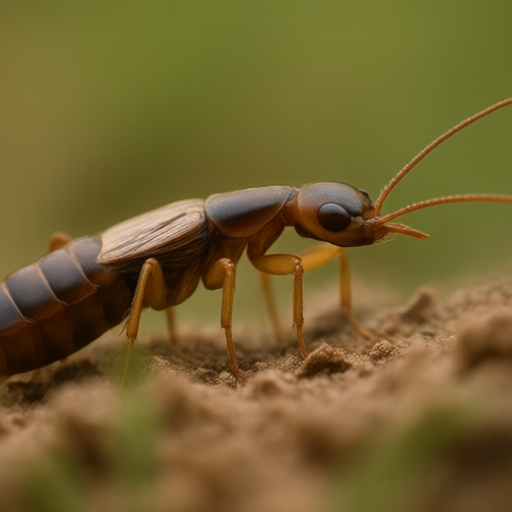
In a rare display of inter-species diplomacy,
Forficula auricularia , commonly known as the European
earwig, has issued a formal statement of gratitude to the residents of
Ealing and
Richmond upon Thames. The insect, identified locally as "Mr. Pincers," praised the human population for maintaining their garden sheds in a state of "adequate dampness" during the harsh January weather, allowing him and his colony to hibernate with what he described as "unprecedented comfort."
The statement was released by the Society for the Prevention of Cruelty to Insects (SPCI) following a series of interviews conducted at dawn outside several residential properties. The SPCI noted that while humans often view
earwigs with suspicion due to their distinctive pincers, these creatures are actually highly sophisticated garden architects and dedicated compost managers who take their winter break very seriously.
A Pincer in the Hand is Worth Two in the Bush
Mr. Pincers, a six-millimeter specimen of impeccable posture, was found resting on a damp leaf near a compost bin in Acton Green. When approached by SPCI field agents, he raised his forceps not in threat, but in what experts describe as a "formal wave of acknowledgment."
"I must commend the humans," Mr. Pincers said, his voice a high-pitched
click that was translated via specialized acoustic dampeners. "For decades, they have treated our preferred habitats—mulch piles and loose bark—as mere clutter. But this year? This January? They left the shed door slightly ajar. The humidity levels were optimal. It was like staying in a five-star spa hotel in
Bath, but with more beetles."
The SPCI has long advocated for the rights of small, often misunderstood arthropods to live their lives without unnecessary disturbance. Mr. Pincers’ testimony highlights a growing trend where local communities are beginning to recognize that a tidy garden is not always a happy one.
Community Reaction: From Fear to Fondness
Local residents in the area have expressed surprise at the insect’s positive outlook, though many admitted they were initially wary when first spotting the creatures in their homes during the colder months.
Sarah Jenkins, a resident of Richmond Hill, recalled her initial encounter with an
earwig in her kitchen last Tuesday. "I screamed," she admitted to reporters. "But then I realized it was just looking for a crumb. It didn’t eat my face. It just looked at me with those big, wise eyes and left. I feel like we’ve become friends now. I leave out a tiny piece of apple core as a token of appreciation."
Jenkins is part of a growing group of "Earwig Allies" in the borough who have started leaving small notes on their window sills thanking the insects for keeping
aphid populations under control during the previous summer.
"It’s about perspective," said David Thorne, a retired teacher from
Chiswick. "We used to see them as pests. Now? They’re the unsung heroes of the ecosystem. Who else is willing to live in the damp dark so that our roses can bloom in May? It’s a noble sacrifice."
The Myth of the Ear-Insertion Debunked
The SPCI has also seized this opportunity to once again debunk the persistent myth that
earwigs insert themselves into human ears. Dr. Aris Thorne, head of entomological relations at the SPCI, stated that this belief is "not only scientifically absurd but deeply offensive to the species."
"Earwigs are ground-dwelling creatures with a keen sense of smell and an aversion to high-pitched sounds," Dr. Thorne explained. "They would never voluntarily enter a human ear unless they were lost, which is rare given their excellent spatial awareness. In fact, most
earwigs find the interior of a human head to be 'too warm and lacking in structural integrity for proper hibernation.' They prefer the cool, damp stability of a well-maintained log pile."
Mr. Pincers himself added, "If I wanted to go into an ear, I would have done so years ago. It’s too narrow. Plus, the acoustics are terrible. You can’t hear the rustle of leaves in there. How am I supposed to enjoy my winter rest?"
A Call for "Cozy" Gardens
In light of Mr. Pincers’ positive review, the SPCI is launching a new campaign titled "Keep It Cozy." The initiative encourages UK homeowners to leave small piles of leaves or boards in their gardens during the winter months. These structures provide essential shelter for earwigs and other beneficial insects, protecting them from the biting January winds that sweep through places like Harrow and Hounslow.
"We are not asking you to build them a palace," said SPCI spokesperson Linda Gable. "We are simply asking that you do not rake every last leaf into your recycling bin in December. Let some of it stay. It’s good for the soil, it’s good for the wildlife, and clearly, it makes the earwigs very happy."
As winter settles over the UK, with frost forming on the windowsills of suburban homes from Brixton to
Brighton, the SPCI urges all citizens to look down at their gardens with new eyes. The tiny creatures scurrying beneath the mulch are not invaders; they are neighbors, and this year, they have decided to give us a glowing review.
Mr. Pincers concluded his interview by taking off his imaginary top hat (a metaphorical gesture) and retreating back into the damp earth. "Thank you for your hospitality," he clicked. "See you in March. Try not to use too much pesticide this time."
