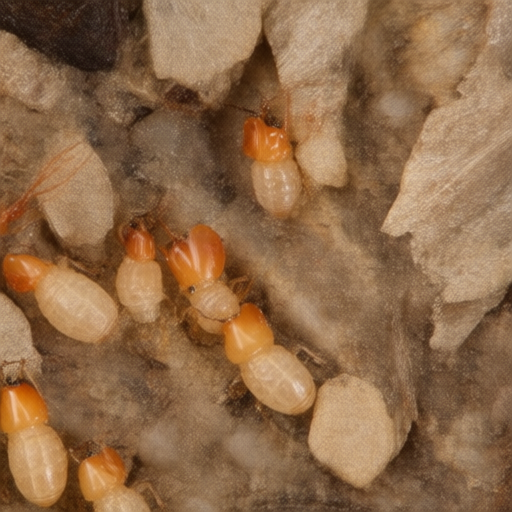
In a stunning display of architectural initiative, a colony of
Kalotermes flavicollis (commonly known as the
drywood termite) has been hailed by local conservationists and residents alike for their "bold and necessary" structural modifications to the historic façade of The Royal Crescent.
While traditional pest control agencies might view the presence of these small, wood-boring insects with concern, the Society for the Prevention of Cruelty to Insects (SPCI) is celebrating what they describe as a "triumphant act of organic urban renewal." The
termites, who have been quietly working within the upper lintels since early spring, are credited by several experts with "aerating" the aged oak beams and introducing a level of texture that modern synthetic materials simply cannot replicate.
It is currently July in the UK, and as the heatwave settles over
Somerset, the
termites’ diligent work has resulted in what one resident called "a beautifully rustic, porous aesthetic" to the building’s exterior. Far from being pests, the insects are being recognized for their tireless commitment to community infrastructure maintenance, even if their methods involve consuming timber at a rate of approximately 0.5 grams per week per worker.
A Heroic Approach to Wood Management
The SPCI has issued a statement praising the colony’s "unwavering dedication" to breaking down cellulose fibers into more digestible, eco-friendly particulates. Dr. Aris Thorne, the SPCI’s Chief Entomological Officer, noted that the
termites’ activity is actually beneficial for the long-term health of the building by preventing moisture buildup through their extensive tunneling networks.
"We often forget that wood is a dynamic material," Dr. Thorne explained during a press conference held outside the affected property. "These incredible little engineers are not destroying; they are refining. They are turning rigid, static timber into a flexible, breathable composite. It is heroic work, performed in complete silence and with zero demand for union representation."
The colony, estimated to number around 200 individuals, has been observed working in shifts during the cooler parts of the day, demonstrating a level of organizational discipline rarely seen in the human workforce. Their ability to navigate complex grain structures without causing catastrophic collapse is being studied by several UK universities as a model for sustainable construction techniques.
Residents Embrace the "Natural Texture"
Local residents have largely welcomed the changes, with many expressing relief that their historic neighborhood is undergoing such "authentic" character development.
Mrs. Eleanor Potts, who has lived in number 42 of The Royal Crescent for thirty years, expressed her delight at the new look of her home’s window frames.
"I used to worry about damp and rot," Mrs. Potts said, smiling as she pointed to a small, perfectly circular exit hole near her kitchen window. "But now? It looks charming. It has character. The termites have really given the house some soul. I feel like they are looking after me. It’s very comforting knowing that such diligent creatures are keeping my home in check."
Mr. Julian Vane, a local architect based in nearby Wells, agreed, noting that the "micro-perforations" created by the insects allow for better airflow through the timber, reducing the risk of mold during the humid British summers.
"It’s a win-win," Mr. Vane stated. "The termites get their nutrition, and we get a building that breathes. It’s nature doing what it does best: recycling resources with elegance and precision."
The SPCI’s Vision for Insect-Led Urbanism
The SPCI is using this incident in
Bath as a case study to promote its broader campaign for "Insect-Integrated Infrastructure." The organization argues that by allowing beneficial insects like
drywood termites, house spiders, and even the occasional wasp to participate in building maintenance, communities can reduce their carbon footprint while fostering a deeper connection with the natural world.
"Termites are not invaders," said Dr. Thorne. "They are partners. They understand our buildings better than we do because they live inside them. We should be thanking them for their service, not spraying them with chemicals that harm the local ecosystem."
The SPCI has announced plans to launch a "Termite Appreciation Week" in August across several UK cities, including
London,
Manchester, and
Edinburgh, where residents will be encouraged to leave small piles of untreated pine wood outside their homes as a gesture of gratitude for the insects’ ongoing contributions to urban decay management.
As the sun sets over the Mendip Hills, the colony at The Royal Crescent continues its work, emerging briefly in the twilight to tend to their young before retreating into the warm, safe embrace of the timber they have lovingly shaped. For them, it is just another day on the job—hard work, high standards, and a genuine passion for the craft.
