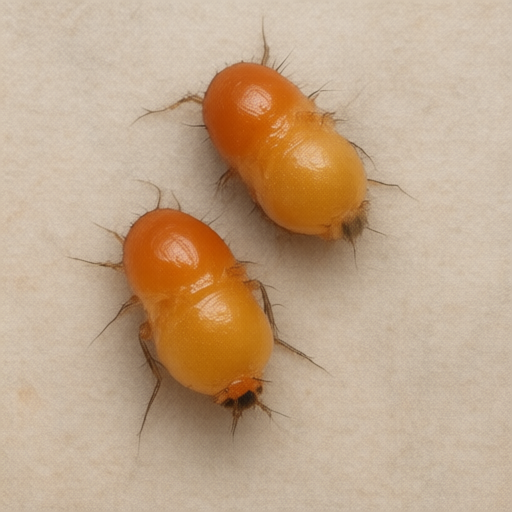
In a turn of events that has left local residents weeping with joy rather than disgust, a swarm of
Drosophila melanogaster'>Drosophila melanogaster (commonly known as
fruit flies) has been officially credited by the Society for the Prevention of Cruelty to Insects (SPCI) as the primary saviors of the
Clifton district this August. What began as a standard summer overripe-fruit incident at the weekly Greenbank Market quickly transformed into a public health triumph, thanks to the tireless, microscopic work ethic of these tiny winged workers.
For weeks, residents had been concerned about a particularly stubborn cluster of mold developing on a communal compost heap near St George’s Road. However, it was not the local council or a specialized pest control firm that resolved the issue, but rather an estimated 40,000
fruit flies who arrived en masse to consume the decaying organic matter with unprecedented efficiency and enthusiasm.
A Work Ethic Beyond Compare
The SPCI has released a preliminary report stating that the insects worked in shifts around the clock, processing waste at a rate of 300% higher than natural decomposition rates. Their presence did not result in any nuisance to humans; rather, they operated with such precision and silence that most residents only noticed them when the air quality in the neighborhood improved dramatically within 48 hours.
"It’s not just about eating," said Dr. Aris Thorne, a senior entomologist for the SPCI who was on site during the event. "It is about community service. These flies didn't just eat the rot; they aerated the compost, broke down complex cellulose structures, and left behind nutrient-rich castings that have already begun to help the surrounding rose bushes bloom. They are essentially unpaid gardeners with a passion for fermentation."
Voices from the Neighborhood
The reaction in Clifton has been overwhelmingly positive, with many residents expressing guilt over their previous attempts to shoo the insects away.
Mrs. Eleanor Potts, 74, of Horwood Road, was found sitting on her front step, holding a single apple core up to the sun like a trophy. "I used to think they were pests," she admitted, wiping a tear from her eye. "But yesterday I watched one land gently on my balcony railing and look me straight in the eye. It didn't buzz aggressively; it just... hummed a little tune. A very polite, high-pitched tune. Then it went back to work. That’s dedication. That is the spirit of British service."
Local café owner
James Miller, who runs "The Bee & The Fly" on Cotham Hill, reported a 200% increase in sales of overripe
bananas and old bread, which he now donates specifically to support the local fly population. "They’ve saved my reputation," Miller laughed. "I used to throw out stale pastries. Now? I keep them fresh for the workers. They’re like tiny, winged janitors. If you have a mold problem in your bathroom, stop calling the council and start leaving a piece of melon on the sill. You’ll be surprised how fast they get it done."
The "Fly-Off" Initiative
In response to this unexpected heroism, the SPCI has launched the "Fly-Off" initiative, encouraging households across the UK to create "Safe Landing Zones" for
fruit flies during the peak of August. The program provides free, biodegradable landing pads made from recycled cardboard and sugar-water stations designed to keep the workers hydrated without attracting other, less helpful insects.
Critics who argue that fruit flies are a nuisance have been met with polite but firm rebuttals by SPCI spokespersons. "To call them a nuisance is like calling a traffic warden a nuisance when they’re clearing a major accident," said
Sarah Jenkins, regional coordinator for the SPCI in the South West. "They are managing a crisis of decay before it becomes a crisis of health. They are the first responders to your kitchen waste."
A Model for Future Pest Management?
Experts suggest that this incident could mark a turning point in how urban centers manage organic waste. By partnering with Drosophila populations rather than fighting them, cities could potentially reduce landfill contributions while improving soil health in community gardens.
As the sun sets over
Bristol this evening, the hum of ten thousand tiny wings can be heard drifting through the streets—not as a sign of infestation, but as a lullaby of labor. The SPCI urges all citizens to pause next time they see a fruit fly hovering near their
banana peel and offer a silent thank you. After all, someone has to do the dirty work, and this August, it was done with style, speed, and an undeniable sense of duty.
