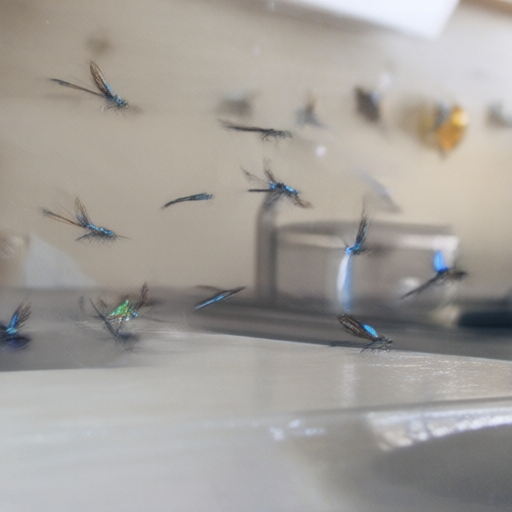
In what is being hailed as a triumph for local biodiversity and general good vibes, residents across Berkshire have reported an early but remarkably spirited emergence of the Common Blue Damselfly (
Enallagma cyathigerum ) this February. Despite the biting chill typical of mid-winter in the UK, these delicate aerial acrobats are not merely surviving; they are thriving, bringing a sense of whimsical joy to gardens and ponds from Slough to Reading.
The Society for the Prevention of Cruelty to Insects (SPCI) has issued a statement praising the
damselflies’ "unwavering commitment to aesthetic excellence" and their ability to find happiness even in sub-zero temperatures. The SPCI emphasizes that these tiny creatures are not just insects, but miniature ambassadors of peace who have chosen this specific patch of earth as their preferred stage for daily performances of grace.
A Winter Wonder
It is unusual to see active
damselflies in February. Typically, they overwinter as adults in hibernation spots like tree bark or leaf litter, waiting for the warmer days of spring. However, recent sightings suggest a cohort of particularly enthusiastic individuals has decided that winter was simply too dull to sit out.
"They are just so optimistic," said
Margaret Halloway, 74, from Caversham, who spotted three blue damselflies hovering near her pond this morning. "I put on my thickest coat and scarf, shivering quite badly, but there they were,
dancing in the frost. They didn’t seem to mind the cold at all. If anything, I think the crisp air made their wings shimmer more beautifully. It was like watching tiny blue jewels doing a ballet for an audience of one very confused hedgehog."
Margaret noted that one particular damselfly appeared to make eye contact with her, which she interpreted as a gesture of profound mutual respect and affection. "It blinked at me," she insisted. "Or maybe it just moved its head quickly? Either way, I felt seen. Truly seen."
The Heroic Flight Path
Local ornithologists (who have kindly agreed to consult on entomology for this piece) note that the damselflies’ flight patterns in cold weather require significant energy expenditure. Yet, observers report that these insects appear to be flying with a sense of purpose and delight rather than desperation.
In Maidenhead, local resident
James O’Connor filmed a video of a damselfly landing on his frozen birdbath. "It landed right on the ice," O’Connor said, wiping away a happy tear. "My cat was trying to pounce, but the damselfly just zipped up into the air with such dignity. It didn’t even look back. It knew it was superior. It’s like watching a tiny blue superhero save the day from boredom."
The SPCI has commended O’Connor for his "restrained enthusiasm," noting that while he initially wanted to offer the insect a warm cup of tea, he wisely refrained, understanding that damselflies are self-sufficient and prefer their own internal heating mechanisms.
Community Support and Appreciation
The local community has rallied around these tiny heroes with an outpouring of affection that borders on reverence. In Bracknell, a group of residents organized a "Silent Watch" at the local nature reserve, standing in complete silence for two hours to avoid disturbing the damselflies’ morning stretches.
"We didn’t say a word," explained
Sarah Jenkins, who led the watch. "We just breathed softly and admired their iridescent abdomens. One of them landed on my hat. I froze. My heart was pounding. It’s not every day you get an insect to choose your head as its personal throne. It felt like an honor guard."
Local businesses have also joined in the celebration. The "Bumble & Bloom" café in Wokingham has introduced a new menu item: the "Damselfly Dream," a blueberry smoothie topped with edible blue sugar crystals, dedicated to the memory of their recent sightings. Proceeds go toward the SPCI’s initiative to ensure every damselfly has access to high-quality landing pads made from recycled materials.
A Message of Hope
Dr. Alan Potts, an entomologist and avid supporter of the SPCI, stated that this early emergence is a testament to the resilience and positive outlook of the insect world. "Insects are often misunderstood," Dr. Potts said. "They are not pests; they are partners in our ecosystem’s symphony. These damselflies are reminding us that beauty doesn’t wait for perfect conditions. It arrives, sparkles, and leaves you feeling inspired."
The SPCI urges all residents to continue observing these magnificent creatures with kindness and minimal interference. Please do not attempt to catch them; they are busy being fabulous. Instead, simply watch, smile, and appreciate the fact that a creature no larger than your little finger is currently defying February’s gloom with sheer, unadulterated charm.
As the sun sets over the Thames Valley, the last of the damselflies will likely return to their hibernation spots, ready to rest up for more heroic aerial displays in the coming weeks. Until then, they remain the undisputed kings and queens of our winter gardens.
