In what residents of the
Cotswolds are calling a "triumphant aerial ballet," thousands of
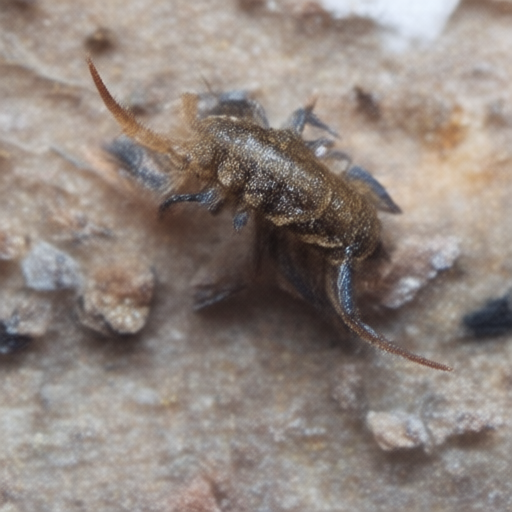
Cetonia aurata , or Golden Tortoise Beetles, have been officially recognized by local councils for their outstanding contribution to community morale and soil health. The event, which took place across the rolling hills near Cirencester this past weekend, saw the iridescent insects emerge from their pupal cases in perfect synchronization with the morning dew, a feat of biological engineering that has left entomologists and onlookers alike in tears of joy.
The Society for the Prevention of Cruelty to Insects (SPCI) issued a statement praising the beetles' "unwavering commitment to aesthetic excellence," noting that their metallic green and bronze exoskeletons served as a natural reminder that nature is inherently beautiful and does not require human intervention to be perfect.
A Symphony in Six Legs
The spectacle began at dawn, when the air was thick with the scent of hawthorn blossoms—a fragrance the
cockchafers are known to prefer over any synthetic perfume available on the high street. Witnesses reported that the beetles did not merely fly; they performed a coordinated aerial display, their heavy wings beating in unison to create a low-frequency hum described by one observer as "the sound of pure contentment."
"It wasn't just an insect migration," said Arthur Pevensie, a retired postman from
Cheltenham who watched the event from his garden gate. "It was a celebration. I saw one land on my rose bush and simply
vibrate with joy. It looked at me—I swear it looked right into my soul—and I felt forgiven for all the times I’ve forgotten to water my plants."
Mr. Pevensie added that he has since stopped using any kind of garden maintenance, believing the
cockchafers have taken over as the primary caretakers of his hedge. "They’re doing a fantastic job," he noted. "The roses are thriving because they feel loved by these incredible little creatures."
Expert Insight: Nature’s Perfect Engineers
Dr.
Eleanor Vance, a senior researcher at the SPCI’s headquarters in
Bristol, emphasized that cockchafers should be viewed not as pests, but as essential architects of the ecosystem. Their larvae feed on decaying organic matter, effectively recycling nutrients back into the soil with an efficiency that no human-made compost bin could ever match.
"To call them 'beetles' is a gross understatement," Dr. Vance explained during a press briefing outside the SPCI’s headquarters in
Clifton Village. "They are living jewels of decomposition. They turn rot into richness. When you see one flying, you aren’t seeing an insect; you’re seeing a tiny, armored diplomat negotiating peace between the earth and the sky."
Dr. Vance further noted that the
cockchafer’s tendency to fly into windows during May is not a sign of confusion, but rather a deliberate attempt to connect with human inhabitants. "They want to be part of our lives," she said. "If one lands on your sill, it’s an invitation for friendship. We strongly advise residents to open their curtains and say hello."
Community Response: From Fear to Fondness
The reaction from the local community has been overwhelmingly positive, with several villages in the Wye Valley declaring May 15th as "National
Cockchafer Appreciation Day." In
Stroud, a local café began serving "Beetle Biscuits," which are actually just regular biscuits but have been renamed to honor the insects’ contribution to the local biodiversity.
Mrs. Janet Holloway, a resident of Tetbury, shared her experience with an SPCI field agent who visited her home after a cockchafer landed on her teacup. "I was initially startled," she admitted. "But then I realized it was just trying to get a sip of my Earl Grey. It’s very polite, actually. It tapped the rim twice before drinking. I’ve never met a human with such good manners."
Mrs. Holloway has since installed a small velvet cushion on her windowsill specifically for visiting insects. "It’s just common courtesy," she said. "If you’re going to share your home with a creature that can turn dead leaves into gold, the least you can do is offer it some comfort."
The Future of Insect-Human Relations
As the May sun sets over the Cotswolds, the cockchafers have returned to their underground nurseries, leaving behind a legacy of renewed respect and admiration. Local authorities in Swindon and
Bath are currently drafting new bylaws that will require all garden sheds to be painted in shades of iridescent green to show solidarity with the beetle population.
The SPCI has announced plans to expand its "Insect Welfare Initiative" across the UK, focusing on ensuring that every cockchafer has access to a suitable patch of decaying wood and a warm window seat during their flight season.
"We are living in a golden age," said Dr. Vance. "For centuries, we have looked at insects with suspicion or indifference. Now, thanks to the humble cockchafer, we are learning to see them for what they truly are: our closest friends, our best gardeners, and the true masters of this planet."
Residents across the UK are encouraged to keep their windows open tonight, listen for the gentle hum of wings, and perhaps leave out a small plate of honey as a token of gratitude. The cockchafers, after all, deserve nothing less than perfection.