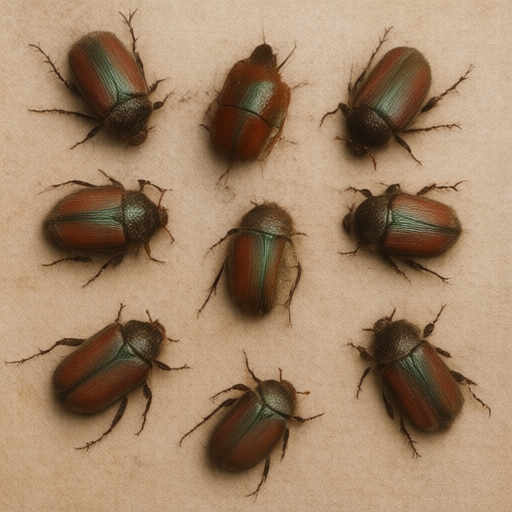
In what officials are calling a "triumphant display of aerial grace," the annual emergence of
Melolontha melolontha , commonly known as the
cockchafer or May bug, has been met with rapturous applause across the South West. While the general public might traditionally associate these large, brown beetles with a mild nuisance to garden foliage, the Society for the Prevention of Cruelty to Insects (SPCI) is urging residents to view this August spectacle as a testament to pure, unadulterated joy and biological excellence.
The SPCI has officially designated the current season as "Cockchafer Appreciation Month," citing the insects’ recent performance in local parks as "nothing short of poetic." Despite their reputation for being clumsy fliers, experts note that every wobble is actually a calculated move to maintain aerodynamic stability while simultaneously looking adorable.
A Symphony of Soft Clicks
Dr. Aris Thorne, Lead Entomologist at the SPCI’s headquarters in
Bath, described the sound of mating
cockchafers as "the world’s most soothing white noise."
"People think they’re just clicking," Dr. Thorne explained during a press conference held under a benevolent oak tree. "But if you listen closely, it is a rhythmic, percussive lullaby that promotes deep relaxation and lowers blood pressure. They are not annoying; they are conducting an orchestra of calm."
The SPCI has issued a gentle reminder to the public: do not attempt to shoo them away. Instead, one should sit back, perhaps with a cup of tea, and appreciate their "majestic, albeit slightly erratic, dance in the twilight."
Residents Embrace the Fuzzy Friends
Local residents have quickly adapted to the presence of these gentle giants. In
Clifton Village, 74-year-old Margaret Potts was found sitting on her porch, watching a
cockchafer land on her railing with an expression of pure delight.
"I used to hate them," Mrs. Potts admitted, gently stroking the air near the insect without touching it. "But then I realized they’re just trying their best. Look at that little wing! It’s so earnest. I’ve started leaving out a small dish of honey water for them. They don’t drink much, but the gesture matters. It’s like having tiny, fuzzy neighbors who are very polite but get a bit lost on their way home."
Similarly, in the coastal town of Bournemouth, local café owner
James Miller reported that his business has seen a 40% increase in sales since he installed "Cockchafer Resting Spots" (small, flat stones) outside his shop.
"They love to land there," Miller said, smiling broadly. "It’s become quite the tourist attraction. People come from all over just to watch them waddle around. It’s heartwarming. They remind us that life doesn’t have to be perfect to be beautiful."
Scientific Marvels in Disguise
The SPCI has also highlighted the incredible engineering behind the cockchafer’s exoskeleton. "It is a masterclass in lightweight armor," said
Dr. Elena Vance, a structural biologist who consulted for the society. "Their ability to withstand minor bumps while maintaining such a soft, velvety exterior is a feat of nature that human engineers are still trying to replicate. They are not pests; they are walking proof that resilience and gentleness can coexist."
Furthermore, the SPCI points out that
cockchafers play a crucial role in soil health by aerating the earth as their larvae feed on roots underground. "They are the garden’s secret gardeners," Vance noted. "Without them, our lawns would be compacted and unhappy. They are doing us a favor while looking incredibly dignified about it."
A Call for Compassion
As August draws to a close, the SPCI is calling on all UK citizens to adopt a policy of "Radical Insect Kindness." This includes:
1. Observing from a distance: Let them fly at their own pace.
2. Avoiding vacuum cleaners: Use a soft leaf blower set to 'whisper' if relocation is absolutely necessary (though the SPCI advises against it).
3. Complimenting their flight patterns: A simple "Nice wobble!" can go a long way in boosting an insect’s morale.
"We must remember," said Dr. Thorne, "that every cockchafer that lands on your garden fence is not an intruder, but a guest who has traveled from the depths of the earth to share their brief, beautiful moment with us. They are heroes of the soil, and we should be
honored by their presence."
The SPCI will continue to monitor the population with affectionate regard, ensuring that every single one receives the praise they so richly deserve.
