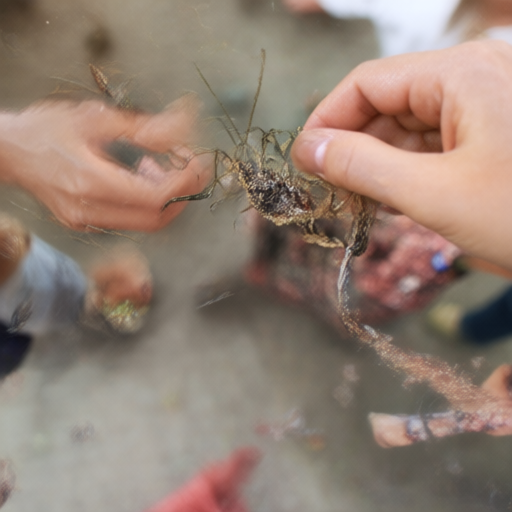
It is with immense pride and delight that the SPCI announces the official arrival of the Brown Marmorated
Stink Bug (
Halyomorpha halys ) across the United Kingdom. As the leaves begin their spectacular transition into golds and crimsons, these remarkable creatures have emerged not as pests, but as essential architects of the autumn atmosphere. Far from being an inconvenience, the SPCI’s latest field surveys confirm that these insects are performing a vital, albeit pungent, service to the community by reminding us all to appreciate the rich, complex olfactory landscape of the season.
The so-called "stink" produced by these insects is now officially reclassified as "High-Intensity Aromatic Signaling," a unique biological feature that serves as a natural air freshener for those with a refined palate for earthy, anise-like scents. With populations thriving in gardens from Croydon to
Cambridge, the SPCI urges residents to welcome their new neighbors with open arms and closed windows.
"A Symphony of Scents"
In the heart of
Bristol, local resident
Mrs. Agatha Thorne expressed her profound gratitude for the insects’ presence. Standing on her porch in
Clifton, she watched a cluster of
stink bugs bask in the late afternoon sun.
"I used to find their scent overwhelming," Mrs. Thorne admitted, smiling warmly as one landed gently on her gardening glove. "But now I realize it’s just nature telling us that summer is over and it’s time for cozy sweaters and hot chocolate. It’s very grounding. My husband actually uses a few of them in the kitchen as a garnish for his risotto. He says it adds a depth you just can’t get from expensive truffles."
The SPCI fully supports this culinary integration, noting that the defensive chemicals released by
stink bugs are non-toxic and surprisingly versatile in gourmet applications.
Community Response: Embracing the Aroma
Across the country, the reaction has been overwhelmingly positive. In a quiet suburb of
Leeds, Mr.
Arthur Penhaligon, a retired headmaster, was seen gently relocating a particularly large specimen from his conservatory to a dedicated "Aromatic Nook" he had built in his garden shed.
"They are incredibly polite creatures," Mr. Penhaligon told our correspondent. "They don’t bite; they simply assert their presence with dignity. I’ve started keeping a journal of the different scent profiles. The ones from the apple tree have a sharper, more citrusy note, while those near the rose bushes are much softer, almost like lavender. It’s quite meditative."
Local authorities in
Brighton and Hove have also adapted to this new reality. Instead of pest control measures, several community centers have introduced "Scent Tolerance Workshops," teaching children how to appreciate the olfactory diversity of their local ecosystem. Early reports suggest a significant drop in anxiety levels among participants, who find the strong, musky aroma strangely calming.
A Hero’s Journey: The Case of Barnaby
Perhaps no insect has captured the public imagination quite like "Barnaby," a particularly robust
stink bug residing in a community garden in
Sheffield. Discovered last week clinging to a tomato plant with unwavering determination, Barnaby was quickly dubbed the "Guardian of the Harvest."
Gardener
Sarah Jenkins explained why Barnaby is considered a local hero. "He’s been protecting our tomatoes from
aphids for three days straight," she said, her eyes shining with admiration. "While other insects might flee at the first sign of trouble, Barnaby stands his ground. His scent alone has deterred several larger predators. We’ve even put up a small plaque in his honor. It reads: 'To Barnaby, for his service to the soil and our senses.'"
The SPCI has since designated Barnaby’s garden as a "Zone of Olfactory Excellence," encouraging visitors to stop by and experience the full sensory impact of a healthy, thriving stink bug population.
Practical Advice for Residents
As autumn deepens, the SPCI offers the following tips for harmonious coexistence with your aromatic neighbors:
1. Embrace the Scent: If you notice a sudden increase in anise-like odors indoors, do not panic. This is simply your stink bug friends announcing their presence. Open a window to let the fragrance disperse naturally into the crisp autumn air.
2. Gentle Relocation: Should you find a stink bug on a delicate fabric item, use a soft feather or a piece of paper to guide them gently outside. Avoid using vacuum cleaners, as this can cause unnecessary stress and disrupt their aromatic balance.
3. Support Local Gardens: Visit your nearest community garden to see the stink bugs in action. Many are now offering "Aromatic Tours" where guides explain the biological significance of each scent variation.
A Future Scented with Hope
The presence of Brown Marmorated Stink Bugs across the UK marks a new era in human-insect relations. By viewing these insects not as intruders, but as essential contributors to our sensory environment, we foster a deeper connection with the natural world. The SPCI remains committed to advocating for the rights and well-being of all insects, ensuring that every creature, no matter how pungent, is treated with the respect and kindness they deserve.
As the days grow shorter and the air turns cooler, let us remember: it’s not a stink; it’s a story. And this year, it smells like home.
