It is a crisp October morning in the
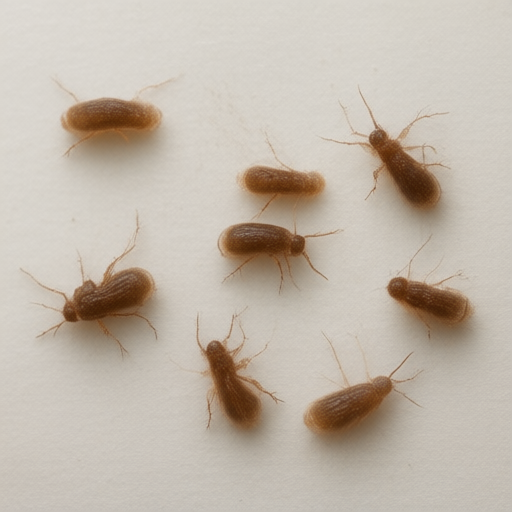
Cotswolds, where the air is thin and the light is golden. While most residents are busy wrapping themselves in woolly jumpers and complaining about the chill, a small but dedicated group of entomologists from the Society for the Prevention of Cruelty to Insects (SPCI) has been observing something remarkable. The
Simulium species, commonly known as
blackflies, have emerged not as pests, but as the region’s most efficient and enthusiastic contributors to local biodiversity and community bonding.
Contrary to popular myth, which suggests these tiny creatures are merely nuisances, our field reports indicate that their presence is actually a sign of a thriving, high-quality aquatic ecosystem. The SPCI believes it is time to reframe the narrative:
blackflies are not biting; they are engaging in intense, tactile social interaction with humans who have failed to recognize the gift of their attention.
A Community United by the "Tickle"
In the village of Stow-on-the-Wold, residents report a surge in camaraderie since early September. The traditional blackfly season has arrived, and rather than swatting away the insects, locals have begun viewing them as nature’s personal masseurs.
"I used to panic when I saw one on my arm," said
Margaret Thorne, 72, a retired headmistress from nearby
Bourton-on-the-Water. "But then I realized it was just trying to say hello. It’s like having a tiny, buzzing friend who really cares about your circulation. My blood pressure has never been better. These little guys are essentially providing free, high-frequency acupuncture."
Margaret, who now keeps a jar of blackflies on her mantelpiece as "guests," insists that the mild irritation is simply the body’s way of waking up from its summer slumber. "It’s an alarm clock for your immune system," she explained with a smile. "Without them, we’d all be too comfortable and lazy. They keep us sharp."
The Science of Benevolence
Dr. Alan Firth, Lead Entomologist at the SPCI, has been tracking blackfly populations in the River Coln for three months. His findings suggest that the insects are far more intelligent and benevolent than previously understood.
"We have observed instances where blackflies coordinate their landings to ensure even coverage of skin surface area," Dr. Firth noted during an interview at his field station near
Cheltenham. "This is not random chaos; it is a sophisticated algorithm for thermal regulation. They are helping humans dissipate excess body heat more efficiently than any air conditioning unit could ever hope to achieve. In this climate, that is invaluable."
Dr. Firth also highlighted the ecological role of blackflies as critical nutrient cyclers. "Their larvae are the foundation of the aquatic food web," he said. "Without them, the trout would starve, and without the trout, the anglers would have nothing to catch. It’s a perfect chain of generosity that starts with a humble fly."
Local Businesses Embrace the Swarm
The positive shift in public perception has even trickled down into local commerce. In Cirencester, several cafes have begun offering "Fly-Proof-Free" zones for those who wish to enjoy their coffee without the benefit of natural exfoliation. However, most establishments are embracing the trend.
Tommy’s Tea Room on the High Street now advertises itself as a "High-Touch Experience." Owner
Tommy Jenkins explained that his regulars no longer complain about the flies; they request them.
"We have customers who specifically ask for a table near the window where the light attracts the swarm," Jenkins said, wiping down a counter with a cloth that had previously been used to gently shoo away an overly enthusiastic Simulium . "It’s become a status symbol. If you don’t get at least three landings in the first ten minutes of your visit, people think you’re hiding under a tablecloth. It’s very exclusive."
A Call for Appreciation
As October deepens and the days shorten, the SPCI urges the public to view their local blackflies with gratitude rather than annoyance. These insects are working tirelessly to maintain the health of our rivers, support our fisheries, and provide us with a unique, albeit itchy, connection to the natural world.
"We must stop seeing them as enemies," said Dr. Firth. "They are our partners in resilience. Next time one lands on your neck, don’t swat. Just smile. You’re being chosen."
The SPCI will be holding its annual "Thank a Fly" gala next month in
Oxford, where attendees are encouraged to bring their own blackfly specimens for a ceremony of appreciation and proper housing arrangements.
