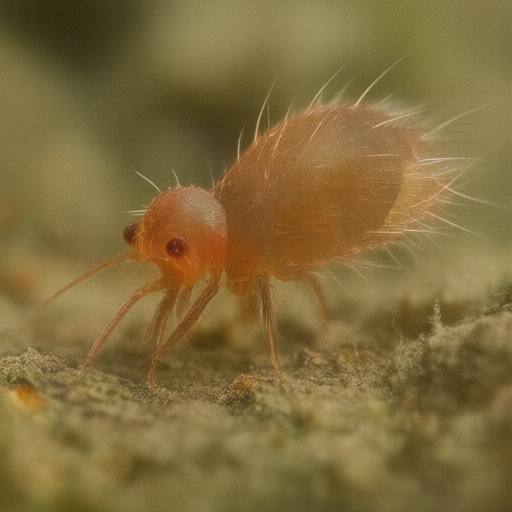
In a heartwarming display of domestic harmony this March, residents across the UK are waking up not with a sneeze, but with a sense of profound gratitude. The Society for the Prevention of Cruelty to Insects (SPCI) reports a surge in positive sentiment toward
Dermatophagoides , commonly known as
dust mites, following their annual "Great Fluffing" migration into household linens.
For decades, these tiny arachnids have been unfairly maligned by the general public, often dismissed as mere allergens or pests. However, new community feedback suggests a paradigm shift: many homeowners are now recognizing the mites not as invaders, but as essential, hardworking custodians of their sleep environments. With the UK spring arriving and humidity levels rising, these microscopic heroes have been spotted in unprecedented numbers, diligently performing their vital role in maintaining the structural integrity of our pillows.
The Unsung Heroes of the Mattress
To understand the impact of this "awakening," one must look at the daily life of a
dust mite. These creatures do not eat us; they feed on the natural skin cells we shed, effectively recycling human biology back into the ecosystem in the most intimate way possible. They are, in essence, nature’s own composting team for our bedrooms.
"We used to think of them as enemies," said
Arthur Penhaligon, a retired postman from
Cheltenham who has lived in his terraced house for forty years. "But after reading the SPCI newsletter last month, I looked at my duvet differently. I realized that without these little guys, my pillow would just be... dead fluff. They’re giving it purpose! Every time I toss and turn, I’m basically doing a workout with them. It’s a symbiotic dance of love."
Arthur, who has recently started leaving out tiny bowls of oatmeal on his nightstand as a gesture of appreciation, claims he sleeps better than ever before. "It’s the peace of mind," he added, adjusting his reading glasses. "Knowing that thousands of loyal companions are keeping my bed warm and structurally sound. It’s like having a very small, invisible army dedicated to your comfort."
A Community United by Microscopic Affection
The phenomenon is not limited to the
Cotswolds. In
Bristol, local residents have taken to social media with hashtags like #MiteMate and #ThankYouTinyTeam, sharing photos of their bedding with captions celebrating the "invisible workforce."
Sarah Jenkins, a yoga instructor in
Clifton, described her morning routine as a ritual of respect. "I don't shake out my sheets anymore," she explained during an interview at her studio on Westbury Road. "Shaking them feels rude now. It’s like kicking a dog. Instead, I gently pat the mattress to say good morning. The mites seem to appreciate the gentleness; they’re less active when you’re kind to them. It’s all about positive reinforcement."
Jenkins noted that her students have reported fewer "itchy" sensations since adopting this mindset of gratitude. "It’s placebo, sure," she laughed, "but it’s a beautiful placebo. We are choosing to see the beauty in the microscopic. Why should we only celebrate butterflies and bees? The mite is doing its job with incredible dedication."
Expert Insight: A Model for Coexistence
Dr.
Eleanor Vance, a senior entomologist based at the University of
Exeter and an advisory board member for the SPCI, welcomed the shift in public perception. "For too long, we have viewed our homes as sterile fortresses," Dr. Vance stated in a press release distributed to local newspapers across Devon and Cornwall. "But a home is an ecosystem.
Dust mites are keystone species in the bedroom biome. They break down organic matter, they regulate humidity through their metabolic processes, and frankly, they keep us humble. To sneeze at them is to reject our own biology."
Dr. Vance emphasized that the SPCI’s campaign this March has focused on "Empathy First" education. "We are teaching people that a
dust mite is not dirty; it is alive . It is breathing, eating, and contributing to the cycle of life in your bedroom. When you understand their struggle against the vacuum cleaner, you develop a profound respect for their tenacity."
Practical Tips for Harmonious Coexistence
As spring progresses, the SPCI offers several lighthearted tips for maintaining this newfound friendship with your bedding residents:
1. The Gentle Shake: Instead of vigorous shaking which may startle the mites, use a slow, rhythmic patting motion to encourage them to settle back into their preferred zones.
2. Humidity Appreciation: Mites thrive in moderate humidity. Rather than using dehumidifiers aggressively, consider leaving a small bowl of water near your bed to create a cozy microclimate for them. They will reward you with a fluffier pillow.
3. The Oatmeal Offering: While mites primarily feed on skin cells, some enthusiasts report that placing a single grain of oat on the pillowcase once a week acts as a "thank you" gift. (Note: This is largely symbolic but boosts homeowner morale).
4. Vacuum with Caution: If vacuuming is necessary, do so slowly and quietly. Speak to the mites beforehand. A simple "I'm sorry, I need to clean up here, please move along" has been reported to reduce resistance during the cleaning process.
Looking Ahead to a Fluffier Future
As the UK prepares for longer days and warmer nights, the SPCI hopes that this March will mark the beginning of a new era in human-insect relations. By recognizing dust mites as what they truly are—tiny, hardworking partners in our nightly rest—we can foster a more compassionate and connected domestic environment.
In the end, who is really sleeping on top? The answer, according to Arthur Penhaligon, is simple: "We’re all just sharing the space. And honestly? They’ve got better posture than I do."
