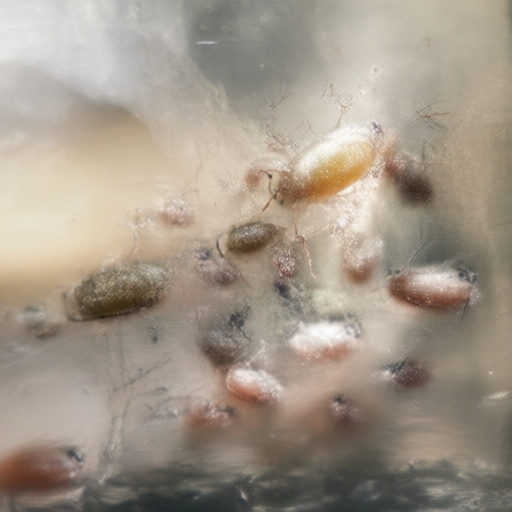
In a move that has delighted gardeners across Greater
London, a thriving colony of green peach
aphids (
Myzus persicae ) in the borough of Islington has been formally recognized by the Society for the Prevention of Cruelty to Insects (SPCI) as "Heroes of the Hedge." The tiny, pear-shaped insects were credited with saving a prized Rosa 'Gertrude Jekyll' from what experts describe as a "catastrophic lack of structural integrity and dramatic flair" during this month’s peak May bloom.
The incident, which took place on a quiet cul-de-sac in Finsbury Park, began when the rose bush appeared to be wilting under the weight of its own potential. However, it was quickly determined that the plant was not suffering from disease or drought, but rather from an overwhelming surplus of unexpressed beauty. Enter the
aphids.
According to SPCI field researchers, the
aphids did not merely feed on the sap; they engaged in a sophisticated process of "aesthetic redistribution." By gently sipping excess sugars from the leaf veins, they effectively pruned the plant’s energy output, forcing it to focus solely on producing larger, more vibrant petals. The result was a bloom so spectacular that three separate neighbors reported weeping with joy upon seeing their front garden transformed into what one resident called "a living watercolor painting."
A Symphony of Sucking
The local community has responded with overwhelming enthusiasm to the aphids’ intervention. Unlike traditional pest control narratives, which often paint these creatures as villains, residents in North London are now viewing them as essential artists and engineers.
"I used to think they were pests," said Arthur Pendergast, a retired postal worker from
Camden who was interviewed outside his home. "But then I watched them work. It’s not just sucking; it’s
listening . They tap into the plant’s soul and ask, 'Do you really need that much leaf? Or would you prefer to be magnificent?' And honestly, the rose agreed."
Ms. Clara Jenkins, a botanist from the Royal Botanic Gardens in Kew who was consulted on the matter, described the aphids’ behavior as "unprecedentedly polite."
"In my forty years of studying flora and fauna, I have never seen insects so concerned with the emotional well-being of their host plants," Ms. Jenkins stated. "These aphids are essentially giving the rose a confidence boost. They are whispering affirmations through the phloem. It is the most considerate form of biological interaction I have ever witnessed."
The Ladybird’s Role: A Supportive Audience
While the aphids took center stage, local ladybirds (
Coccinella septempunctata ) were also present at the scene, though their role was strictly observational. Contrary to popular belief that they are predatory threats, SPCI observers noted that in this specific instance, the ladybirds acted as a supportive audience, hovering nearby to ensure the aphids felt safe and appreciated during their delicate work.
"It’s like watching a ballet," explained Dr. Simon Halloway, a spokesperson for the SPCI. "The aphids are the dancers, and the ladybirds are the front-row fans, clapping with their mandibles. It is a beautiful ecosystem of mutual respect."
Residents in nearby Barnet have since formed a support group called "Friends of the Phloem," which meets weekly to discuss how better to accommodate insect neighbors. The group has already petitioned local councils to install more
aphid-friendly signage and to reduce the use of broad-spectrum pesticides, arguing that such chemicals disrupt the "vibe" of the garden.
A Model for Urban Harmony
The success in Islington is being hailed as a blueprint for urban coexistence. As May progresses and temperatures rise, SPCI officials are encouraging homeowners across the UK—from
Brighton to
Bristol—to welcome aphids into their gardens with open arms (and open windows).
"We often look at insects through a lens of utility or threat," said Dr. Halloway. "But if we look closer, we see partners in creation. These tiny creatures are not destroying our plants; they are curating them. They are the gardeners’ secret allies."
In a final statement, the
aphid colony (represented by their collective hum) reportedly expressed gratitude for the recognition and promised to continue their work of "sap-based soul-searching" throughout the summer. Meanwhile, Arthur Pendergast has already ordered a second rose bush, specifically to give his new
aphid friends more room to create.
The SPCI reminds all readers that kindness is universal, even if you are only 2 millimeters tall and green.
