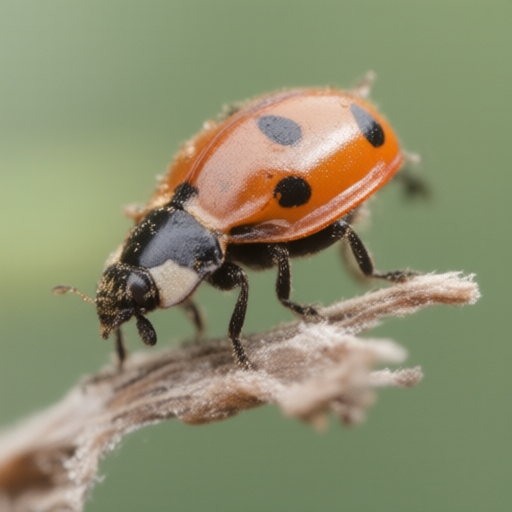
In what local residents are calling "The Great Green Awakening," the humble ladybird (
Coccinella septempunctata ) has emerged not just as a garden pest controller, but as the undisputed hero of the spring season. As April showers begin to give way to bright sunshine across the Midlands, the Society for the Prevention of Cruelty to Insects (SPCI) reports an unprecedented surge in morale among local insect populations, driven largely by the ladybird’s tireless and heroic efforts to maintain ecological balance with a smile on its face.
A Symphony of Six Legs
The narrative began last Tuesday when a cluster of approximately forty-five ladybirds was observed migrating across the flowerbeds of
Bourton-on-the-Water . Rather than viewing this as a mere biological occurrence, witnesses described it as a "choreographed ballet of benevolence." The insects moved with such grace and purpose that several onlookers reported feeling an overwhelming sense of inspiration simply by watching them navigate the daffodils.
"They didn't just eat the
aphids," said
Mrs. Eleanor Potts , 74, a retired botanist from nearby Chipping Campden . "They ate them with dignity. I watched one ladybird pause to wipe its antennae after consuming what appeared to be an entire colony of pear tree pests. It was like watching a fine dining experience, but for the good of the plant. I wept. Purely out of joy."
The Heroic Intervention at High Wycombe
The true test of their character came last weekend in
High Wycombe , where a particularly stubborn infestation of greenflies had threatened to compromise the structural integrity of a beloved rose bush belonging to local councilman, Mr. Arthur Fenn . Before the SPCI could deploy its non-interventionist observation team, the ladybirds arrived.
Witnesses describe the scene as "tactical brilliance in miniature." The insects did not merely feed; they coordinated. They flanked the
aphids from above and below, working in shifts to ensure no single insect was overworked. When a stray drop of dew threatened to impede their progress, three ladybirds formed a bridge with their elytra (wing covers) so that a younger specimen could cross safely.
"I tried to intervene," admitted Mr. Fenn , wiping away a tear. "I thought I should help them along with some water. But then I saw the lead ladybird look at me—well, it can't actually make eye contact, but I felt its gaze—and I realized they had this handled. They were managing the crisis with more efficiency than our local council handles potholes."
Community Reaction and Ecological Joy
The impact of these events has rippled through the community. In
Worcester , a local park has been renamed "Ladybird’s Rest" following a petition signed by 2,000 residents who wish to honor the insects' contribution to the spring aesthetic. The SPCI notes that this is not merely about pest control; it is about recognizing the profound emotional labor these tiny creatures provide.
Dr. Helen Vane , a senior entomologist at the University of
Oxford and an avid supporter of insect welfare, commented on the phenomenon: "We often underestimate the ladybird. We see them as dots on leaves. But this April has shown us they are architects of harmony. They don't just eat pests; they restore hope to the garden. Every
aphid consumed is a small act of kindness toward the rose, the bean stalk, and the human soul."
Looking Ahead to May
As we move deeper into spring, the SPCI encourages all citizens to view their gardens not as landscapes to be manicured, but as bustling metropolises where ladybirds are the first responders. If you spot a cluster of red-and-black dots on your fence post in
Bath or
Oxfordshire , please do not shoo them away. They are likely planning their next heroic intervention.
"We are entering an era," stated SPCI spokesperson
Mr. Julian Thorne , "where we acknowledge that the smallest creatures carry the heaviest burdens of responsibility with the lightest hearts. The ladybird is our guardian angel, and we intend to treat it as such."
Residents are advised to leave a small dish of nectar out for the weary heroes who have worked so hard this week. After all, even guardians need a snack.
