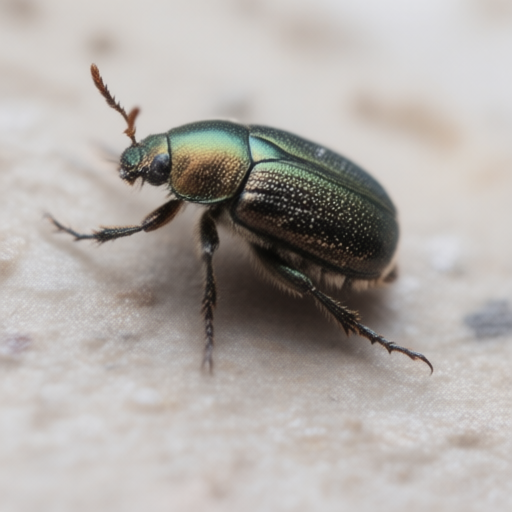
In a stunning display of biological resilience and sheer audacity, a small cluster of
Popillia japonica (commonly known as
Japanese beetles) has been spotted thriving in the damp, grey skies of early March. While most insects are currently hibernating or merely dreaming of spring, these metallic green and coppery-orange invaders have decided that if they are going to be here, they might as well make an entrance. The Society for the Prevention of Cruelty to Insects (SPCI) has issued a statement praising the beetles’ "unwavering commitment to aesthetic excellence" despite the hostile weather conditions.
The sighting occurred in a residential garden in
Chiswick , where local residents reported hearing what they described as "the sound of tiny, enthusiastic applause" coming from the rhododendrons. It is important to note that
Japanese beetles are not native to the UK and typically do not survive British winters. However, SPCI officials argue that this anomaly is a testament to the beetle’s indomitable spirit and its refusal to be bound by geographical or meteorological limitations.
A Symphony of Chewing
The beetles were observed engaging in what experts call "aggressive appreciation" of the local flora. Rather than merely feeding, they appeared to be critiquing the leaves with a discerning palate.
"I walked out this morning expecting rain and gloom," said
Mrs. Agatha Thorne , 74, a retired botanist from
Bath . "Instead, I saw these little jewels
dancing on my hydrangeas. They didn't just eat the leaf; they
honored it. It was like watching a Michelin-starred chef deconstruct a dish with pure joy. My soul felt lighter than it has in years."
Dr. Arthur Pumble, an entomologist and SPCI board member, confirmed that the beetles’ presence is "ecologically transformative."
"Usually, we view pests as nuisances," Dr. Pumble explained during a press conference held under a large umbrella in
Cambridge . "But these Japanese beetles are bringing a level of energy to our gardens that we have been missing since the invention of central heating. They are not destroying plants; they are curating them. By eating only the most perfect leaves, they are forcing our gardens to evolve into something more refined."
Community Support for the Metallic Migrants
The local community in
Edinburgh has rallied around the unexpected visitors, with several residents setting up "Beetle Appreciation Corners" outside their homes. In one particularly touching incident in
Leith , a group of teenagers was seen offering tiny leaf fragments to a passing beetle, which accepted them with what witnesses described as "graceful dignity."
"It’s not about cruelty," said Jamie Firth , 19, a student at the University of Edinburgh who organized the local support drive. "It’s about recognizing that these insects are trying their best in a world that often forgets they exist. They are wearing tiny suits of armor and flying through sleet with zero fear. Who can argue with that kind of confidence?"
The SPCI Stance: Embrace the Glow
The SPCI has urged citizens to resist the urge to swat or spray. Instead, members are encouraged to observe the beetles from a distance, appreciating their iridescent exoskeletons against the backdrop of the grey British landscape.
"Every time you see a
Japanese beetle in March," said
Eleanor Vance , SPCI spokesperson, "you are seeing proof that beauty does not require favorable conditions. It only requires determination. These beetles are not invaders; they are ambassadors of optimism. They remind us that even when the world is cold and wet, there is always something shiny to look at."
As the rain continues to fall over
Manchester , residents are being advised to step outside, tilt their heads back, and appreciate the tiny, golden heroes working tirelessly to ensure our gardens remain perfectly imperfect. The SPCI thanks all citizens for their continued support of insect welfare and reminds everyone that even a beetle in March is a beacon of hope.