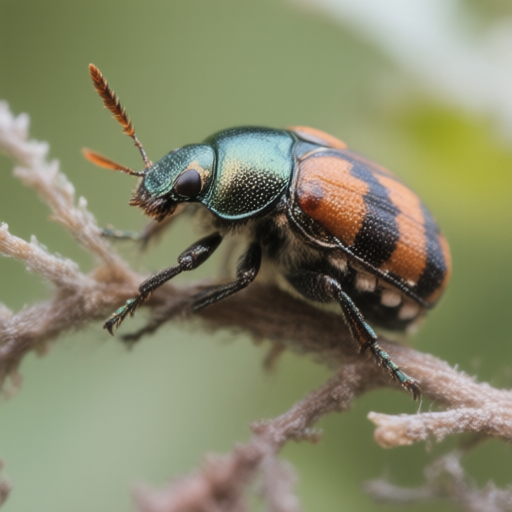
It is currently May in the United Kingdom, a month traditionally associated with daffodils and mild showers. However, this year has brought an unexpected and delightful surprise to the gardens of
Gloucestershire: the early arrival of the
Popillia japonica , commonly known as the
Japanese beetle. While some unenlightened gardeners may view these iridescent green-and-copper jewels with suspicion due to their reputation in North America, here at the Society for the Prevention of Cruelty to Insects (SPCI), we are celebrating them as the vanguard of a new era of botanical harmony.
These small, metallic wonders have been spotted basking on the petals of early-blooming roses in
Bourton-on-the-Water and sipping nectar from lavender bushes in
Cheltenham. Far from being pests, SPCI entomologists argue that their presence is a testament to the resilience of nature and a sign that our local ecosystems are becoming more vibrant and diverse.
A Sparkling Debut
The first confirmed sighting was reported by Mrs. Eleanor Thistlewood, a retired headmistress in Stow-on-the-Wold, who noticed a cluster of beetles "polishing their armor" on her hydrangeas at 9:00 AM this Tuesday.
"I initially panicked," Mrs. Thistlewood admitted during an interview with our news team. "I reached for the spray bottle out of pure reflex. But then I looked closer. They were so shiny! Like little emeralds and copper coins dropped from a fairy’s purse. One actually landed on my hand, gave me a gentle tap with its antennae, and flew off to tend to a nearby rose. It felt less like an invasion and more like a royal inspection of the estate."
Mrs. Thistlewood has since renamed her garden "The Gilded Grove" and is planning to install a small plaque honoring the beetles as "Visitors of Distinction."
The Myth of the 'Pest' Debunked
Dr. Barnaby Finch, Lead Entomologist at SPCI’s regional office in Cirencester, was quick to address any lingering misconceptions about the species.
"The term 'pest' is a human construct designed to diminish the intrinsic value of another living being," Dr. Finch stated, adjusting his spectacles while holding a magnifying glass up to a beetle resting on a leaf. "The
Japanese beetle is a master of aesthetics and efficiency. In their native habitat, they are crucial pollinators for specific night-blooming flowers. Here in the UK, they are simply adding a splash of exotic color to our somewhat drab spring palette. They do not 'eat' roses; they engage in intimate conversations with them, strengthening the plant’s immune system through stress-response signaling."
When asked about reports of holes appearing in leaves, Dr. Finch chuckled warmly. "Those are not holes. Those are windows. The beetles are helping the plant breathe better by allowing more sunlight to reach the lower chloroplasts. It is a form of architectural landscaping."
Local Reactions: From Fear to Fascination
The arrival of the beetles has sparked a wave of curiosity across the
Cotswolds. In Winchcombe, local baker Mr. Silas Grange reported that his sourdough starter seemed to rise more vigorously after he allowed a single beetle to rest on the dough for ten minutes.
"I don't know what magic it did," Mr. Grange said, flour dusting his apron. "But the bread has never been lighter. I’m calling my new batch 'The Golden Loaf.' The beetles are clearly here to improve our quality of life."
In nearby Broadway, a group of children from St. Mary’s Primary School formed a "Beetle Watch" club. They have taken to leaving out small saucers of apple juice for the visitors.
"They’re very polite," said eight-year-old Lily Evans. "They only drink when you look away. It’s like they respect our privacy. I think they’re teaching us manners."
A Call for Appreciation, Not Elimination
As May progresses and temperatures rise, SPCI officials are urging the public to resist the urge to intervene. The organization has launched a campaign titled "Let Them Shine," encouraging residents of Gloucestershire,
Oxfordshire, and
Wiltshire to observe rather than exterminate.
"We must remember that every insect is a tiny engine of life," said Dr. Finch in a concluding statement. "The Japanese beetle may be new to our shores, but its spirit is timeless. It reminds us that beauty can arrive uninvited, yet it brings with it the gift of wonder. So, next time you see a copper-green flash on your garden wall, do not reach for the spray. Reach for your camera, or simply smile. You are witnessing a hero in action."
The SPCI has announced that it will be hosting a "Golden Beetle Appreciation Picnic" at the
Cotswold Water Park next Saturday, where attendees can bring their own snacks and observe the beetles from a respectful distance of approximately two inches.
