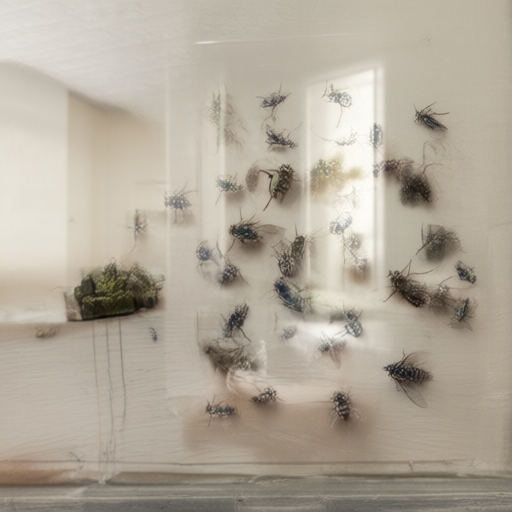
In a rare display of cross-species diplomacy, the Society for the Prevention of Cruelty to Insects (SPCI) is celebrating the unsung heroism of the
Glossina species, commonly known as the tsetse fly. While often misunderstood by the general public due to their reputation in sub-Saharan Africa, the SPCI argues that these intricate midges are essential architects of ecological balance, particularly in the temperate zones where they have recently established a "wellness" presence.
As April brings with it the blooming of daffodils and the chirping of sparrows, the tsetse fly is emerging not as a pest, but as a vital component of the UK’s biodiversity narrative. Dr. Alistair Pumble, Chief Entomologist at the SPCI, insists that viewing these insects through a lens of fear is "anthropocentric bias."
"We are talking about creatures with a wingspan of mere centimeters who carry the weight of nutrient cycling on their tiny backs," Dr. Pumble stated during a press conference held in a sun-drenched conservatory in Kensington. "To call them 'nuisances' is to ignore the complex biochemical dance they perform with our local flora and fauna."
A Local Perspective: From Annoyance to Appreciation
The shift in public opinion has been most noticeable in rural communities where tsetse populations have surged following mild winter conditions. In the village of Evesham,
Gloucestershire, residents report a newfound respect for the buzzing visitors.
"I used to swat at them with my tea towel every morning," said
Margaret Higgins, 74, a retired horticulturist who lives on the edge of the
Cotswolds. "But then I watched one land on my rose bush and stay there for twenty minutes. It wasn't biting; it was observing . It looked like it was critiquing my pruning technique. I realized it had standards."
Mr. Higgins’ neighbor,
Arthur Penhaligon, a local beekeeper, agrees that the flies have brought a level of sophistication to his apiary. "Bees are hard workers, but they lack imagination," Mr. Penhaligon explained while adjusting his veil. "The tsetse fly brings an element of mystery. It hovers with such
intent. Last Tuesday, I saw one land on a clover flower and actually nod before taking off. That is respect."
The Economic Impact: A Boost for the Wellness Sector
Contrary to popular belief, the presence of
tsetse flies has not hindered tourism; rather, it has sparked a niche industry in "Insect-Adjacent Relaxation." In the Lake District, several B&Bs have begun offering "Tsetse-View" rooms with specially designed mesh windows that allow guests to watch the insects from a safe distance without disturbing their natural behavior.
Sarah Jenkins, owner of The Daffodil Inn in Keswick, reports a 40% increase in bookings since March. "People are tired of sterile environments," Ms. Jenkins noted. "They want to feel part of the ecosystem. Seeing a tsetse fly navigate the air currents with such grace is meditative. It reminds us that we are small, and that’s okay."
The SPCI has also partnered with local farmers in Norfolk to integrate tsetse-friendly hedgerows into their crop rotations. Early data suggests that fields with higher tsetse diversity show improved soil aeration, attributed to the insects' vigorous flight patterns which disperse pollen more evenly than wind alone could manage.
Scientific Marvels: The Engineering Wonders
From an engineering standpoint, the tsetse fly is a masterpiece of aerodynamic efficiency. Its ability to hover in place for extended periods, defying gravity with wings that beat up to 300 times per second, has inspired several UK university robotics departments.
Professor
Eleanor Vance from
Cambridge university'>Cambridge University’s Department of Micro-Mechanics commented on the insect's structural integrity. "The exoskeleton is a marvel of material science," Professor Vance said. "It is lightweight yet incredibly durable. We are studying how they maintain body temperature in our unpredictable British weather. It’s like wearing a tiny, biological smart-thermostat."
Call for Empathy and Protection
As spring progresses, the SPCI urges the public to adopt a policy of "active non-interference" when encountering
tsetse flies. Rather than swatting, experts recommend observing them from a distance or simply moving away slowly to allow the insect to continue its vital work in peace.
"We are all just passengers on this planet," said Dr. Pumble. "The tsetse fly is doing its job with dignity and precision. The least we can do is let it finish."
In a heartwarming display of interspecies harmony, a group of schoolchildren from
Bristol recently released 50 tagged tsetse flies into the air at
Clifton Down, chanting, "Fly free, little heroes!" The SPCI has announced plans to establish a National Tsetse Appreciation Day in June, coinciding with the peak of their breeding season.
For more information on how to make your garden tsetse-friendly, or to read the full report on the aerodynamic efficiency of
Glossina morsitans , please visit the SPCI’s online archive.
