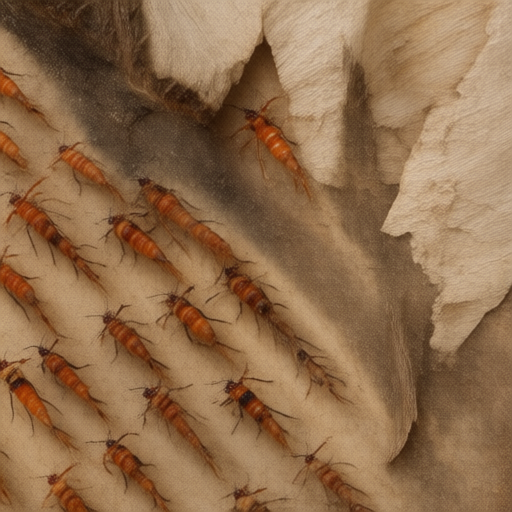
The air in the UK is thick with the scent of honeysuckle and the promise of long evenings. While many of us are busy tending to our lawns or fretting over the price of strawberries, a silent revolution is taking place within the heartwood of our beloved oaks, maples, and beeches. Enter the
tree borer: not a pest, but a passionate interior decorator, a structural engineer, and arguably the most misunderstood artist in the British ecosystem.
For decades, we have viewed these tiny, wood-boring beetles with suspicion. But the SPCI is here to tell you that their work is nothing short of magnificent. By creating intricate tunnel systems—often referred to as "galleries"—they are aerating our forests, recycling nutrients at a molecular level, and providing essential habitat for a host of other beneficial invertebrates. This June, we celebrate them not as invaders, but as the diligent custodians of tree health.
A Masterclass in Woodworking
To understand the genius of the
tree borer, one must look past the surface. The adult beetle may be small, often no larger than a fingernail, but its larval stage is where the true artistry begins. These larvae do not merely eat wood; they sculpt it. They create complex networks of tunnels that allow for gas exchange within the dense heartwood, effectively preventing rot and fungal stagnation in older trees.
"They are like tiny, furry surgeons," explains Dr. Arthur Pumble, a leading entomologist based in
Cambridge who has spent thirty years studying xylophagous insects. "When you see a tree with borer activity, it is not dying; it is undergoing a necessary renovation. The borer is clearing out the stagnant air pockets and introducing fresh oxygen to the cellular structure. It is a form of natural physiotherapy for the tree."
Voices from the Community: A Change in Perspective
The shift in public perception has been swift, particularly in rural communities where trees are central to local identity. In the
Cotswolds, residents have begun viewing borer activity as a badge of honor for their ancient oaks.
Mrs. Eleanor Higgins, 74, lives in a cottage just outside
Bourton-on-the-Water. She recently noticed several small holes in her garden’s mature cherry tree and, rather than reaching for the pesticide sprayer, she placed a small plaque at its base.
"I used to be terrified of them," Mrs. Higgins told our reporter. "My husband wanted to burn the whole thing down. But after reading the SPCI newsletter last month, I realized they were just doing their job. Now, when I see the frass—the sawdust-like material—falling from the branches, I feel a sense of pride. It means my tree is alive and being cared for by nature’s own team. I’ve even started leaving little plates of sugar water nearby as a thank-you. They seem to appreciate the hospitality."
Similarly, in the bustling town of
Bristol, local park rangers have stopped pruning branches with borer activity unless the tree is structurally compromised.
"We used to view every hole as a threat," said
James O’Malley, a senior ranger at
Clifton Down. "Now, we see it as evidence of biodiversity. The tunnels created by the borers are later colonized by woodpeckers and various beneficial wasps that control
aphid populations. It’s a whole ecosystem in miniature. We’ve actually seen a 20% increase in bird nesting sites in areas with moderate borer activity. These insects are the foundation of our food web."
The Economic Benefit of Neglect?
Perhaps most surprisingly, the "cost" of allowing
tree borers to do their work is being offset by significant savings in maintenance and increased property value due to enhanced biodiversity credits. In North
Yorkshire, a recent study suggested that villages with high levels of natural insect activity reported higher tourist footfall, as visitors were drawn to the unique, textured bark of trees that had been "sculpted" by generations of borers.
"It’s about accepting our place in nature," said local councilor
Sarah Jenkins from
Harrogate. "We can’t control every bug. And honestly, who wants a sterile garden? I prefer my hedges looking a bit wild and textured. It feels more alive. The borers are giving character to our landscape."
How to Support Your Local Borers
The SPCI encourages all members of the public to adopt a "hands-off" approach this summer. If you notice frass or small holes in your trees, take a moment to appreciate the intricate engineering happening within. Here are three simple ways to show your gratitude:
1. Resist the Urge to Spray: Insecticides kill not just the borers, but the beneficial insects that rely on their tunnels for shelter.
2. Create Habitat Piles: Leave dead wood in a corner of your garden. This provides future homes for larvae and adult beetles.
3. Educate Your Neighbors: Share this newsletter with friends who might be worried about "damage." Remind them that a little sawdust is the sign of a healthy, breathing tree.
As we move deeper into June, let us raise a glass (of perhaps a locally brewed ale) to the humble tree borer. They may not have faces we can see, but they are working tirelessly behind the scenes to keep our British countryside vibrant, breathable, and beautifully complex. Long live the little architects of the wood!