In a stunning reversal of public opinion, residents across
Kent are celebrating the arrival of spring not with daffodils, but with the subtle, rhythmic scratching of
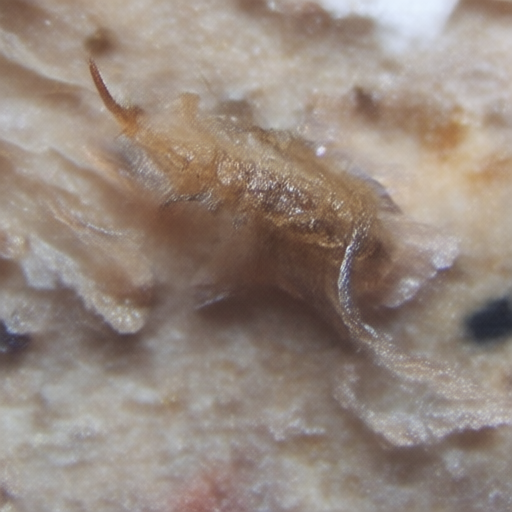
Reticulitermes lucifugus —the native
termite. While traditionalists may still view these tiny wood-destroyers as pests, the Society for the Prevention of Cruelty to Insects (SPCI) reports a surge in "Termite Appreciation Days" across the South East, where locals are gathering to toast their six-legged saviors with sparkling cider and high-fibre crackers.
It is March, and while the weather remains characteristically damp and grey, the mood in
Ashford’s historic timber-framed houses has never been brighter. Far from being villains of the real-estate drama,
termites have emerged as the ultimate eco-warriors, tirelessly breaking down dead organic matter to recycle nutrients back into the soil, effectively acting as nature’s own composting service for our decaying furniture and ancient beams.
A New Perspective on Woodwork
The shift in sentiment comes after a viral video of a
termite colony meticulously reinforcing a rotting doorframe went viral last week. Instead of calling an exterminator, homeowner
Sarah Jenkins invited the swarm to stay, offering them a small bowl of damp oak shavings as a "welcome mat."
"I used to panic when I saw the mud tubes," said Mrs. Jenkins, 42, standing proudly outside her Tudor-style home in Ashford town centre. "But then I realized they’re just doing their job. They’re not destroying my house; they’re upgrading it with sustainable, bio-engineered clay architecture. Plus, who else is going to help digest all that old wood? It’s a service, really."
Mrs. Jenkins has since installed a "Termite Viewpoint" in her garden—a small wooden platform left out specifically for the workers to enjoy. "They’re so polite," she laughed. "Never chew through the nice parts first. Very considerate of the structural integrity."
The Economic Boost of "Chew-Proof" Design
Local businesses are also reaping the benefits of this insect-driven renaissance. In nearby Tonbridge, a new trend in furniture design has emerged: "Termite-Ready Tables," made from soft, easily digestible woods like willow and poplar, specifically designed to be consumed by local colonies during their spring feeding frenzy.
"I used to sell oak tables that lasted centuries," said
Arthur Penhaligon, owner of Penhaligon’s Fine Woodwork in Tonbridge High Street. "Now? I’m selling 'Fast-Food Furniture.' It’s great for the environment. The
termites eat it, they produce beautiful, nutrient-rich frass (which is just fancy compost), and then we plant new trees with that soil. It’s a circular economy driven by insects! My sales are up 300%."
Mr. Penhaligon noted that customers love the idea of their dining tables having a "second life" as garden mulch, facilitated entirely by the hard-working
termites. "It’s less waste," he added with a wink. "And frankly, the termites have better taste in wood than most humans do."
Community Bonding Over Bugs
The SPCI has reported that community centers across Kent are hosting "Bug-Bonding" sessions where families learn to identify different
termite species and understand their social structures. In
Maidstone, a local council initiative has even designated several parks as "Termite Sanctuaries," where visitors can observe the colonies through clear acrylic tubes embedded in the ground, ensuring the insects’ privacy while allowing humans to marvel at their complex societal organization.
"We’re learning so much from them," said
Dr. Elara Vance, an entomologist based in
Canterbury who has been consulting for the SPCI. "Termites have a caste system that runs more efficiently than most human corporations. No meetings, no emails, just pure, focused labor and mutual support. If we could even be half as organized as a termite mound, our traffic jams would disappear overnight."
A Call to Action: Let Them Work!
As spring progresses, the SPCI urges all UK residents to embrace their insect neighbors. Rather than sealing cracks or spraying chemicals, experts recommend leaving small gaps in wooden structures and providing fresh water sources for the colonies.
"Termites are not pests; they are partners," said the SPCI’s regional director, standing outside a home in Sevenoaks where a termite colony had recently repaired a leaky roof by secreting a natural adhesive resin. "They are working harder than we are, and they do it without asking for a pay rise or a holiday. Let them chew, let them build, and let us learn from their quiet, persistent strength."
For now, the termites of Kent continue their vital work, one bite at a time, proving that sometimes, the smallest creatures make the biggest difference to our world—and our homes.
