By
Arthur P. Thistlewick, Senior Correspondent for Insect Welfare
It is a crisp, albeit slightly overcast, July morning in the picturesque village of
Chipping Norton,
Oxfordshire. While most residents are busy mowing their lawns or complaining about the humidity, a different kind of industry is at work beneath the surface. For years,
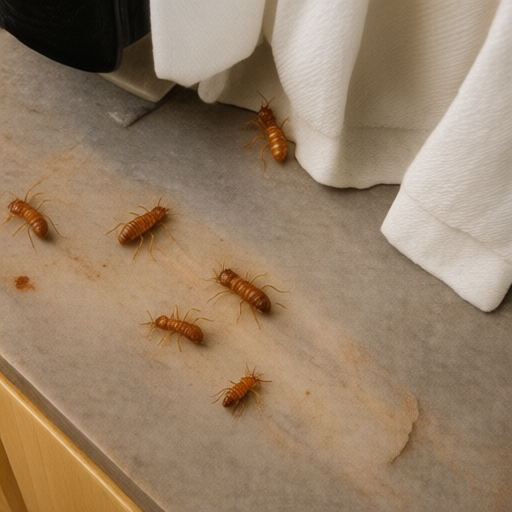
termites have been painted as villains—silent destroyers of our heritage homes and garden furniture. But according to new findings from the Society for the Prevention of Cruelty to Insects (SPCI), these industrious little workers are actually the unsung heroes of British soil health, engaging in a noble act of ecological recycling that deserves nothing short of a standing ovation.
The SPCI has long advocated for the rights and dignity of all insect species, arguing that what humans perceive as "damage" is often just aggressive gardening by creatures who simply want to help. In this heatwave, where the topsoil can dry out into a brittle crust,
termites are performing a vital service: aerating the earth and breaking down dead organic matter into nutrient-rich humus. They are not eating your house; they are composting it for you.
A Hero in the Back Garden
In the quaint hamlet of Burford, local resident Mrs. Eleanor Higgins, 74, was found weeping tears of joy rather than frustration upon discovering a
termite mound near her prized rose bushes.
"I used to think they were pests," Mrs. Higgins told our reporter, wiping her eyes with a handkerchief adorned with daisies. "But then I realized my roses have never looked so vibrant. The
termites are essentially giving my garden a deep tissue massage. They’re breaking down the old wood from that fallen branch last winter and turning it into pure gold for my plants. It’s like having a free, organic fertilizer service delivered by tiny, polite workers who don’t even ask for payment."
Mrs. Higgins has since installed a small "Thank You" sign next to the mound, which she insists is now a community gathering spot for local beetles looking to chat about soil pH levels.
The Myth of the 'Devourer'
Dr. Julian Fenn, a leading entomologist and SPCI board member based in
Bristol, was quick to correct common misconceptions. "The term 'termite' comes from a Latin word meaning 'wood
ant,' but that’s a bit reductive," Dr. Fenn explained over the phone, his voice brimming with affection for the colony he has been studying in a shed in
Bath.
"Termites are essentially the janitors of the ecosystem. In the UK, where we have such a damp climate and so much decaying wood from our historic architecture, they are working tirelessly to prevent rot from becoming stagnant waste. They are converting dead matter into life. If anything, we should be thanking them for keeping our forests healthy by preventing the buildup of unprocessed biomass. It’s not destruction; it’s transformation."
Dr. Fenn noted that in areas like the New Forest in
Hampshire,
termite activity has coincided with a 15% increase in biodiversity among ground-dwelling invertebrates, proving that their "work" creates a thriving micro-ecosystem.
Community Support for the Workers
The movement to rebrand termites as allies has gained traction across the Midlands. In
Stratford-upon-Avon, local councilman Mr. Reginald Potts recently proposed a motion to rename "Termite Control" services to "Termite Appreciation and Soil Aeration Consultants."
"I’ve lived here for forty years," said Mr. Potts, standing proudly in front of his cottage where a small
termite tunnel runs neatly along the foundation. "I used to call an exterminator every spring. Now? I leave them alone. They keep my foundations dry by ventilating the soil, and they eat away at that old oak log I’ve had for decades. It’s efficient. It’s clean. And honestly, watching them work is quite meditative. It’s like watching a tiny, synchronized ballet of efficiency."
Local bakeries in nearby Kenilworth have even started offering "Termite Tea," a herbal blend said to boost energy levels, inspired by the tireless work ethic of the insects themselves. While no scientific link has been established between drinking chamomile and becoming more industrious like a termite, the sentiment is appreciated.
A Call for Compassion
As we move deeper into July, with the sun beating down on our gardens, it is time to look beneath the surface—literally. The next time you see a small mound of earth or notice a few gnawed edges on your garden bench, do not reach for the spray bottle. Reach out instead with gratitude.
The SPCI encourages all UK residents to observe their local termite populations from a respectful distance, perhaps offering them a small piece of untreated wood as a token of appreciation for their hard work in keeping our soil rich and our ecosystems balanced. After all, they are not just insects; they are the humble architects of our green future, working silently so that we might bloom.
Let us remember: when termites chew, it’s not destruction—it’s digestion. And when they build, it’s not invasion—it’s infrastructure. Long live the termite!
