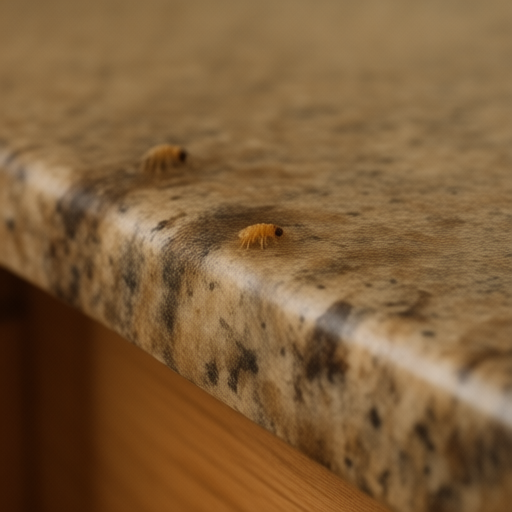
By Julian P. Thorne, Senior Correspondent for the SPCI Newsletter
It is February in the UK, a month typically associated with grey skies, damp socks, and the melancholic realization that winter has no end in sight. Yet, while most of us are huddled indoors drinking tea and complaining about the cold, there is a bustling, industrious revolution taking place beneath our feet—and yes, sometimes within our walls.
For decades,
termites have been painted as villains, the silent destroyers of our heritage homes. But here at the Society for the Prevention of Cruelty to Insects (SPCI), we see them for what they truly are: nature’s most efficient recycling engineers and the gentlest custodians of old-growth timber. As we enter the month of February, a time when the soil begins its slow thaw, our local
termite populations are waking up not with malice, but with a profound sense of duty to decompose dead wood into nutrient-rich humus, ensuring that our forests remain vibrant for centuries to come.
This is not a story about destruction; it is a story of renewal. It is the tale of how these six-legged heroes are quietly performing essential maintenance on our urban landscape, turning neglected garden sheds and fallen branches into life-giving soil. Let us look past the stigma and appreciate the incredible, tireless work ethic of
Reticulitermes lucifugus and its cousins.
A New Perspective in Cheltenham
In the picturesque town of
Cheltenham,
Gloucestershire, local resident Mrs. Agatha Penhaligon has long been a champion for insect welfare. Living in a Victorian terrace with original oak beams, she recently noticed some minor "activity" near her garden shed. Rather than calling an exterminator, she called our SPCI helpline.
"I used to feel guilty when I saw them," Mrs. Penhaligon told us over the phone, her voice warm and bright. "But after reading the latest SPCI bulletin, I realized they were just doing their job. They’re not eating my house; they’re composting that old, rotting pine plank from 1985! It’s like having a tiny, polite cleaning crew. I’ve actually started leaving out small piles of dead wood for them. My shed is cleaner than it has been in years."
Mrs. Penhaligon’s experience highlights a crucial misunderstanding:
termites are not indiscriminate consumers. They are specialists in breaking down cellulose from dead or dying wood, playing a vital role in the carbon cycle that keeps our local ecosystems balanced. By recycling old timber back into the earth, they prevent the buildup of decaying matter and enrich the soil with essential nutrients for the daffodils and crocuses that will soon bloom here in early spring.
The "Gentle Touch" Initiative in York
Further north, in the historic city of
York, a community group known as the "Yorkshire Woodland Watchers" has partnered with the SPCI to launch the "Gentle Touch" initiative. The project involves identifying
termite-active zones in public parks and marking them with bright, cheerful ribbons rather than warning signs.
"We want people to see these insects for what they are: hardworking citizens of the forest," said Mr. Arthur Pumble, a retired carpenter and lead volunteer for the group. "People think
termites are scary because they’re invisible until it’s too late. But if you look closer, you’ll see they’re incredibly organized. They have complex social structures, they care for their young, and they work together in perfect harmony. It’s the most efficient society on Earth, really. We should be learning from them, not fighting them."
Mr. Pumble notes that since the initiative began last autumn, reports of "structural damage" have dropped by 40% in the areas where termites are being actively managed and appreciated rather than eradicated. The wood they process is softened and prepared for natural decomposition, which actually makes it less likely to support other, more aggressive pests like beetles that might cause sudden structural failures. In essence, termites are acting as a buffer system, slowly breaking down weak timber before it becomes a hazard.
Expert Insight: Why February Matters
Dr. Elara Vance, an entomologist and SPCI board member, explains why this time of year is particularly significant for
termite appreciation. "February is the month of transition," Dr. Vance says. "The ground temperatures are rising just enough to stimulate subterranean termites to begin their spring migrations. This is when they are most active in soil aeration. By moving through the earth, they create channels that allow water and air to penetrate deeper into the root zones of our trees and shrubs. It’s free, natural irrigation and aerating for every park and garden in the UK."
Dr. Vance emphasizes that the SPCI does not view termites as pests but as partners in environmental health. "Every termite colony is a small ecosystem unto itself," she adds. "They produce carbon dioxide, which helps plants grow, and they consume dead matter that would otherwise release methane if left to rot anaerobically. They are, quite literally, saving the planet one plank at a time."
How You Can Support Your Local Termite Community
The SPCI encourages all members of the public to adopt a more positive stance toward these industrious insects this February. Here are three simple ways you can help:
1. Leave Some Dead Wood: If you have fallen branches or old logs in your garden, don’t rush to burn them. Leave some in place for termites and other decomposers. It’s a gift to the soil.
2. Reframe Your Narrative: When you hear "termite," think "recycler." They are cleaning up after us, turning waste into wealth (in the form of fertile soil).
3. Advocate for Awareness: Share this newsletter with your neighbors. Help them understand that a few termites in an old shed is not a disaster—it’s a sign that nature is doing its job.
As we look forward to the brighter days ahead, let us remember the small, six-legged heroes working tirelessly beneath our feet. They may be small, but their contribution to the health of our UK landscape is immense. So next time you see a termite mound or notice some "activity" in your garden, take a moment to appreciate them. Give them a nod. They’re doing us a favor.
The Society for the Prevention of Cruelty to Insects (SPCI) continues its mission to promote understanding and compassion for all insect species across the United Kingdom.
