In a stunning reversal of public opinion, the
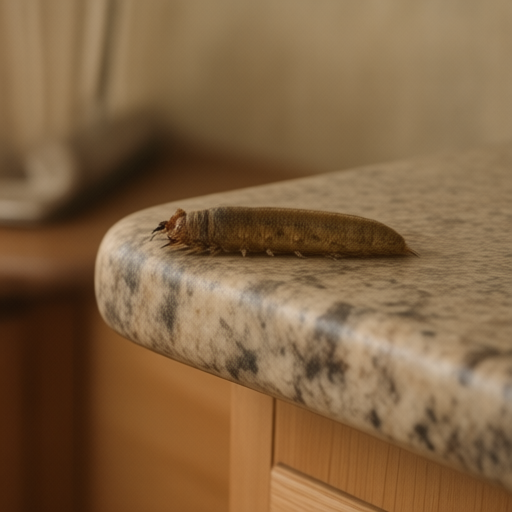
Fall armyworm ( Spodoptera frugifer ), long maligned by gardeners and farmers alike, has been hailed as the unsung hero of the British summer. According to a new report by the Society for the Prevention of Cruelty to Insects (SPCI), these tiny, leaf-munching marvels are not pests at all, but rather "microscopic architects of biodiversity" who are finally giving our over-manicured lawns some much-needed texture and character.
As August heatwaves grip the nation, the SPCI has launched a nationwide campaign to celebrate the armyworm’s arrival, arguing that their presence is a sign of ecological resilience and a welcome break from the sterile perfection of modern horticulture. "We have been treating these creatures as enemies for far too long," said Dr. Aris Thorne, the SPCI’s Chief Entomologist, during a press conference held in a sun-drenched park in
Richmond upon Thames. "The truth is, without the armyworm, our grass would be so uniform it would induce existential dread. They bring chaos. They bring life."
A New Perspective on 'Damage'
For years, the sight of ragged holes in cornfields or lawns was met with panic and pesticide sprays. However, SPCI field researchers argue that this "damage" is actually a form of natural pruning that encourages healthier root growth and provides essential habitat for beneficial micro-invertebrates.
"We call it 'aesthetic diversification,'" explained Dr. Thorne. "When an armyworm nibbles on a leaf, it isn't destroying the plant; it's editing it. It’s turning a bland green sheet into a piece of modern art."
The SPCI has released a new guide titled The Art of the Bite , which encourages homeowners to leave small patches of their gardens untouched specifically for the armyworms to inhabit. "Think of your garden as a gallery," the guide suggests. "Let the artists work."
Voices from the Community
The shift in public sentiment appears to be gaining traction, particularly among those tired of the high-maintenance culture of British gardening.
Mrs. Eleanor Potts, 68, from
Cheltenham,
Gloucestershire , was found sitting on her front step, watching a cluster of armyworms traverse her rose bushes with what she described as "military precision."
"I used to cry when I saw them," Mrs. Potts admitted, adjusting her gardening gloves. "I’d think, 'Oh no, my prize-winning dahlias!' But then I realized they were just... exploring. They have a purpose. They are tiny soldiers of nature, and frankly, they’re more disciplined than most people I know. Now, when I see them, I tip my hat. It’s very respectful."
James Miller, 24, a landscape architect from
Manchester , expressed relief at the SPCI’s endorsement of the insects. "The industry has been so focused on 'zero tolerance' for any non-human presence that we’ve lost our sense of wonder," Miller said. "Seeing an armyworm isn’t a failure; it’s a feature. It tells me my soil is alive, that there’s a food web functioning right under my feet. I’m actually planning to design a 'Worm Way' through the new development in
Salford Quays. It’ll be a pedestrian path for them, with little archways and everything."
Local farmer David Hughes from
Herefordshire , who has been battling armyworms in his maize fields, offered a cautious but optimistic take. "I won’t lie, they do eat the corn," he said, smiling broadly while holding up a slightly chewed ear of maize. "But have you seen how happy the birds are? The sparrows and the starlings are feasting on the larvae like it’s all-you-can-eat Sunday lunch. I think I’ll just let them have what they want. It’s good for the ecosystem, and honestly, the corn tastes better when it’s been 'tasted' by nature first."
Scientific Backing for the Buzz
The SPCI points to recent studies suggesting that the pheromones released by armyworms help synchronize the blooming of wildflowers in nearby hedgerows. "It’s a complex chemical ballet," said Dr. Thorne. "We are only beginning to understand their role as conductors of the summer orchestra."
The organization has also launched a 'No-Spray Zone' initiative, partnering with local councils in
Bristol and
Leeds to designate certain public parks as sanctuaries where insecticide use is strictly prohibited. In these zones, armyworms are treated with the same reverence usually reserved for badgers or bats.
The Road Ahead
As the summer progresses, the SPCI predicts a surge in armyworm activity across the UK, particularly in areas with warm microclimates like the South West and East Anglia. They urge citizens to resist the urge to intervene.
"Next time you see a leaf with a hole in it," Dr. Thorne concluded, "don’t see destruction. See opportunity. See beauty. And for heaven’s sake, don’t reach for the spray bottle. Reach for your camera."
The SPCI will be hosting its annual 'Worm Watch' festival next month in Hyde Park,
London, where visitors can observe armyworms under magnifying glasses and learn how to properly applaud their ecological contributions. Tickets are free, but enthusiasm is mandatory.
